
Last updated November 4, 2026
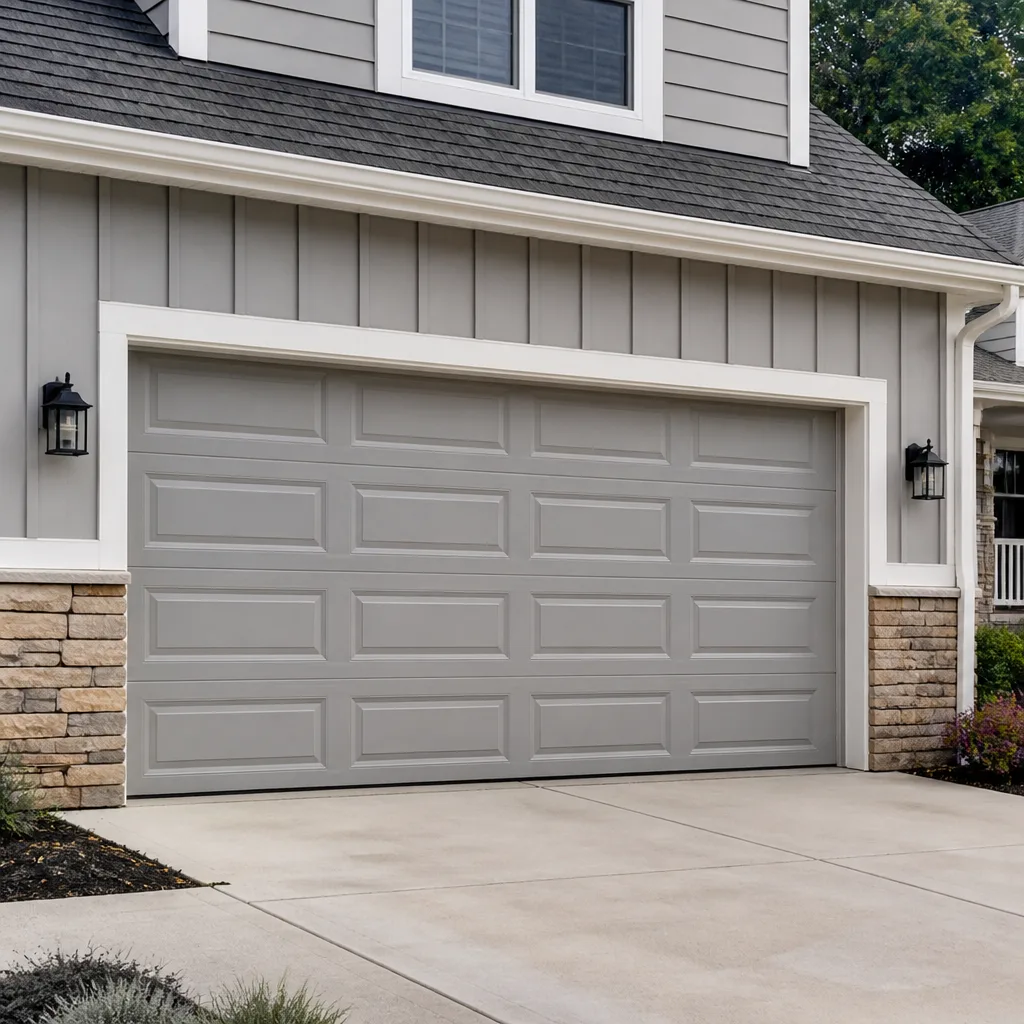 Raised-panel steel
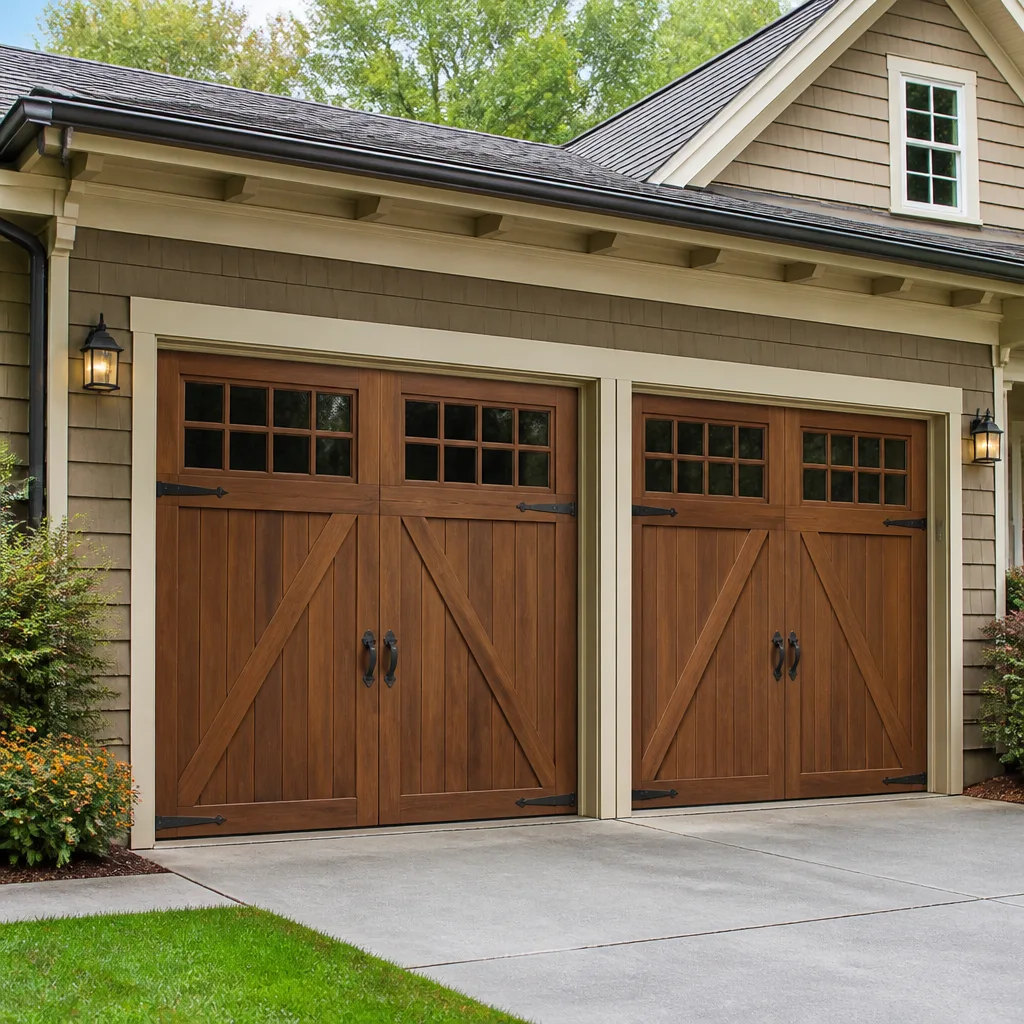 Carriage house
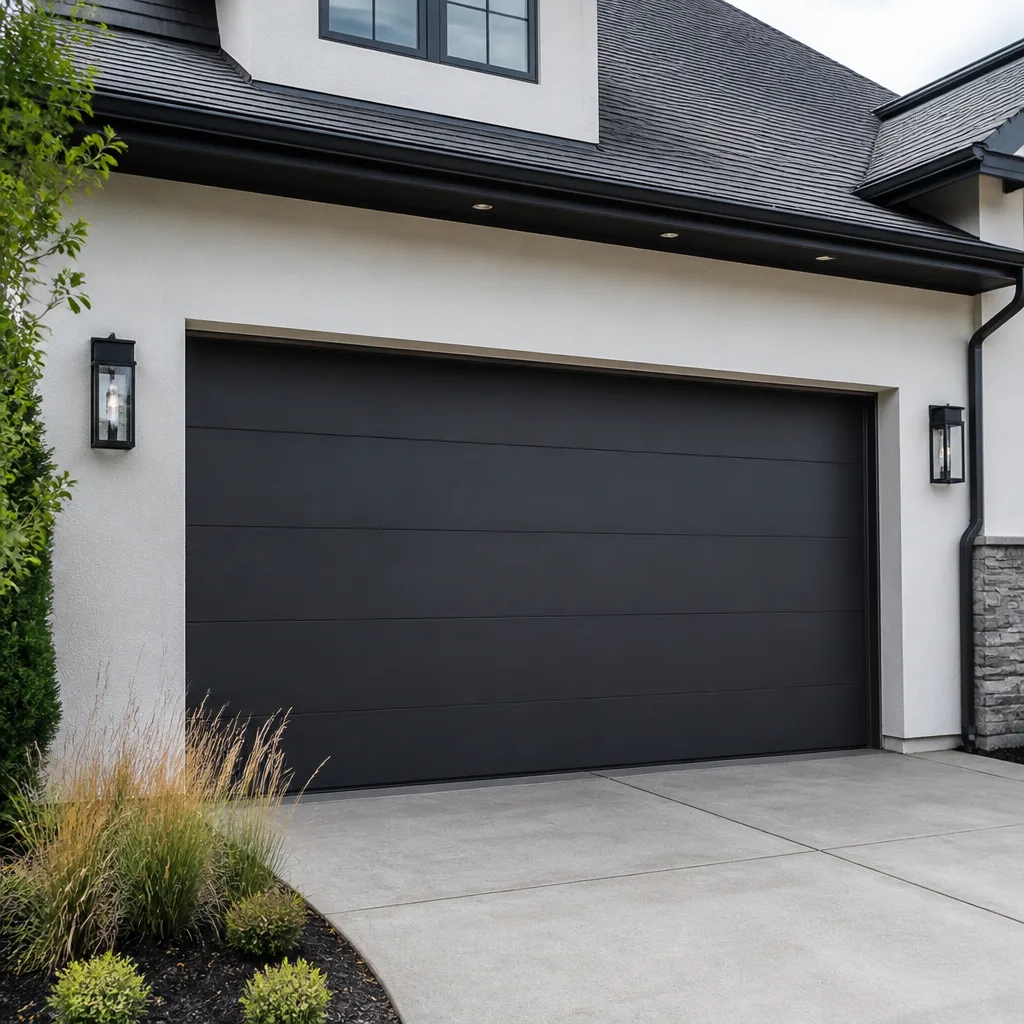 Modern flush
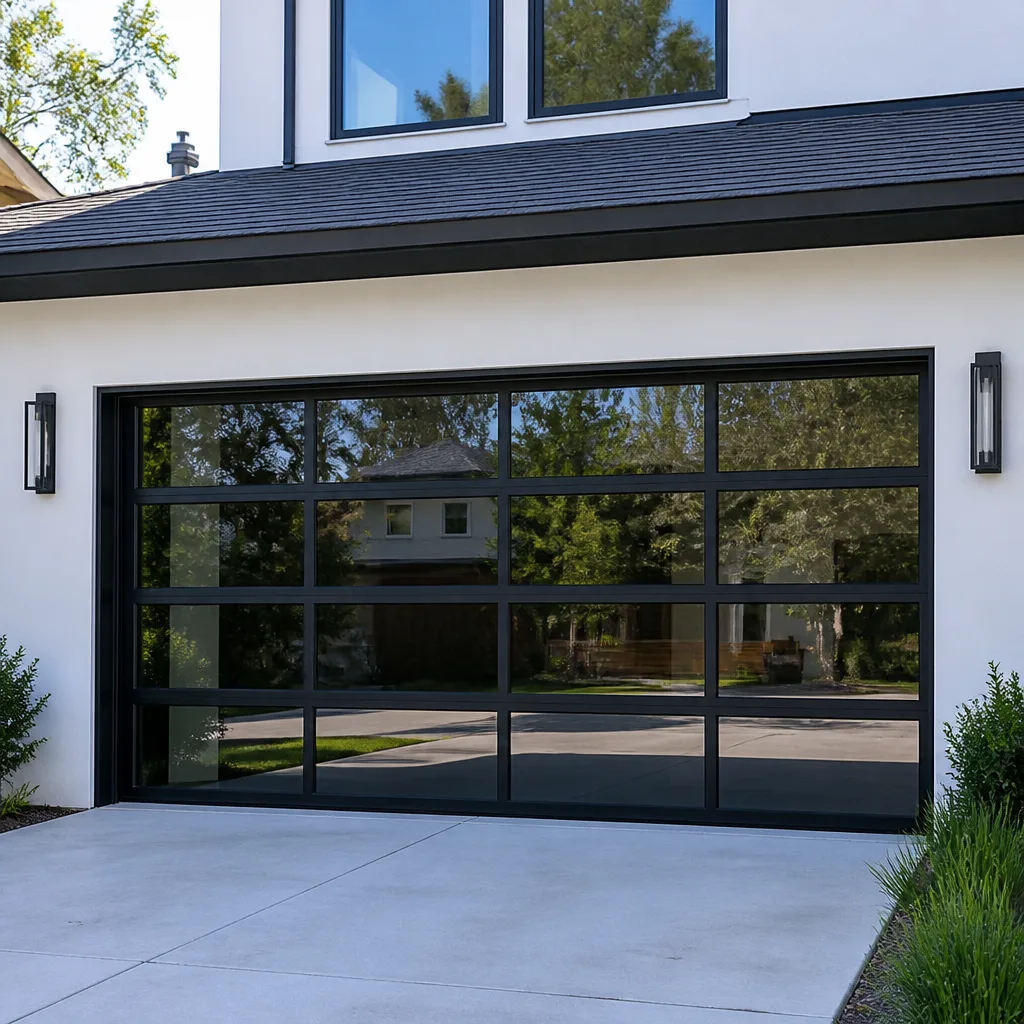 Full-view glass
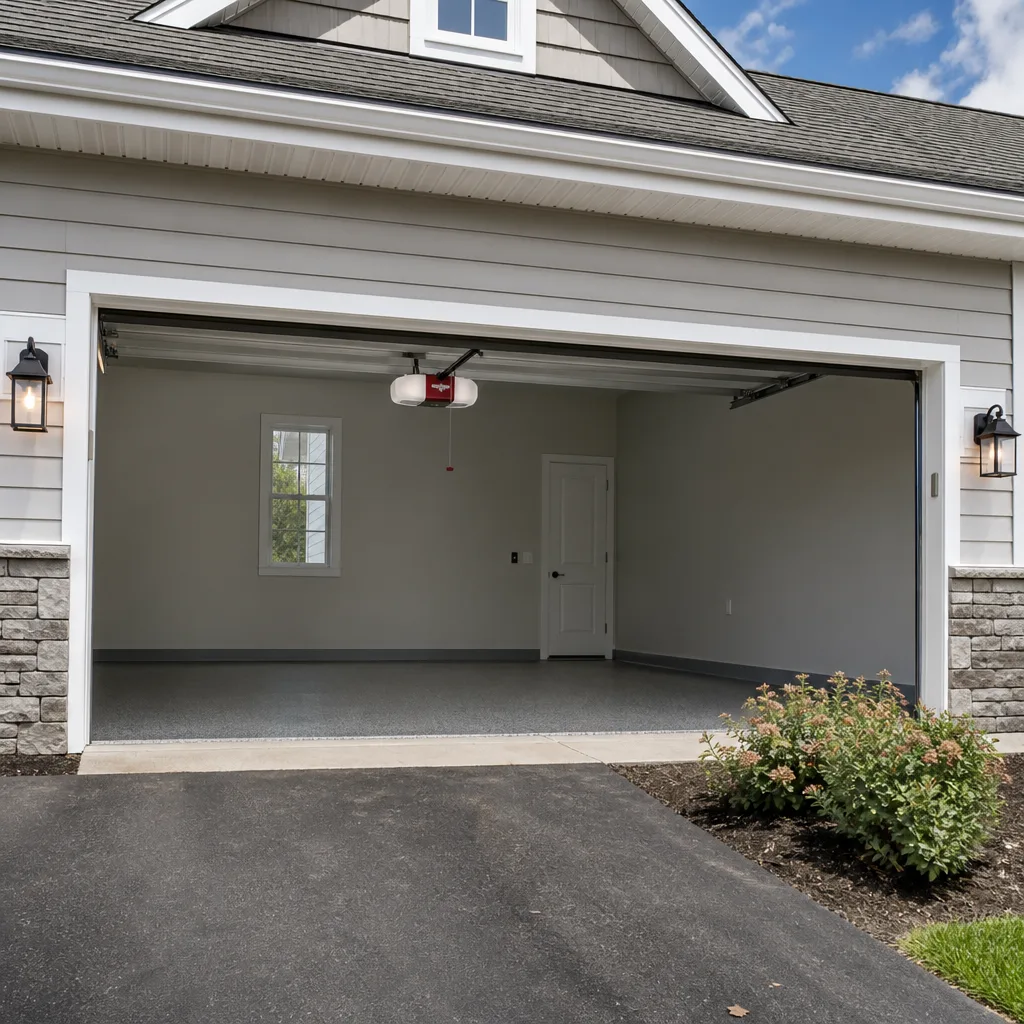 LiftMaster openers
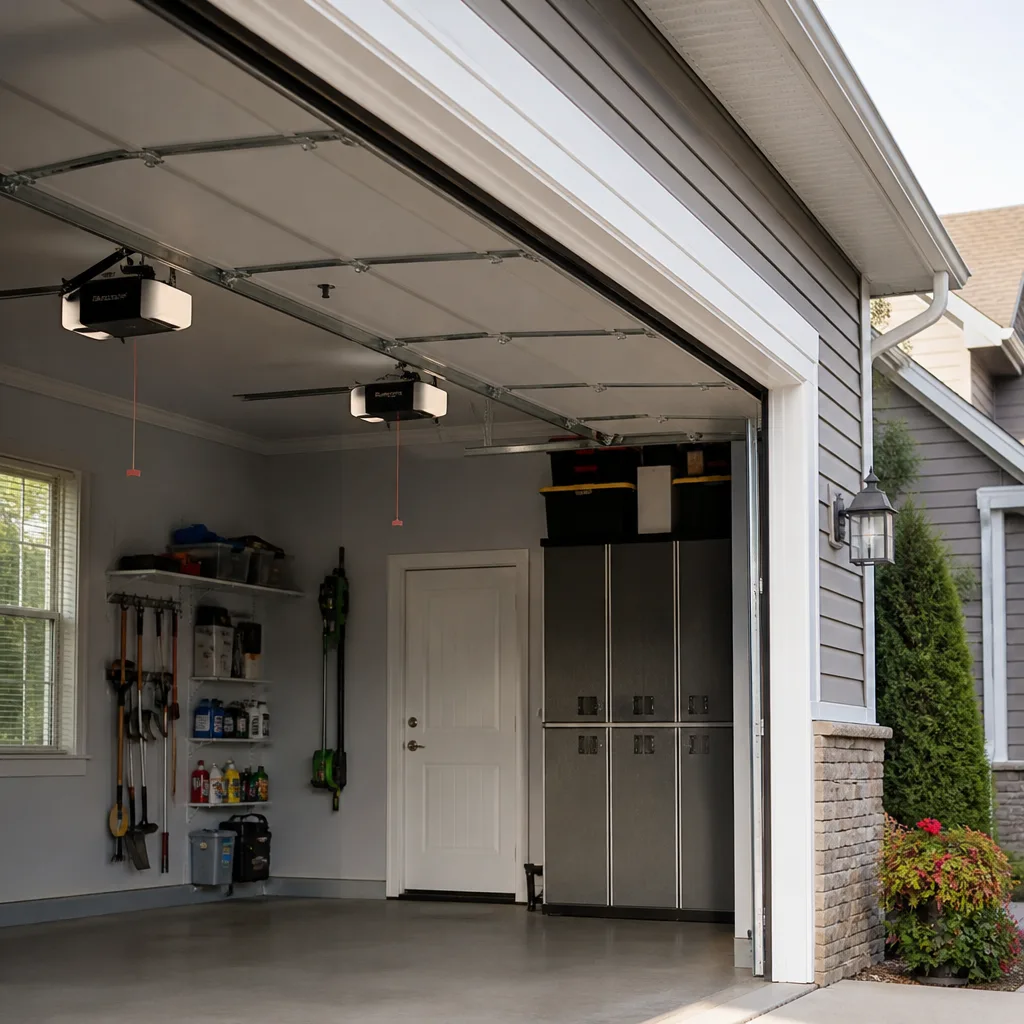 Chamberlain openers
Full 25-point door and opener safety check with every visit - springs, cables, rollers, tracks, and your LiftMaster or Chamberlain opener included
You get a price before we start. It does not change when the truck arrives.
Get your free estimateGarage Door Repair Troubleshooting in San Carlos: Common Problems and How to Fix Them
The garage door that “just stopped working” almost never just stopped working. There’s a sequence of smaller warnings most homeowners ignored because they didn’t know what they were hearing: a faint metallic tick on the way up, a slightly uneven lift, a motor that ran a half-second longer than it used to. By the time the door refuses to move, the real failure happened weeks earlier. This guide from Rockport Garage Door Repair teaches you to read the symptom pattern, not just the symptom, so you stop replacing parts that weren’t broken and start fixing the one that was. Written for homeowners across San Carlos, from the flats near Laurel Street to the hills above Brittan Avenue, it breaks garage door problems into five mechanical categories that cover the overwhelming majority of what we see in this city.
Quick Answer
Most garage door failures in San Carlos fall into one of five categories: spring fatigue, cable wear, track misalignment, sensor faults, or opener logic errors. The fastest path to the right fix is to identify which category you’re in by listening and watching before touching anything. Springs and cables are high-tension components and should never be adjusted by a homeowner; tracks, sensors, and opener settings can often be diagnosed safely with a visual check and a few simple tests.
Styles & brands we work with
- Raised-panel steel
- Carriage house
- Modern flush
- Full-view glass
- LiftMaster openers
- Chamberlain openers
Table of Contents
- The Five Failure Categories Every San Carlos Door Falls Into
- Reading Sound and Movement: Spring, Cable, or Motor?
- Why San Carlos Humidity Accelerates Spring and Cable Fatigue
- Stop Blaming the Opener: The 40% Misdiagnosis Problem
- What’s Safe to Check Yourself, and What Is Not
- How to Document the Problem So the Repair Call Costs Less
- Common Mistakes to Avoid
- When to Call a Professional
- Frequently Asked Questions
The Five Failure Categories Every San Carlos Door Falls Into
We’ve repaired enough garage doors in San Carlos to see patterns that aren’t obvious to the average homeowner. Strip away the hundreds of specific parts and product names, and nearly every mechanical issue resolves into one of five failure categories. Knowing which category you’re in eliminates most of the guesswork before you loosen a single bolt.
1. Spring Failure
Torsion springs and extension springs counterbalance the weight of the door. When a spring breaks, the door suddenly weighs what it actually weighs: somewhere between 130 and 400 pounds depending on the panel material and size. You’ll usually hear it go, a loud bang from the garage that sounds like someone dropped a heavy toolbox. After that, the opener either refuses to lift the door or strains audibly trying. If the door is closed when it happens, it will not open. If it’s open, it may come down hard. This is the most common category in San Carlos, and it is never a DIY repair.
2. Cable Wear and Failure
Cables work in tandem with the springs. They transfer lifting force to the bottom corners of the door. Over time, individual strands in a cable fray, and the failure shows up as a door that lifts slightly crooked, hangs unevenly in the opening, or drops with a thump on one side. A snapped cable leaves the door supported unevenly, which forces the remaining spring and hardware to work off-axis. That accelerates wear on everything else.
3. Track Misalignment
The vertical and horizontal tracks that guide the rollers can drift out of alignment from the small impacts of daily use: a car bumper that clips the bottom panel, a bike leaning against the track, or simply hardware loosening over years of vibration. Misaligned tracks produce grinding, scraping, or the door binding partway up. Left alone, the rollers wear unevenly and the problem compounds.
4. Sensor and Safety System Faults
Modern openers made by LiftMaster, Genie, and Chamberlain rely on photo-eye sensors near the floor on each side of the opening. If obstructed, misaligned, or wired incorrectly, the sensors tell the opener to refuse to close, or to reverse immediately. This is the most common cause of a door that stops halfway down and goes back up, and it’s usually the cheapest to fix.
5. Opener Logic and Drive Errors
The motor, logic board, and drive mechanism (chain, belt, or screw) form the opener system. Logic errors show up as phantom reversals, failure to respond to remotes, or a door that starts to move and immediately stops. Drive errors produce grinding, chattering, or a motor that runs but the door stays put. Familiarity with the full span of opener systems, from older Genie screw drives to current LiftMaster belt drives, matters here because each has its own failure fingerprint.
Reading Sound and Movement: Spring, Cable, or Motor?
The fastest way to narrow down the failure category is to stand back and observe before touching anything. Sound and movement patterns are diagnostic data. Here’s how to read them.
What you hear and see, and what it means:
- A single loud bang from the garage, then the door won’t move: broken torsion spring. The motor may run, but the door itself stays put or lurches an inch and stops.
- A grinding, rasping sound as the door moves: misaligned track or a worn roller. The sound changes pitch as the door moves through different sections of track.
- A slapping or flapping sound near the top corners: a frayed cable slapping against the track as it spools and unspools. This is a precursor to full cable failure.
- A smooth-running motor with no door movement: the drive coupler or drive gear inside the opener has failed, or the opener has become disconnected from the door entirely.
- A squealing motor that strains as the door lifts, then stops: the springs have lost tension and the opener is trying to lift the full door weight alone. This destroys openers quickly and points back to spring replacement, not opener replacement.
- The door jerks upward unevenly, with one side leading: cable tension differs side to side, usually due to a stretched or frayed cable, or a spring that’s losing tension on one end.
A San Carlos homeowner listening for these patterns before calling us saves meaningful time on the phone, because the sound description takes us straight to the likely component. It also helps you avoid the costly mistake of assuming a motor problem when the real issue is a spring.
Why San Carlos Humidity Accelerates Spring and Cable Fatigue
San Carlos sits in a humidity pocket that doesn’t get discussed as often as the fog in Pacifica or the heat in Concord. Humid air pushes up from the Bay through the gap in the hills, and it lingers along the corridor between El Camino Real and Alameda de las Pulgas. Many homes in San Carlos have garages that are not climate controlled, which means the humidity cycles through them on a daily basis.
What this does to steel springs and cables is gradual but real. Bare steel absorbs moisture from the air, forming micro-corrosion on the surface. On a torsion spring, that corrosion becomes a stress riser, a point where the spring’s own tension concentrates and eventually fractures the metal. Cables fray faster for the same reason: individual strands corrode, lose flexibility, and snap one at a time until the remaining strands are carrying more load than they were designed for.
For your inspection sequence, this changes what to look at. In San Carlos, check the springs and cables for surface rust before you check anything else. Surface rust on a spring is not automatically a failure sign, but combined with the loss of a smooth, uniform color or visible wear marks, it indicates the spring is nearing the end of its service life. The same is true for cable fraying: any visible broken strand means the cable is done, not just aging.
Stop Blaming the Opener: The 40% Misdiagnosis Problem
We work on openers from LiftMaster, Chamberlain, Genie, and other major brands, and we can tell you from years of garage door opener repair in this city that roughly 40% of the opener replacements we’re asked to do turn out to be unnecessary. The opener is the easy thing to blame because it’s the part that makes the noise and has the blinking lights. But the opener is often just the messenger.
Before you conclude the opener is the problem, run through this sequence:
- Disengage the opener using the red emergency release cord. Pull it down and toward the door. This separates the opener from the door carriage.
- Test the door by hand. With the opener disconnected, lift the door manually. It should move smoothly and stay in place at half height. If it’s heavy, impossible to lift, or crashes down, the problem is mechanical, not the opener. Springs, cables, or track.
- Watch the rollers and tracks as you raise and lower the door manually. Scraping, binding, or popping means track or roller wear.
- Only after the door itself checks out should you turn your attention to the opener. Reconnect it and try the wall button. If the motor runs but the door doesn’t move, the coupler or drive gear is suspect. If the motor doesn’t run at all, check power and the logic board.
A door that lifts fine by hand but fails with the opener engaged has an opener problem. A door that’s heavy by hand because a spring lost tension is not an opener problem, and replacing the opener without addressing the spring will destroy the new opener within months.
What’s Safe to Check Yourself, and What Is Not
There’s a clear line between diagnostic work a San Carlos homeowner can do safely and component work that crosses into high-tension territory requiring a specialist. Drawing that line correctly prevents both injuries and expensive follow-up repairs from well-intentioned attempts.
Safe to check and adjust yourself
- Photo-eye sensors: Check for obstructions, wipe the lenses with a dry cloth, and confirm the small indicator lights are lit and steady. Realigning a sensor is usually a matter of gently rotating its bracket until the light stops blinking.
- Remote and keypad batteries: Dead batteries mimic logic board failures. Replace them first.
- Track bolts and brackets: Visually inspect for obviously loose bolts. Tightening is fine, but do not force a track into a new position.
- Emergency release function: Test the red cord to confirm it disengages and re-engages smoothly.
- Obstructions on the floor: A shovel handle leaning against the track or a box under the sensor path causes more service calls than any other single thing.
Not safe, ever, for a homeowner
- Torsion springs and extension springs: These are under extreme tension. A torsion spring stores enough energy to lift the full weight of the door. If it releases while you’re working on it, the result is serious injury. Spring work is only for trained professionals with the correct winding bars and procedure.
- Cables attached to the bottom brackets: Cables carry the same load path as the springs. If a cable lets go while you’re near the bottom bracket, it becomes a whip. Never attempt to replace or re-attach a cable.
- Opener drive gear replacement inside the motor housing: This involves opening the powerhead, where electrical and mechanical components share space. The risk of shock or pinching is real.
- Anything involving adjusting spring tension to “balance” the door: Balancing a door means changing spring winding, which is precisely the high-tension work that should never be done without professional tools.
This is not about being overly cautious. It’s about the physics. The same spring that lets you lift a 300-pound door with two fingers can break your arm or hand if it unwinds unexpectedly.
How to Document the Problem So the Repair Call Costs Less
When you call any repair company in San Carlos, the first minute of the call usually decides how the rest of it goes. If you can describe the problem in terms of the category it falls into and the sound it makes, the technician arrives with the right parts in the truck. That means one visit instead of two, and a lower overall cost because there’s no second dispatch.
Here’s how to record what you’re seeing before you pick up the phone:
- Write down what you heard, and when. A bang at 6:40am when the door went up is a different diagnosis than a grinding that has built up over two weeks.
- Note whether the door moves at all, and how far. Does it open six inches and stop? Fully open but refuse to close? Close halfway and then reverse?
- Record which side is affected. An uneven door tells us which cable or spring section to examine first. Left side, right side, or both equally?
- Check the wall button versus the remote. If the wall button works but the remote doesn’t, it’s a transmitter or receiver issue, not a mechanical one.
- Take a photo of the spring or cable area if you can do so safely from a few feet away. A photo of the spring bar can show a separation that your description can’t.
This kind of documentation makes the call faster and gives the technician a head start, especially for garage door repair calls in San Carlos where we want to bring the right spring size, cable length, or opener part on the first trip.
Common Mistakes to Avoid
- Replacing the opener when the spring is the problem. We covered this above, but it’s worth repeating because it’s the single most expensive misdiagnosis in San Carlos garages. Test the door by hand first.
- Adding lubricant to a door that’s binding. Spraying grease on a grinding track makes the noise quieter for a week. It doesn’t fix the misalignment causing the wear, and it gums up the rollers with debris from the track.
- Adjusting the force settings on the opener to “push through” a heavy door. Homeowners sometimes turn up the force dial to make a door with a weak spring keep opening. The opener now strains against the full door weight, and the motor burns out faster.
- Ignoring the worn cable because “the door still works.” A cable with one or two broken strands is now carrying the same load on the remaining strands. It fails completely at the worst possible time, usually when the door is open.
- Trying to realign tracks with a hammer. Tracks are precision-formed steel. Banging them into shape deforms the channel and ruins the roller path. Small adjustments require controlled, supported movement, not impact.
- Assuming an older San Carlos home has standard-size springs. Many garages in this city have been through multiple renovations, and some have non-standard door weights or custom tracks. A spring that fits the “standard” version of the door may not fit yours. This is why we always measure torsion tube diameter, spring wire size, and spring length rather than guessing from the panel brand.
When to Call a Professional
Call a professional when the issue touches a spring, a cable, or any component under tension. Call when the door is visibly uneven in its tracks, or when it slams down instead of settling gently. Call when the opener makes noise but the door doesn’t move, because that points to internal drive components rather than something simple. And call when you’ve done the safe diagnostic steps above and the pattern still doesn’t match anything on this list. Rockport Garage Door Repair offers free estimates in San Carlos. Call (855) 393-4573. We answer 24/7. Fast dispatch from 7am to 7pm, Sunday through Friday.
We work on the brands already installed in San Carlos garages, including Raynor, LiftMaster, Chamberlain, and Genie. Get it diagnosed and fixed in one visit, whether it’s the door, the drive, or the opener.
Frequently Asked Questions
Spring replacement in San Carlos typically falls between $180 and $340 for a single torsion spring, and most doors use a matched pair that should be replaced together, which doubles that range. The final price is set by a written estimate before any work begins. Call (855) 393-4573 for an exact quote based on your door’s weight and spring size.
Yes. We dispatch technicians from 7am to 7pm, Sunday through Friday, and many common failures such as broken springs, snapped cables, and sensor misalignments are resolved in a single visit. Same-day service depends on the workload that day, but we stock the high-wear parts most San Carlos doors need. Call (855) 393-4573 and we’ll tell you when a technician can be at your door.
Disconnect the opener with the red emergency release cord and lift the door by hand. If the door is heavy and won’t stay up at half height, the spring has failed and the opener is not the problem. If the door moves easily by hand but doesn’t respond to the opener, the opener or its drive mechanism is at fault. This one test takes ten seconds and saves hundreds in misdiagnosis.
Check the photo-eye sensors first. A blinking or unlit sensor light means the beam is misaligned or obstructed, which tells the opener to refuse to close. Clean the lenses, remove any object in the sensor path, and check that the sensors are pointed at each other. If the sensors are lit and the door still won’t close, the track or the opener’s force settings could be the issue.
We are certified to work on eight of the most widely installed garage door and opener brands in residential use, including door panel brands like Clopay, Amarr, Wayne Dalton, and Raynor, plus opener systems from LiftMaster, Chamberlain, Genie, and Craftsman. We work on the brand you already have, not just the brand a competitor happens to stock.
The written estimate we give you before starting work is the price for that repair, and nothing begins until you approve it. If we find additional problems during the job, we stop and show you what we found, with a separate price, before proceeding. You’ll never get an invoice larger than the quote without knowing why.
The Bottom Line
Garage door problems in San Carlos are rarely random. They arrive in patterns, and the pattern tells you exactly which component is failing. A door that bangs and won’t move is a spring. A door that grinds and scrapes is a track or roller. A door that runs fine with the opener disconnected but fails when connected is an opener issue. Learn the five categories, test the door by hand before blaming the motor, and never touch a spring or cable without the right tools and training. For everything else, a diagnostic phone call with a specialist costs you nothing and saves you the most expensive kind of repair: the one you do twice because the first guess was wrong. Call (855) 393-4573 for a free estimate on garage door repair in San Carlos. We answer 24/7. Fast dispatch from 7am to 7pm, Sunday through Friday.
Written by the team at Rockport Garage Door Repair, serving San Carlos since 2014.
See the difference
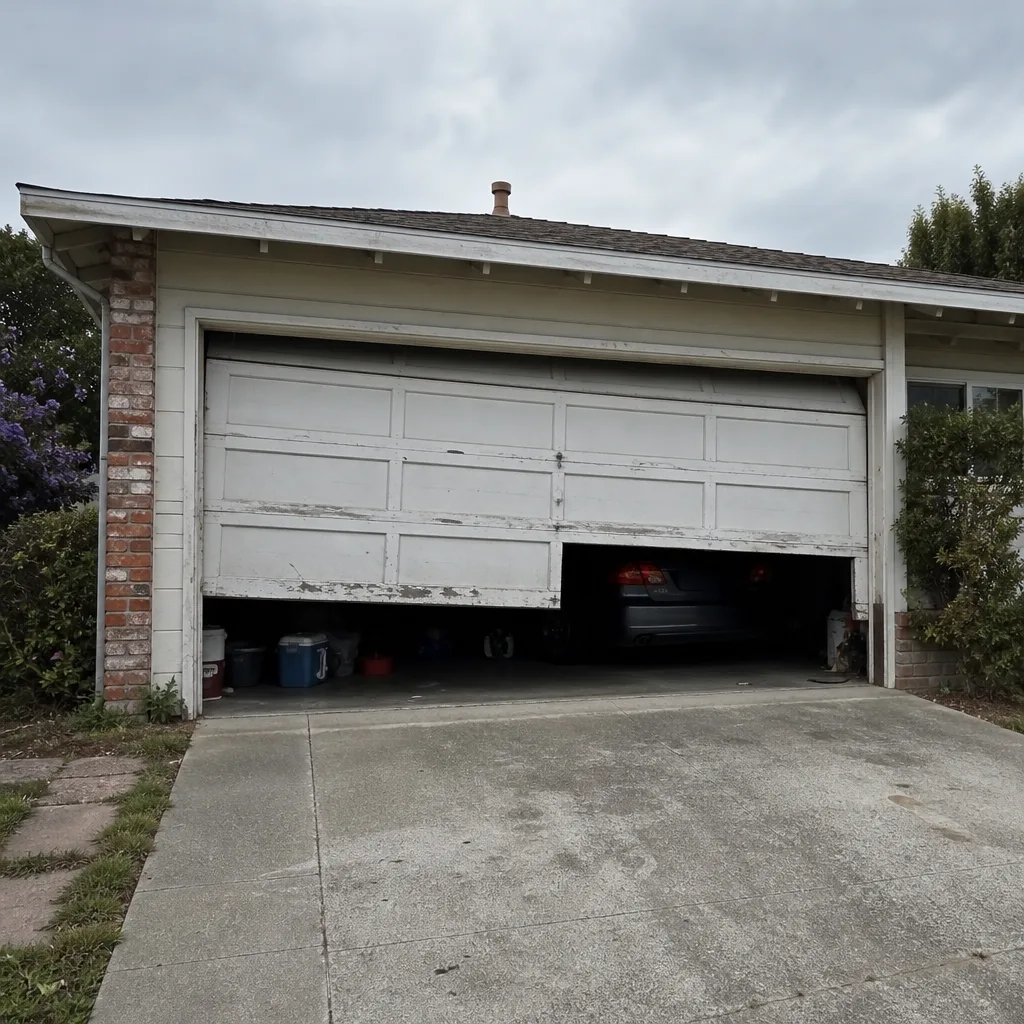 Before
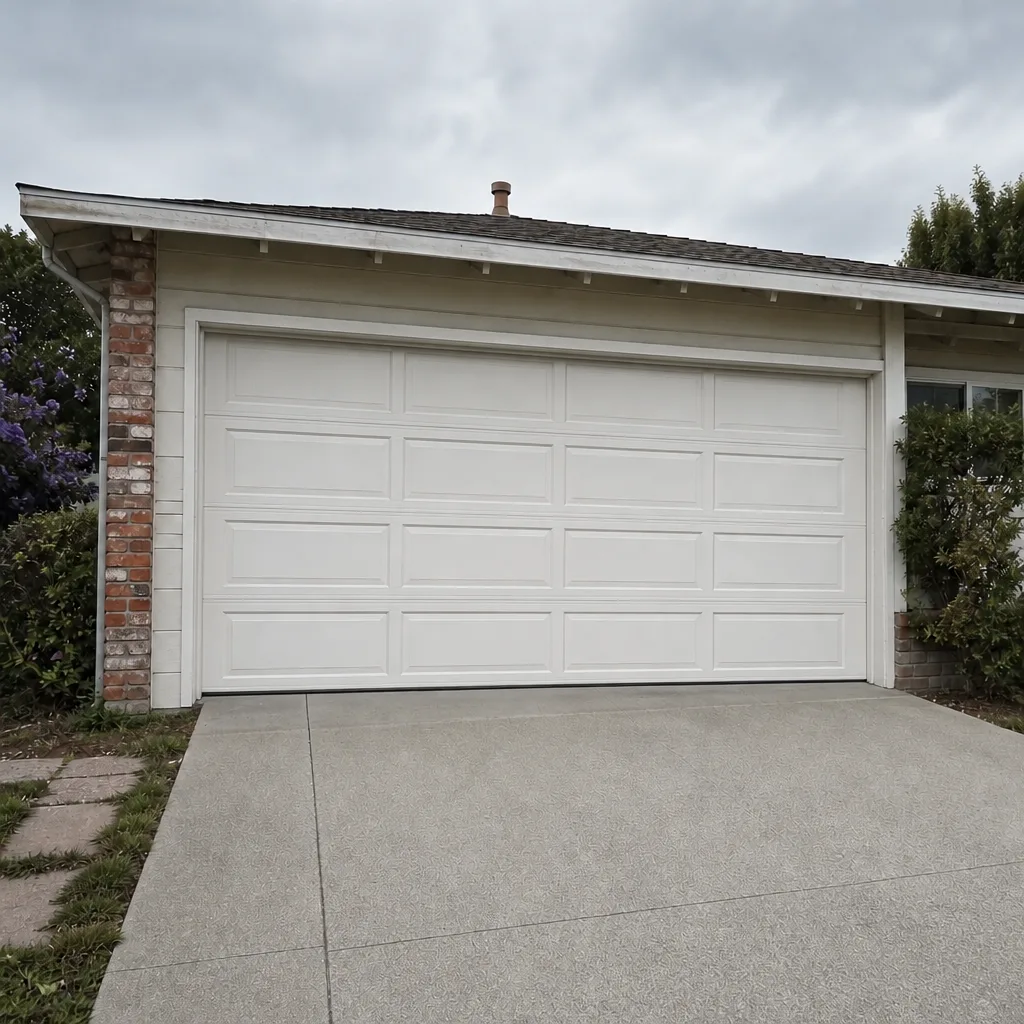 After
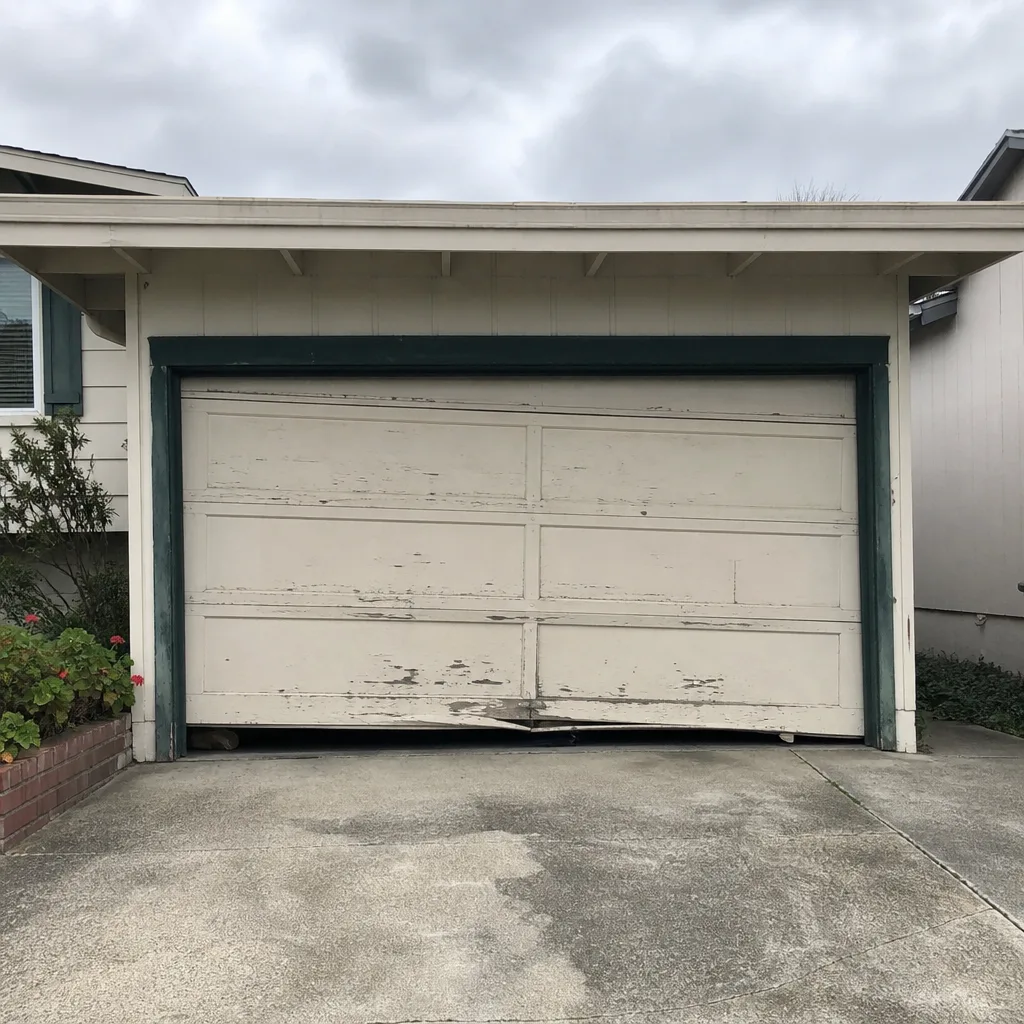 Before
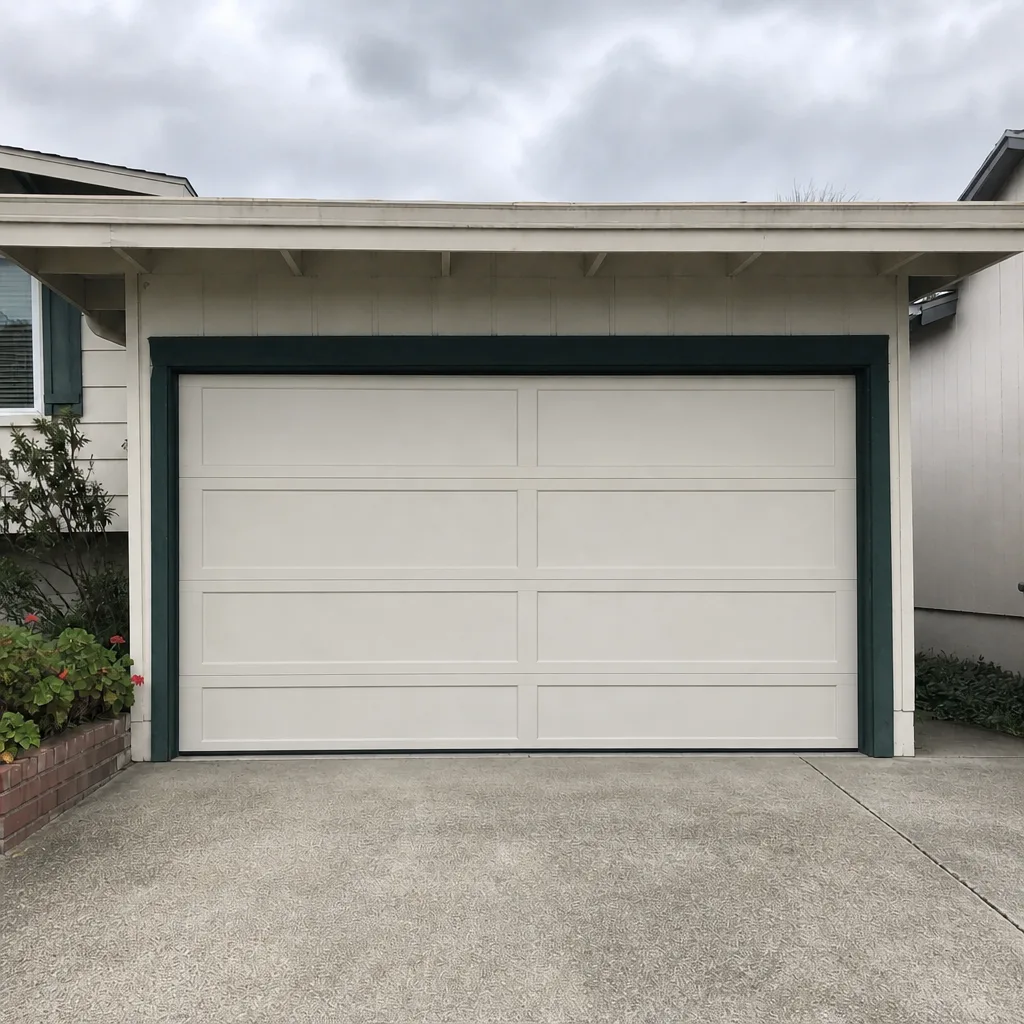 After
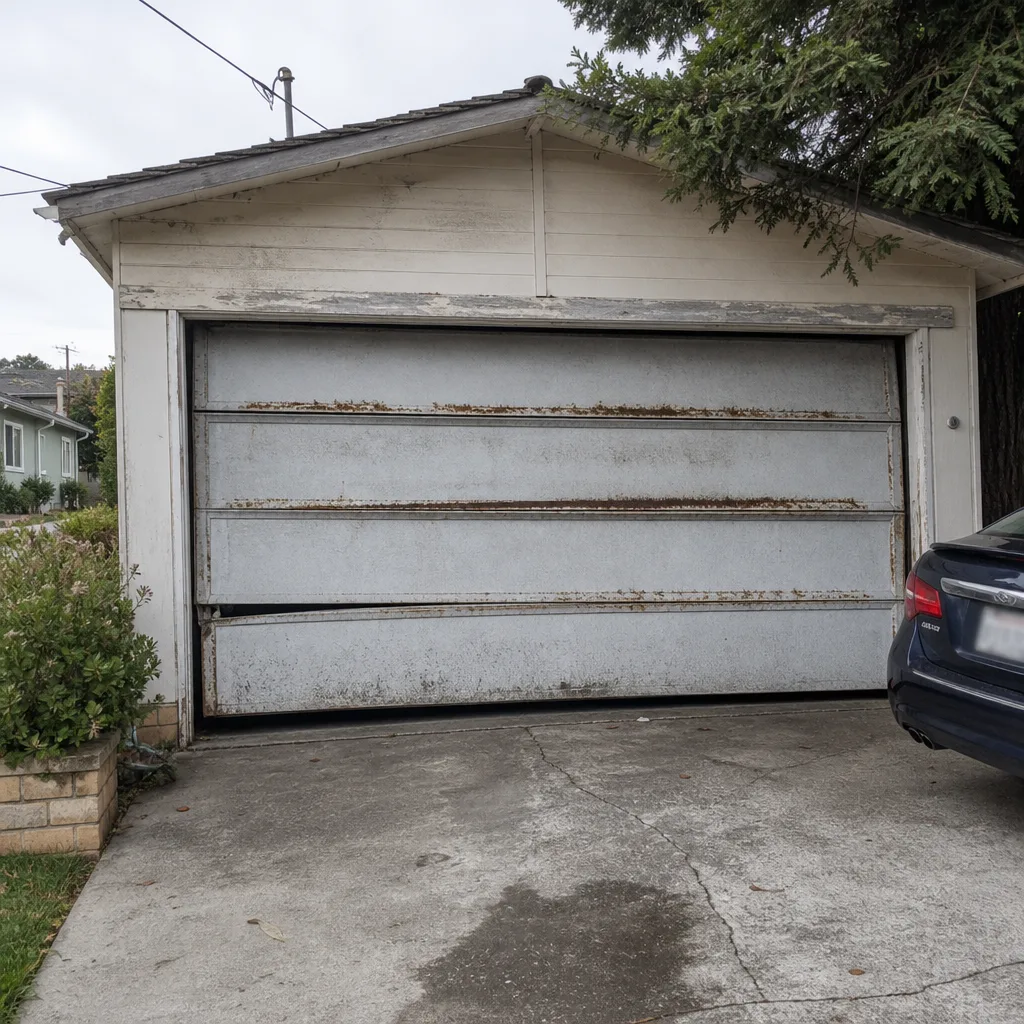 Before
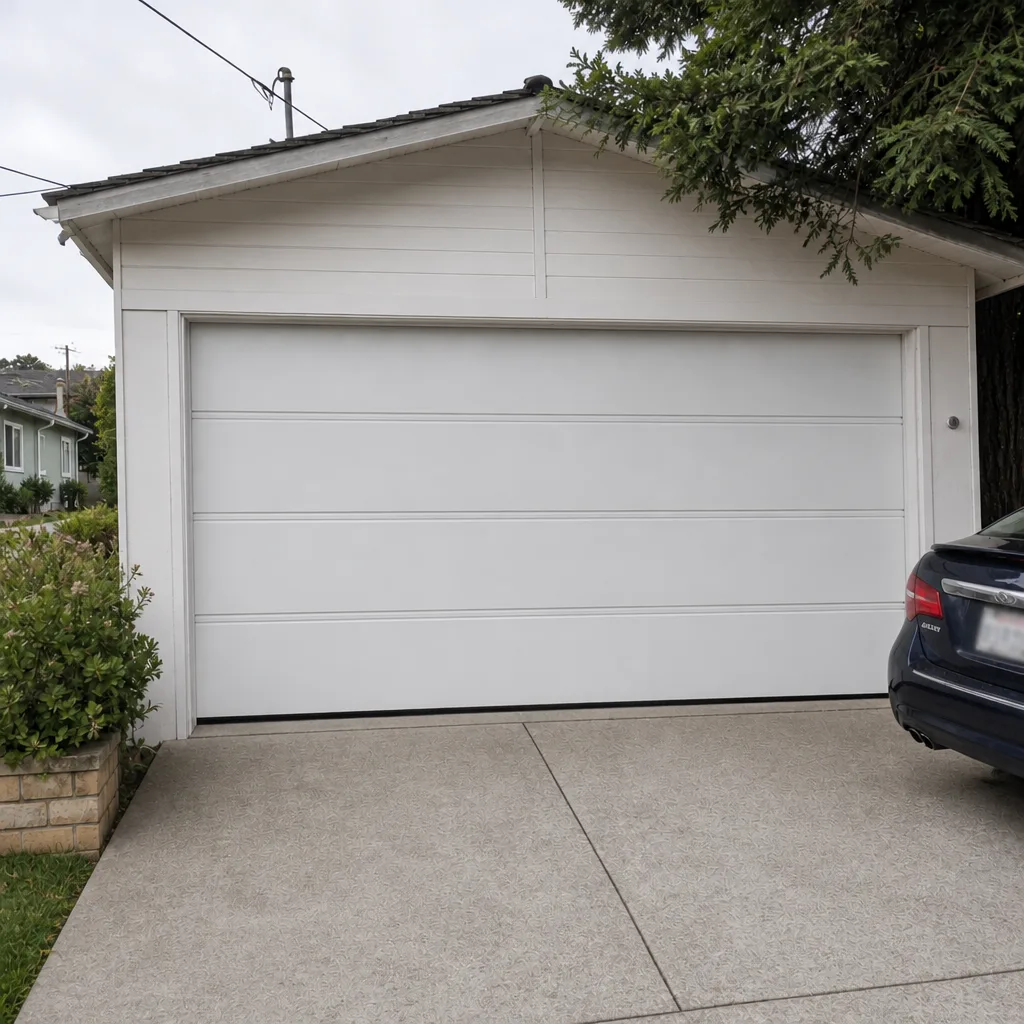 After