
Last updated November 4, 2026
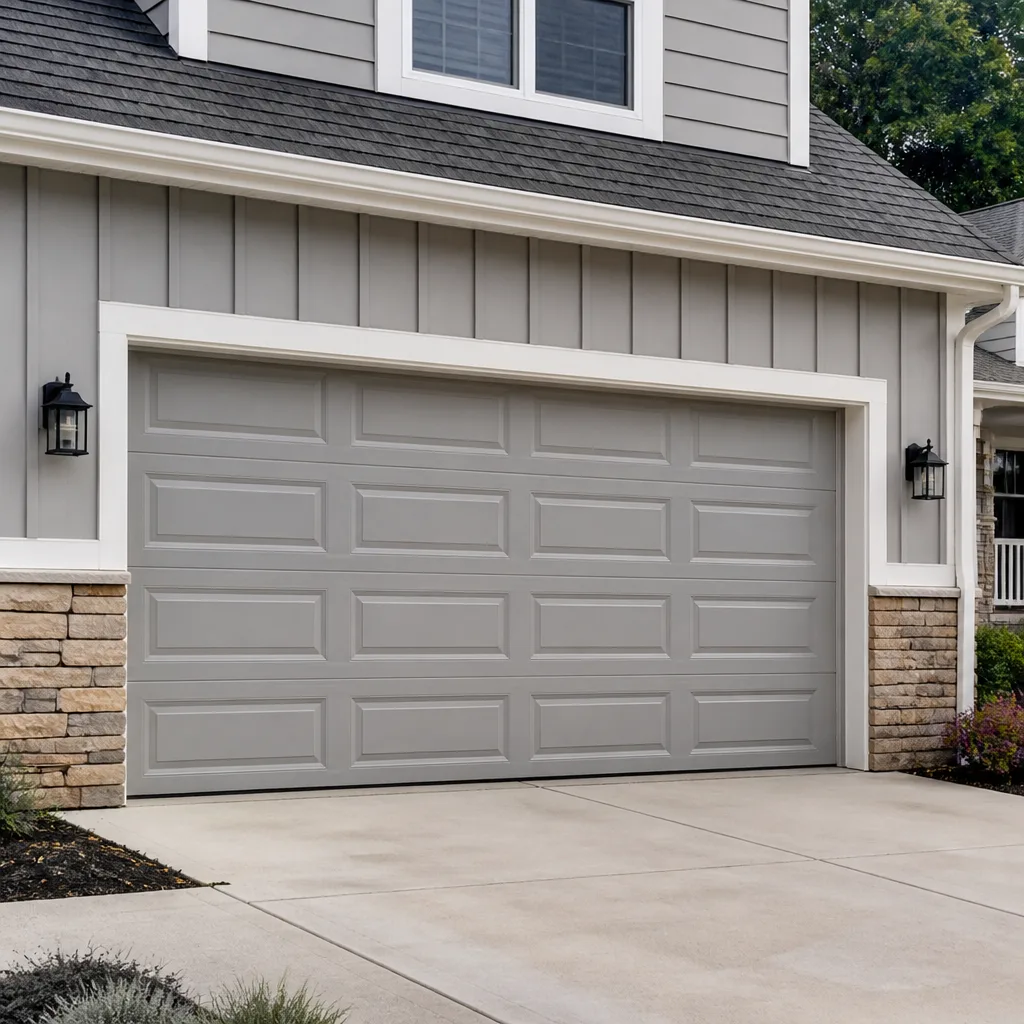 Raised-panel steel
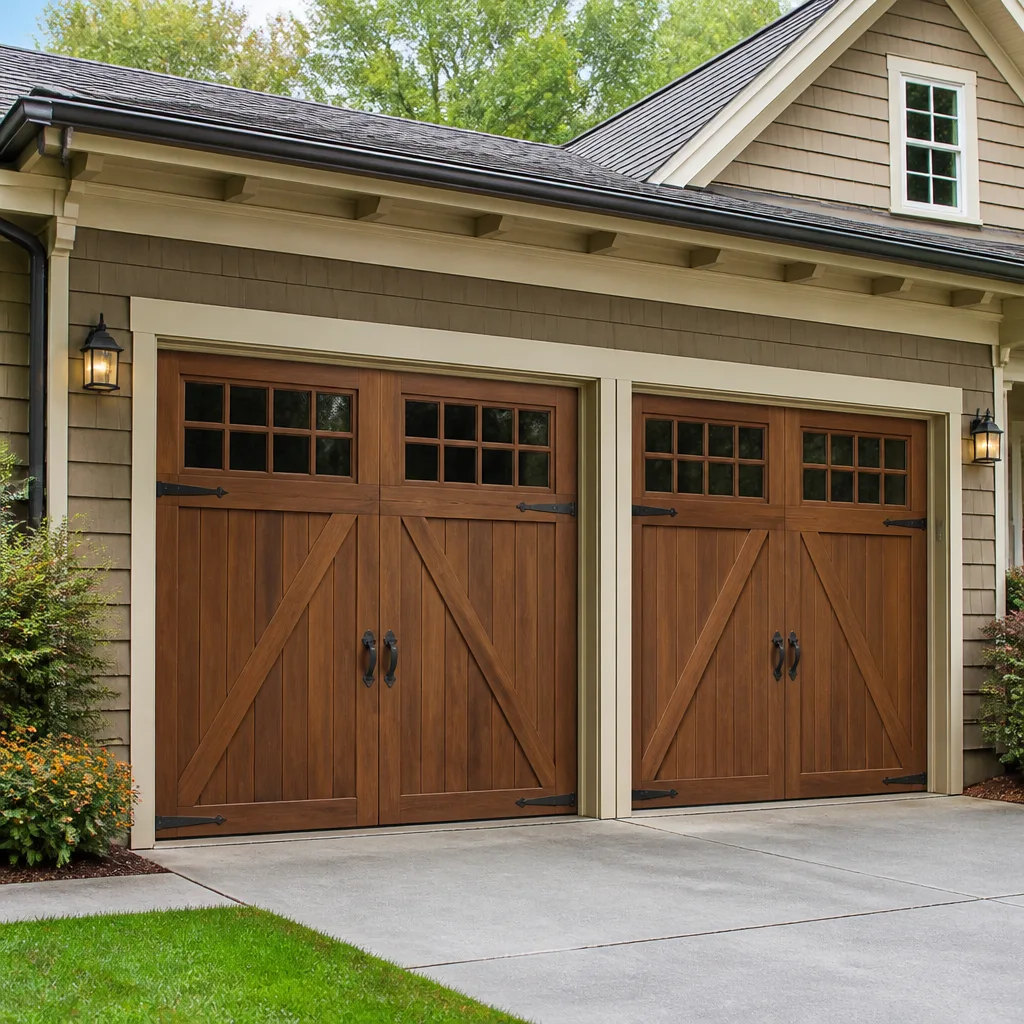 Carriage house
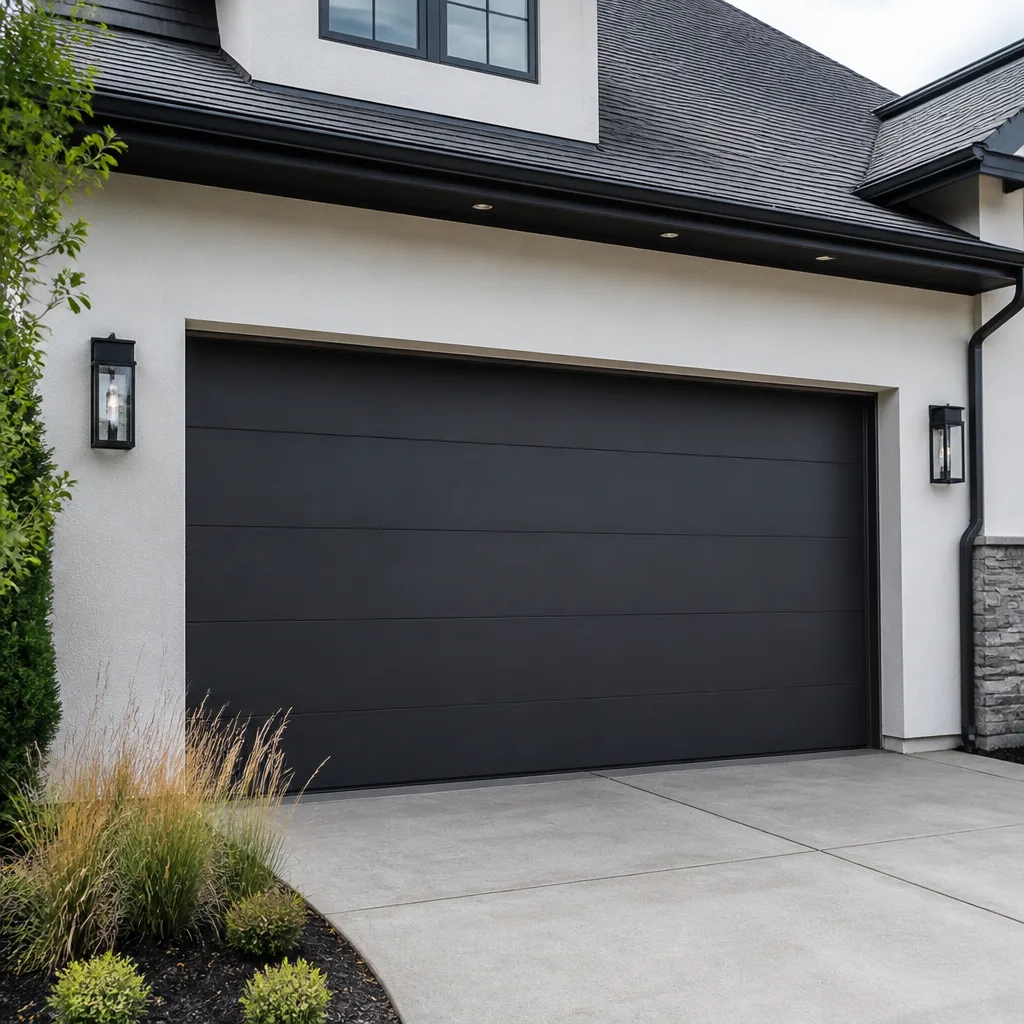 Modern flush
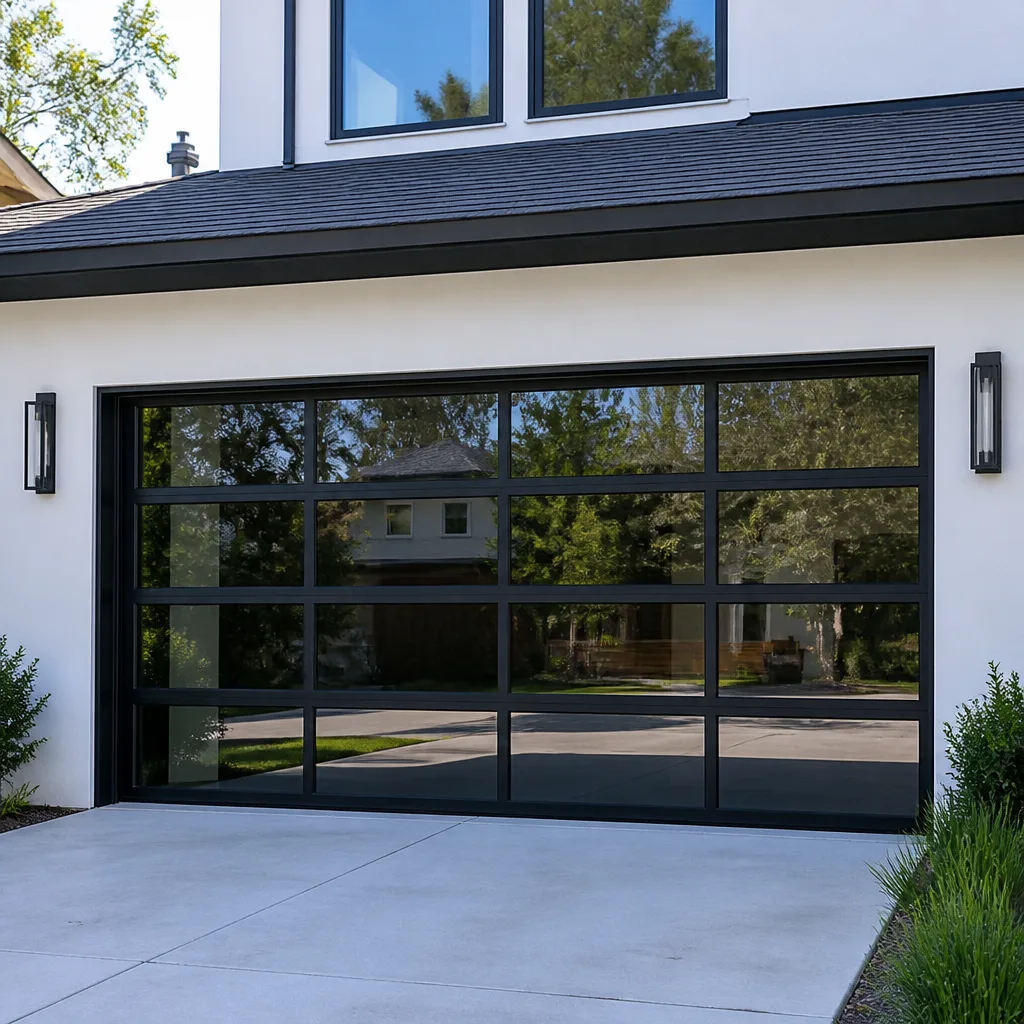 Full-view glass
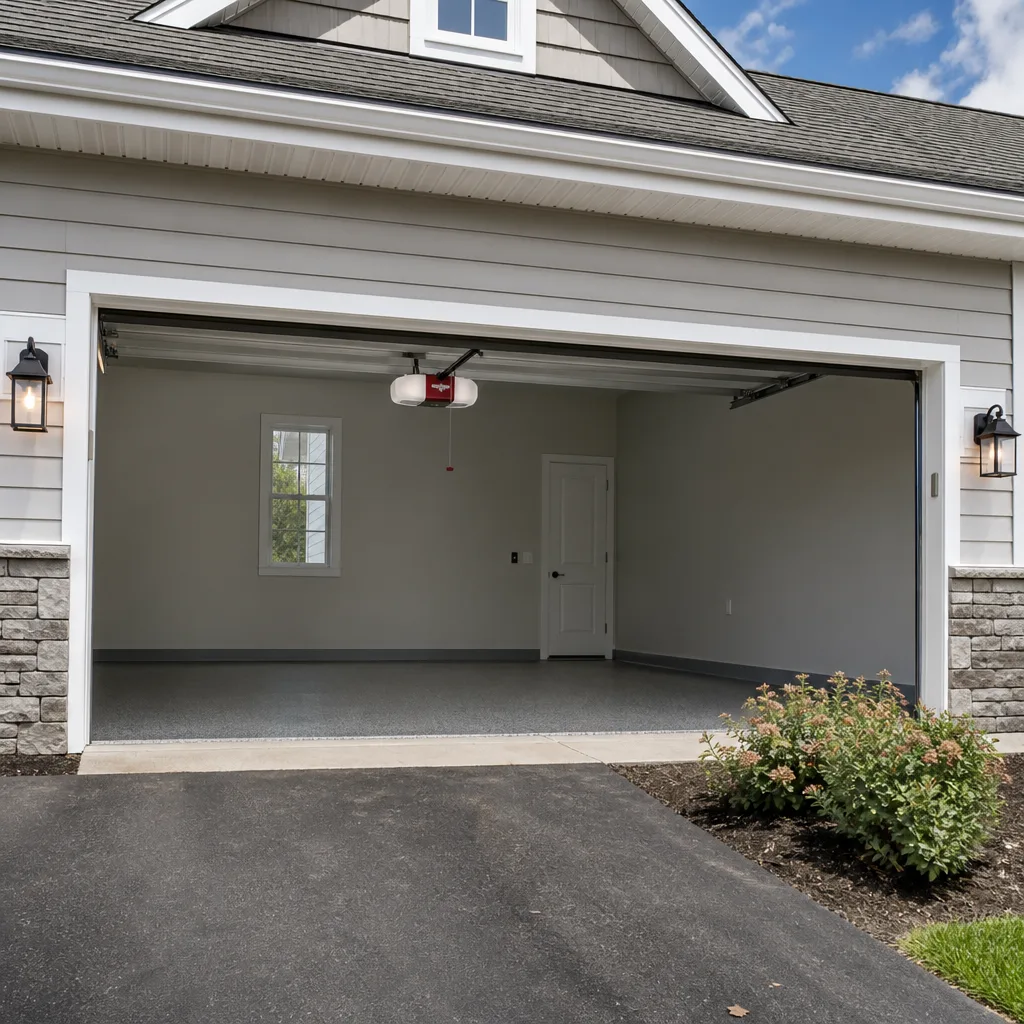 LiftMaster openers
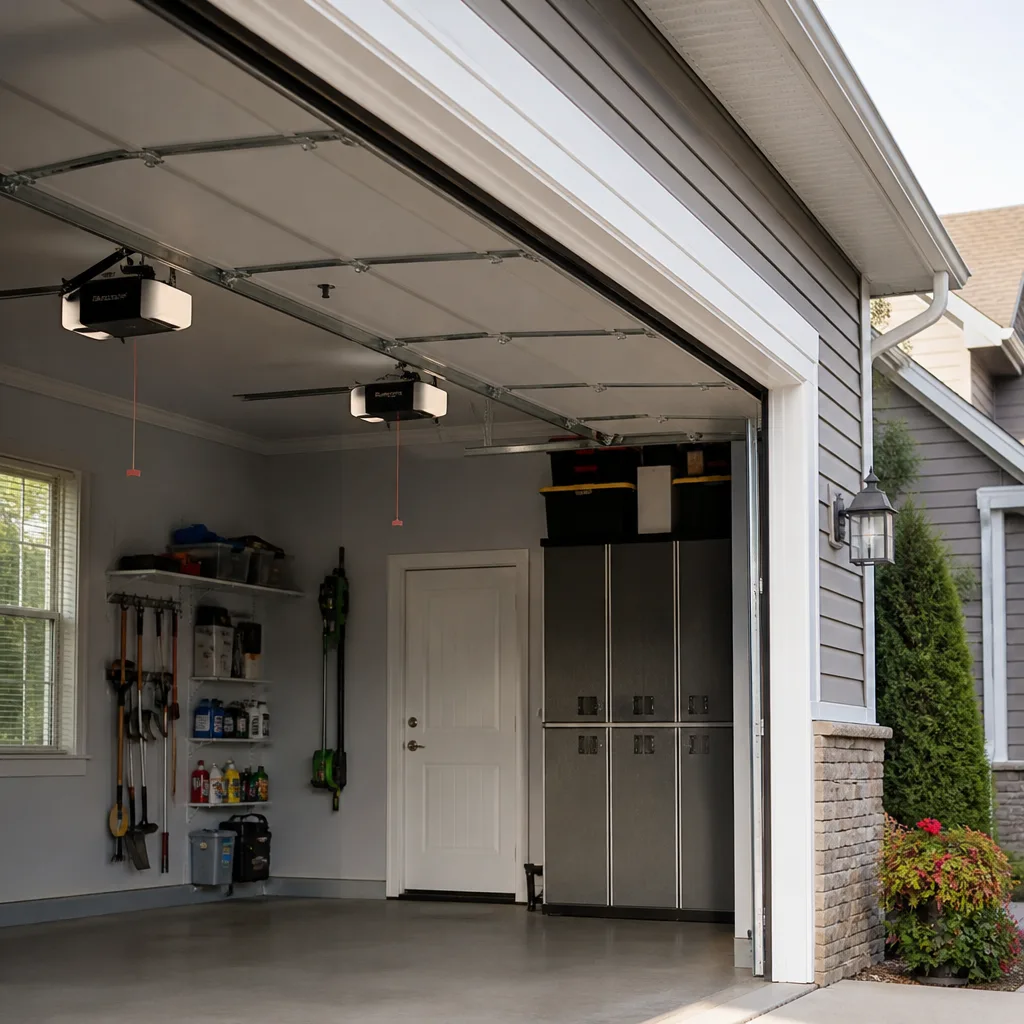 Chamberlain openers
Full 25-point door and opener safety check with every visit - springs, cables, rollers, tracks, and your LiftMaster or Chamberlain opener included
You get a price before we start. It does not change when the truck arrives.
Get your free estimateHow to Hire a Garage Door Contractor in San Carlos: A Step-by-Step Guide
Any handyman with a truck and a Yelp page can list “garage door repair” as a service. The question that immediately separates the generalist from the specialist: ask them to name the two most common torsion spring failure causes in coastal California climates. If they pause, keep looking. Most San Carlos homeowners don’t realize that garage door work is a distinct trade with its own physics, safety hazards, and brand ecosystems, until they’re standing in the driveway looking at a door that won’t open and a quote that doesn’t add up. This guide walks you through exactly how to vet a contractor, read a quote, spot the Bay Area-specific red flags, and end up with a door that works right the first time.
Styles & brands we work with
- Raised-panel steel
- Carriage house
- Modern flush
- Full-view glass
- LiftMaster openers
- Chamberlain openers
Quick Answer
To hire a garage door contractor in San Carlos, confirm they specialize exclusively in garage doors, verify their California licensing and insurance, ask brand-specific diagnostic questions, get a written itemized quote before work starts, and check that they discuss permits and liability without being prompted. The right contractor is a dedicated garage door specialist who works on the brand you already have, not a general contractor who added doors to their menu last year.
Table of Contents
- Specialist vs. Generalist: Why It Matters More Than Price
- Interview Questions That Reveal Technical Depth
- How to Read a Quote: Clean vs. Padded
- Permits and Liability in San Carlos
- Bay Area Red Flags to Watch For
- Step-by-Step Hiring Checklist
- Common Mistakes to Avoid
- When to Call a Professional
- Frequently Asked Questions
- The Bottom Line
Specialist vs. Generalist: Why It Matters More Than Price
Garage door work looks simple from the outside. A track, some panels, a spring, a motor. But the difference between a specialist and a general contractor shows up in three places: diagnosis, parts sourcing, and warranty. A generalist sees a door that won’t open and replaces the most obvious part. A specialist traces the failure through the entire system, the spring, the cable, the track alignment, the opener logic board, and finds the actual cause.
Parts sourcing is where San Carlos homeowners get burned without knowing it. A general contractor might not stock springs for a Wayne Dalton torque master system or know which logic board revision works with a Genie opener from 2016. They order generic parts that approximate the original, which wears out faster or doesn’t fit right. A specialist, like Rockport Garage Door Repair, works on the brand you already have. That means no pressure to replace a Clopay door that just needs a panel, or an Amarr system that needs a spring, because the technician actually knows the hardware.
Warranty is the third difference. If a generalist installs a part incorrectly, the manufacturer warranty is void and the generalist’s warranty is often as thin as the invoice. A specialist stands behind the work because they know the system. In our experience, most of the repair work we do on panels and openers in San Carlos is correcting installs done by someone who didn’t understand the brand.
The practical test is simple: ask the contractor which garage door brands they stock parts for and which they have to order. A real specialist names them without pausing. A generalist says something vague like “we can get anything.” That answers the question right there.
Interview Questions That Reveal Technical Depth
Licensing and insurance are table stakes. Anyone you let near a torsion spring should have both. But a license tells you they’re legal, not that they’re competent. These are the questions that separate a technician who can diagnose from someone who is guessing.
Here are five questions to ask any contractor you’re serious about hiring in San Carlos. We use these when we talk to homeowners who’ve had bad experiences with other companies, and they cut through the marketing noise fast.
- “What brands are you certified to work on?” A specialist names specific brands. Rockport Garage Door Repair services LiftMaster, Chamberlain, Genie, Clopay, Amarr, Wayne Dalton, Craftsman, and Raynor. That span, from door panels to openers, matters because it means the technician can work on the whole system, not just the part they sell.
- “If my door is off balance, what are the three most likely causes?” A technician should immediately say: worn torsion springs, a bent track section, or a loose cable drum. If they need to “take a look” before they can even speculate, they’re not diagnosing; they’re estimating.
- “Do you replace springs as a pair or one at a time?” The correct answer is a pair, always. Springs are configured for matched tension. Replacing one leaves the other to fail sooner and throws the door out of balance. If a contractor offers to replace one spring to save you money, that’s a red flag, not a favor.
- “Can you explain what you’re checking when you diagnose an opener?” Listen for a checklist: the logic board, the safety sensors, the drive gear or belt, the capacitor, and the force settings. If the answer is “the motor,” they don’t understand openers. garage door opener repair is its own specialty, and it deserves that level of attention.
- “What’s your process if the door still jams after the first repair?” The answer should involve re-diagnosis, not a shrug. A specialist expects to fix it the first time because they diagnosed it properly. If they hedge, they’re already planning on a call-back.
The point isn’t to interrogate someone until they squirm. It’s to hear whether they speak the language of the trade. A technician who understands torsion spring physics, brand compatibilities, and opener logic boards will tell you, confidently and quickly. That’s the person you want on your driveway.
How to Read a Quote: Clean vs. Padded
A quote tells you more about a contractor than their website does. Here’s what we tell San Carlos homeowners to look for when the numbers come back.
A clean quote has these traits:
- Line items for every component. Spring: one cost. Pair of springs: clearly stated as a pair. Cable set, rollers, brackets, labor: each line matches a component. Vague blocks like “repair service” or “door fix” are padding.
- Specific part names. “Pair of .225 x 2 x 30 torsion springs” is a real quote. “Door springs” is not. The more specific the part, the more likely the contractor actually diagnosed the issue.
- Labor separated from parts. You should see what you’re paying for the part and what you’re paying for the technician’s time. When they’re blended together, the contractor can hide a high labor charge inside a generic “repair” line.
- The exact scope of work. What is being replaced, what is being adjusted, and what is being inspected. If the quote doesn’t say what the technician will do, you can’t hold them accountable for what they didn’t.
A padded quote usually has:
- Rounded numbers everywhere. Real parts have real prices. If everything is a round $100, $200, $300, the quote was built for profit margin, not for your specific door.
- Fees you never asked for. A “mobilization fee” or “equipment handling fee” is a way to add dollars without adding value. You called them; the truck showing up is the service.
- “Package” pricing that bundles things you don’t need. If the quote includes replacing rollers when you only need a spring, ask why. A good contractor explains; a bad one assumes you won’t check.
- Urgency language attached to cost. “Sign today for a discount” paired with a high initial number means the price was never real.
The written quote should set the price before any work starts. If a contractor won’t commit to a number until they’ve “opened it up,” understand that you’re writing a blank check. A specialist can diagnose from the symptoms and the equipment and give you a reliable number. If the diagnosis changes during the repair, they should call you and get approval before proceeding.
When we write a quote in San Carlos, the customer knows exactly what part is going in, from which manufacturer, and what the labor costs before we touch the door. That’s the standard you want.
Permits and Liability in San Carlos
Garage door replacement sometimes requires a permit, depending on the scope of work. A straight spring replacement or panel repair rarely does. A new door installation or any change to the structural opening often does. This isn’t a detail your contractor should surprise you with after the job starts.
In San Carlos, the rules follow the broader San Mateo County building codes, but the city’s building department is the authority that issues permits. A contractor who does garage door repair here should bring up permitting unprompted if the job touches the threshold. If they don’t, ask. The answer matters less than whether they know the answer exists.
Liability is a separate question. The dangerous part of garage door work is the torsion spring, which stores an enormous amount of energy. If a spring breaks during removal and the technician hasn’t secured the area, people get hurt. This is not theoretical. It’s the single most common injury in this trade, and it happens to DIYers and unprepared generalists alike.
Ask your contractor what their safety procedure is for working on a loaded torsion spring. The answer should involve locking down the bar, controlling the winding rods, and never using improvised tools. If they laugh and say they’ve done it a thousand times, that’s charm, not procedure. A real specialist respects the spring every single time.
Insurance is non-negotiable. In California, a licensed contractor carries workers’ compensation for their employees. Verify it. If a worker gets hurt on your property and the contractor doesn’t carry coverage, your homeowner’s insurance is on the hook. That’s not a “maybe” scenario; that’s the law.
The contractor should also carry general liability insurance. This covers damage to your home if the technician drops a panel on your car or damages a track. Ask to see the certificate. A legitimate specialist has no problem showing it.
If the contractor doesn’t bring up permits or safety when the job warrants it, they’re not thinking about the long-term integrity of your home. They’re thinking about getting the invoice signed. Walk away.
Bay Area Red Flags to Watch For
San Carlos sits in the middle of one of the most competitive contractor markets in California, and that competition breeds some specific patterns. Here are the red flags we hear about most often from homeowners who’ve had a bad experience before calling us.
Unlicensed labor. The tell is usually a very low price and a requirement to pay in cash. In California, a contractor doing work over $500 in labor and materials must hold a state license. A handyman working under that threshold is legal, but a handyman who quotes a full spring replacement for $400 and asks for cash is neither legal nor insured. When the door fails again, there’s no one to call.
Out-of-area dispatch. Some companies advertise in San Carlos but actually run crews out of San Jose or even farther. The technician arrives with no local knowledge, no idea what the housing stock looks like here, and a dispatch window measured in hours. Ask where the technician is coming from. If the answer is a city an hour away, you’re paying for the drive and the wait.
“Today only” pressure pricing. A quote that expires when the technician walks back to the truck is a pressure tactic, not a business practice. Real pricing doesn’t change because the sun went down. If a contractor tells you the price is good only if you sign now, the price wasn’t the real price. It was the anchor for a negotiation.
Vague brand answers. We covered this earlier, but it bears repeating for the Bay Area specifically. This market has a huge variety of door brands because of the housing boom cycles. A Raynor door from a 1990s build, a Clopay from a mid-2000s renovation, a Wayne Dalton from a new construction, all of them sit on San Carlos garages. A contractor who can’t tell you which parts fit which brand is going to buy generic and hope.
The “we don’t carry parts” line. Some contractors show up, diagnose the problem, and then tell you they need to order parts and come back in a week. That’s not a repair; that’s a survey. A specialist stocks springs, rollers, cables, and common opener parts on the truck, because they know a San Carlos garage door doesn’t wait a week for a spring.
No written quote. In any trade, a contractor who won’t put the number in writing before starting work is a contractor who plans to change the number after the work. Never accept a verbal estimate for a repair with any meaningful cost. The written quote protects both of you, and anyone who resists writing it down isn’t someone you want on your property.
If you see one of these patterns, pause the process. If you see two, find another contractor. The San Carlos market has dedicated garage door specialists; you don’t need to settle for someone who treats your door like a side gig.
Step-by-Step Hiring Checklist
If you’re in the middle of a hiring decision right now, here’s the entire process in order. Follow it exactly and you’ll end up with a specialist who knows what they’re doing and a door that stays fixed.
- Define the problem before you pick up the phone. Write down what the door does: won’t open, opens partially, makes a grinding noise, sags on one side, the opener runs but the door doesn’t move. The more specific you are, the better the contractor’s initial diagnosis will be. You’re not doing their job; you’re giving them the information they need to do it.
- Ask for recommendations from San Carlos neighbors. The Nextdoor groups and local Facebook pages for San Carlos are full of recommendations and warnings. Pay attention to the warnings. A company that burned one neighbor is likely to burn you. A company recommended by three different people on three different threads has earned the word of mouth.
- Verify the license and insurance before the visit. Get the contractor’s California license number from their website or over the phone. Check it on the Contractors State License Board website. Verify insurance coverage. Do not skip this because the price was good.
- Run the interview questions. Use the five questions from the section above. You can do this over the phone in five minutes before you even schedule a visit. If the answers are vague or evasive, don’t waste the visit.
- Get a quote in writing before any work starts. A technician should diagnose, write the scope, and give you a number before touching the door. If the diagnosis changes during the work, the technician calls you with the new number and gets approval. That’s the correct process.
- Check the quote line by line. Look for the specific parts, separated labor, and the absence of mystery fees. If anything says “miscellaneous” or “service fee,” ask what it means.
- Ask about warranty in writing. What does the warranty cover, for how long, and does it include labor or just parts? If the contractor won’t put the warranty terms in the quote, assume there isn’t one.
- Book the work and confirm the day. A specialist in San Carlos should be able to give you a clear arrival window. Our dispatch runs Sunday through Friday, 7am to 7pm. A contractor who says “sometime next week” isn’t managing their schedule; they’re managing your expectations down.
That’s it. It’s not complicated, but it requires doing the steps in order and not letting a smooth sales pitch substitute for actual verification.
Common Mistakes to Avoid
- Hiring on price alone. The cheapest quote in San Carlos often belongs to someone without insurance, proper licensing, or the right parts on the truck. You pay twice: once for the cheap repair, then again for the specialist to fix it properly.
- Assuming a handyman can handle a torsion spring. A torsion spring under tension can break bones or worse. This is not a YouTube tutorial job. If your handyman doesn’t have the specific winding bars and safety procedure for your brand of spring, don’t let them touch it.
- Letting a contractor install a new door without discussing permits. In San Carlos, some new installations require a permit. If your contractor doesn’t raise the topic and you don’t ask, you could face a permit issue when you sell the house. That’s an expensive problem to discover at escrow.
- Signing a quote with a “diagnostic fee” that becomes the repair. If a contractor charges you a fee just to show up and then rolls that fee into an inflated repair cost, the fee was never separate; it was a down payment on an unbudgeted job. Our estimates are free, and a legitimate specialist prices the work based on the diagnosis, not on revenue goals.
- Replacing a single spring because it’s cheaper today. Springs are calibrated in pairs. When one fails, the other has cycled the same number of times and is near failure too. Replacing one means paying for labor twice and risking a door that’s out of balance. A pair replacement costs more up front but less over the life of the door.
- Ignoring the red flags. The “today only” price, the cash-only requirement, the technician who can’t name a brand. Every one of these is a pattern that repeats. When you see the pattern, the rest of the experience is predictable.
- Not reading the warranty before signing. A warranty that covers parts but not labor is a parts discount, not a warranty. Read the terms. Ask what happens if the same repair fails in two months. If the answer is vague, the warranty is vague.
When to Call a Professional
Some garage door work can wait. A squeaky roller or a slow opener is a scheduling question. Other problems are an immediate call. If your door is off balance, meaning it jerks, sags to one side, or slams down when you release it, the spring system is failing and the door can drop hard enough to damage the track, the opener, or someone underneath it. If a cable is frayed, replace it now; a snapped cable under tension whips and can injure anyone nearby. If the opener runs but the door doesn’t move, the gear or logic board has failed and forcing it will burn out the motor. If the door won’t stay open or closed and you’re propping it with a board, that’s the failure before the injury. Don’t wait for a better time. San Carlos homeowners can call Rockport Garage Door Repair at (855) 393-4573 for a free estimate. We answer 24/7. Fast dispatch from 7am to 7pm, Sunday through Friday.
Frequently Asked Questions
A single torsion spring replacement in San Carlos typically runs between $180 and $340, and a pair runs about twice that, since springs are almost always replaced as a matched set. Opener repairs range from $150 to $450 depending on whether it’s a gear, a logic board, or a sensor issue, and full door replacement starts around $1,500 for a basic single-car door. Call (855) 393-4573 for an exact quote, estimates are free.
It depends on the scope. A straight panel or spring replacement usually doesn’t require one, but a new door installation or any change to the structural opening often does in San Mateo County. Ask the San Carlos building department, and hire a contractor who raises the question themselves.
Yes, for most repairs. We answer 24/7 and dispatch from 7am to 7pm, Sunday through Friday. If the call comes outside dispatch hours, it’s booked into the next opening. A broken spring or snapped cable doesn’t wait well, so call (855) 393-4573 as soon as the door acts up.
A specialist focuses exclusively on garage doors: the springs, tracks, panels, openers, and brand systems. A handyman divides attention across many trades. The difference shows up in diagnosis speed, part sourcing, and warranty coverage. A specialist gets it done in one visit; a handyman often orders parts and comes back.
We service LiftMaster, Chamberlain, Genie, Clopay, Amarr, Wayne Dalton, Craftsman, and Raynor. Whether you have an Amarr door with a LiftMaster opener, a Raynor panel with a Genie drive, or a Craftsman system from a 2000s build, we work on the brand you already have.
No. The quote we give you before work starts is the price you pay, unless a hidden problem changes the diagnosis and we call you to approve a new number first. You will always know the price before any work is done.
The Bottom Line
Hiring a garage door contractor in San Carlos comes down to one decision: do you want a specialist or a generalist? A specialist works on the brand you already have, diagnoses the whole system from spring to opener, writes a clean itemized quote, and stands behind the work. A generalist guesses, orders parts, and hopes. Ask the questions. Read the quote. Verify the license and insurance. Look for the Bay Area red flags. When you do, the choice is usually obvious. And when the door breaks, you want the choice already made: call (855) 393-4573 and get a specialist on the driveway, not a generalist on the phone.
Written by the team at Rockport Garage Door Repair, serving San Carlos since 2014.
See the difference
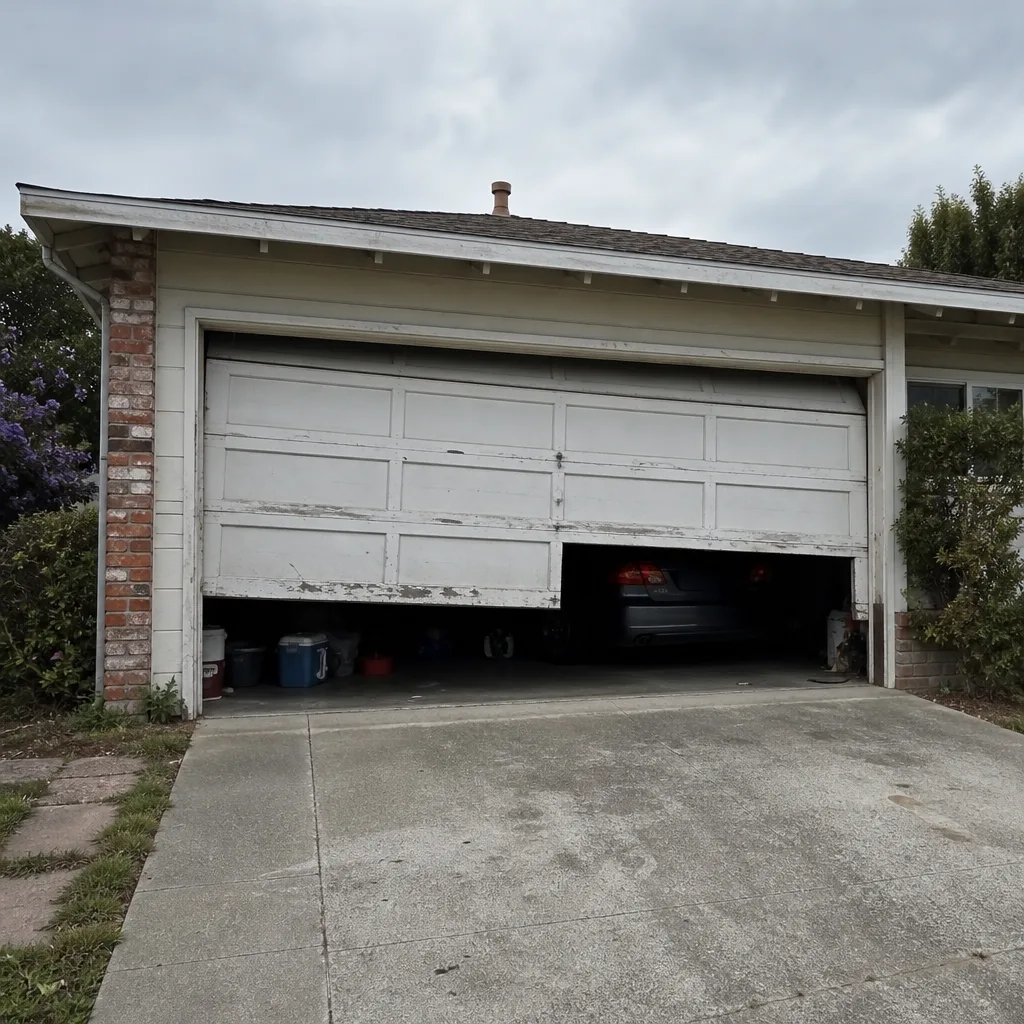 Before
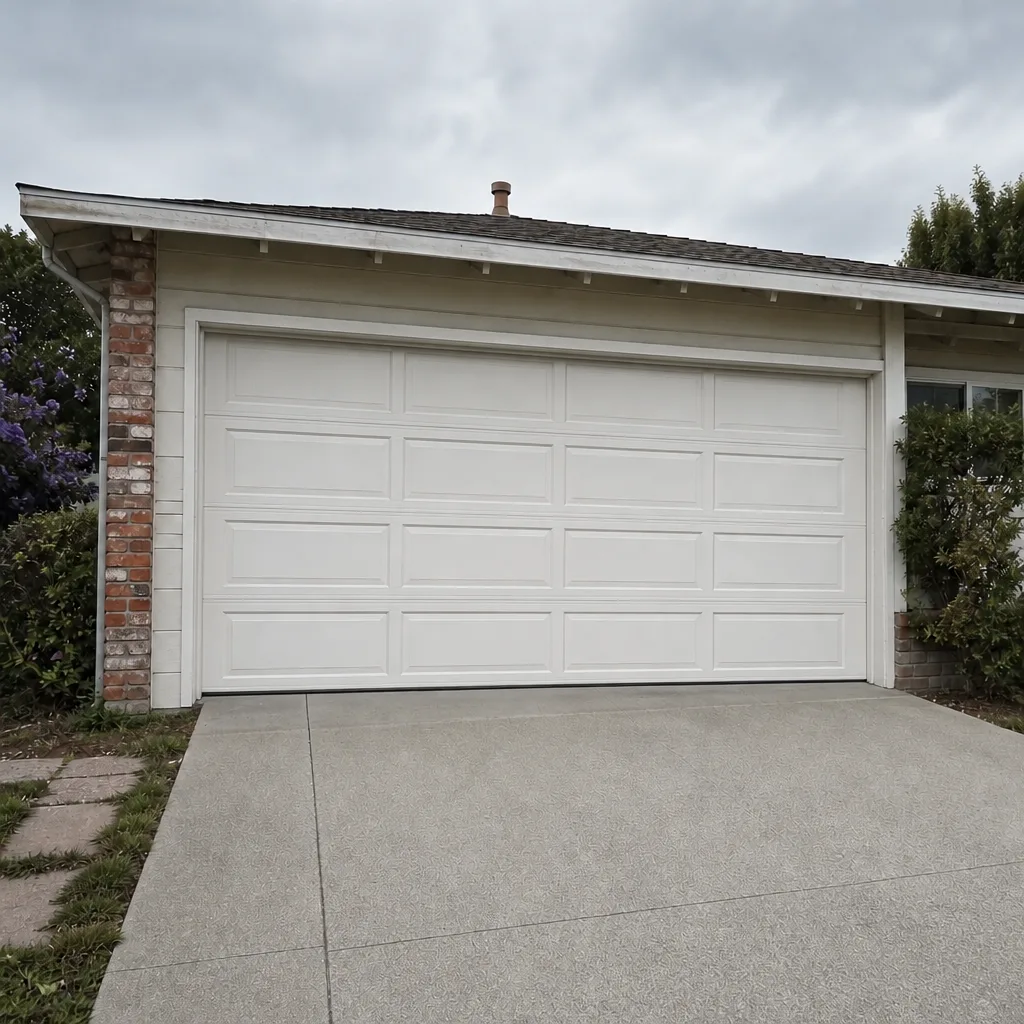 After
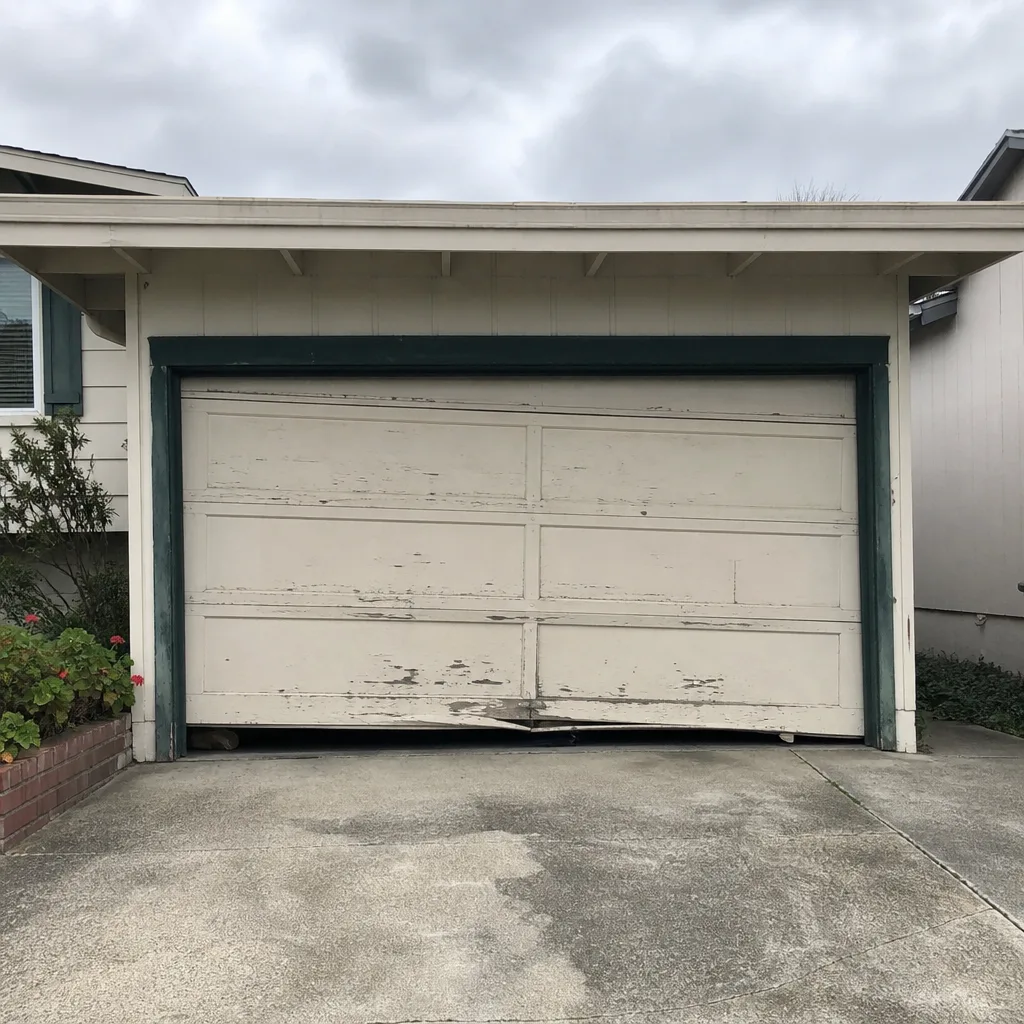 Before
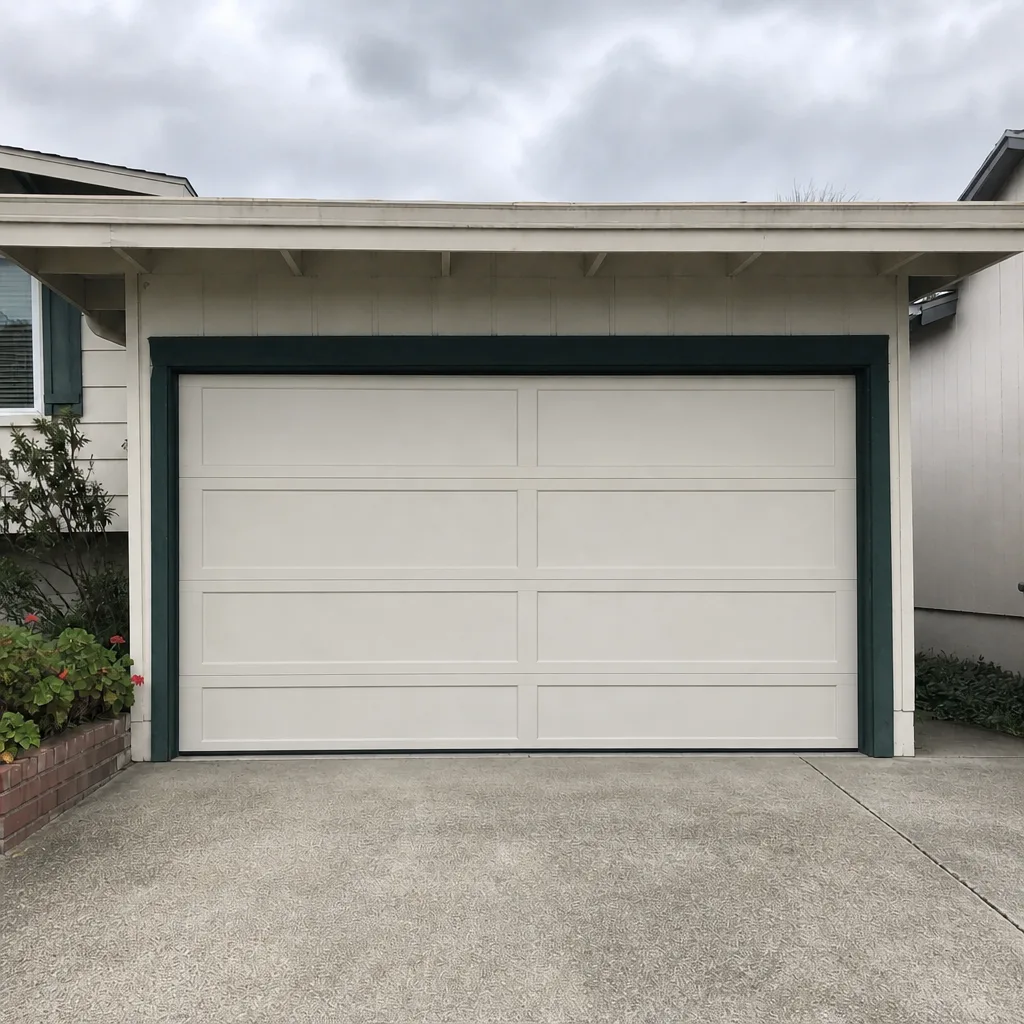 After
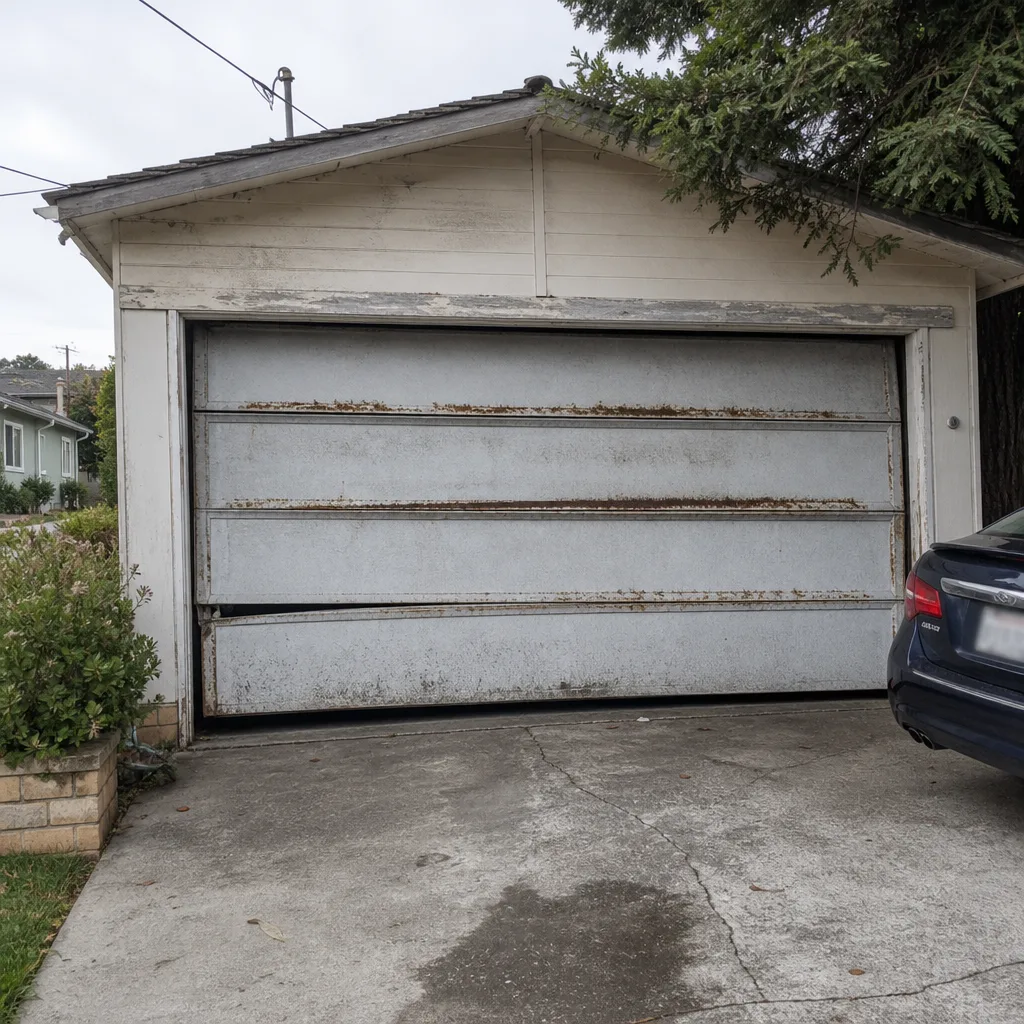 Before
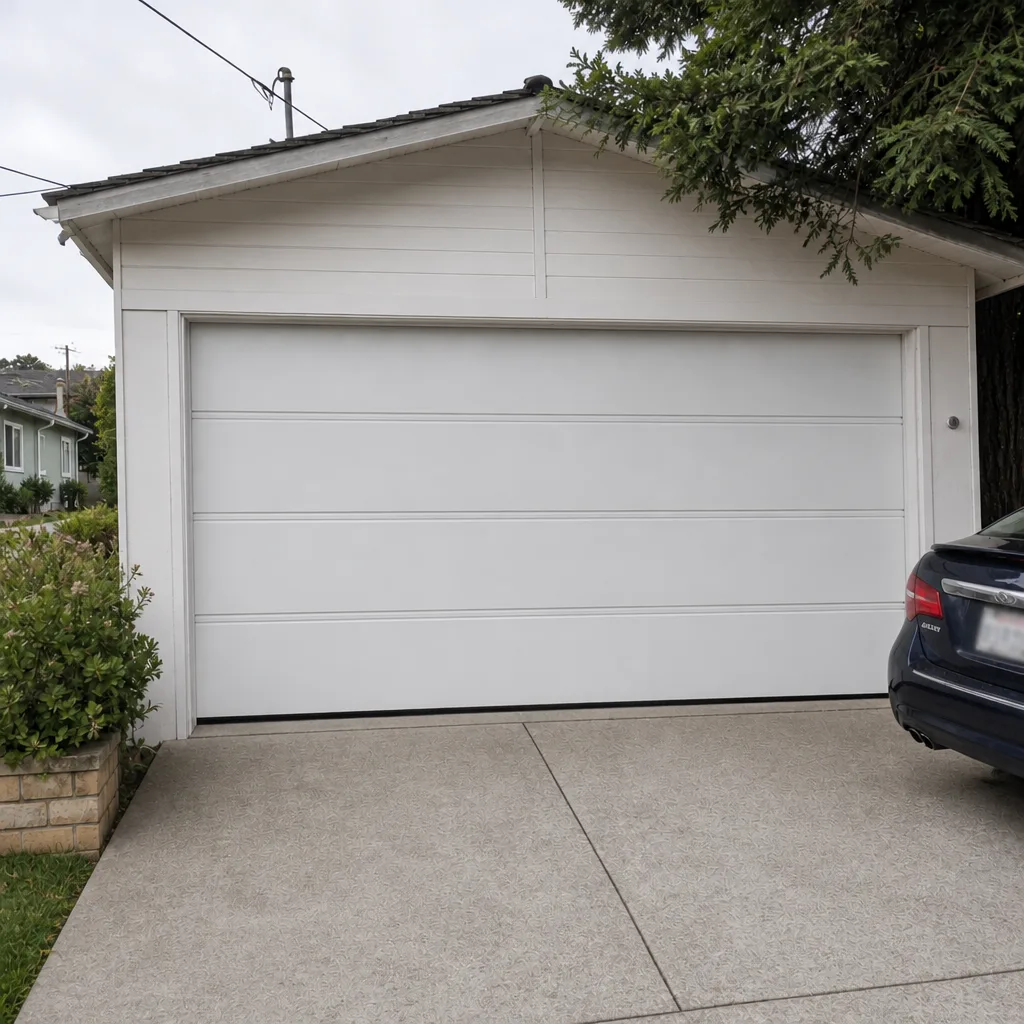 After