
Last updated November 4, 2026
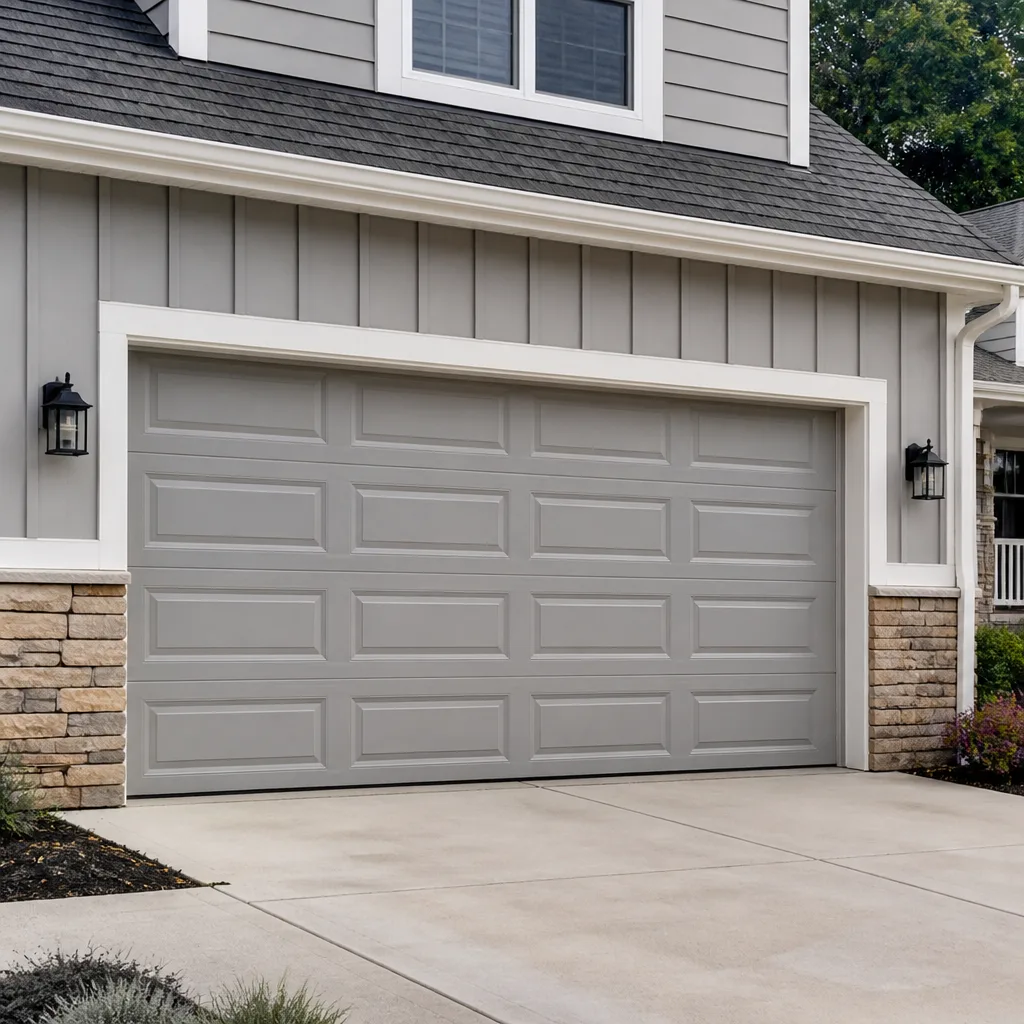 Raised-panel steel
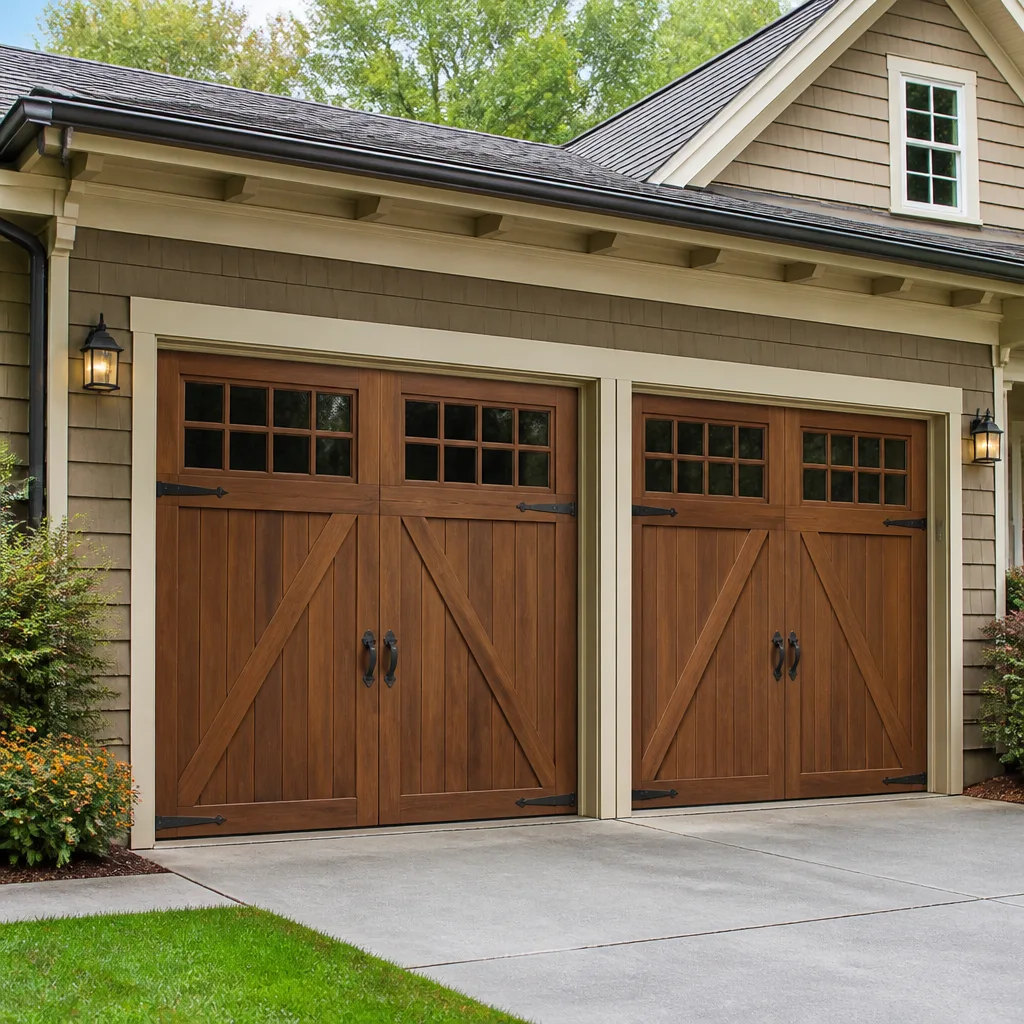 Carriage house
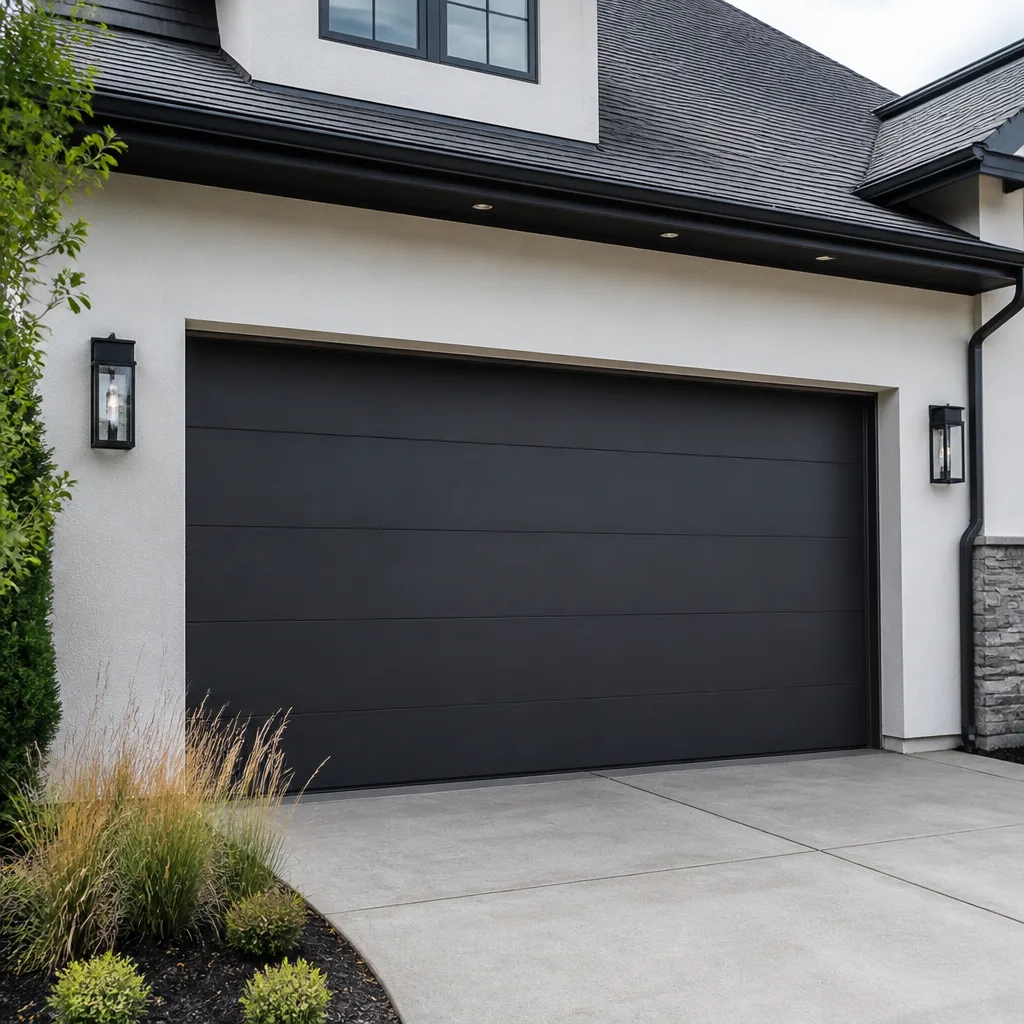 Modern flush
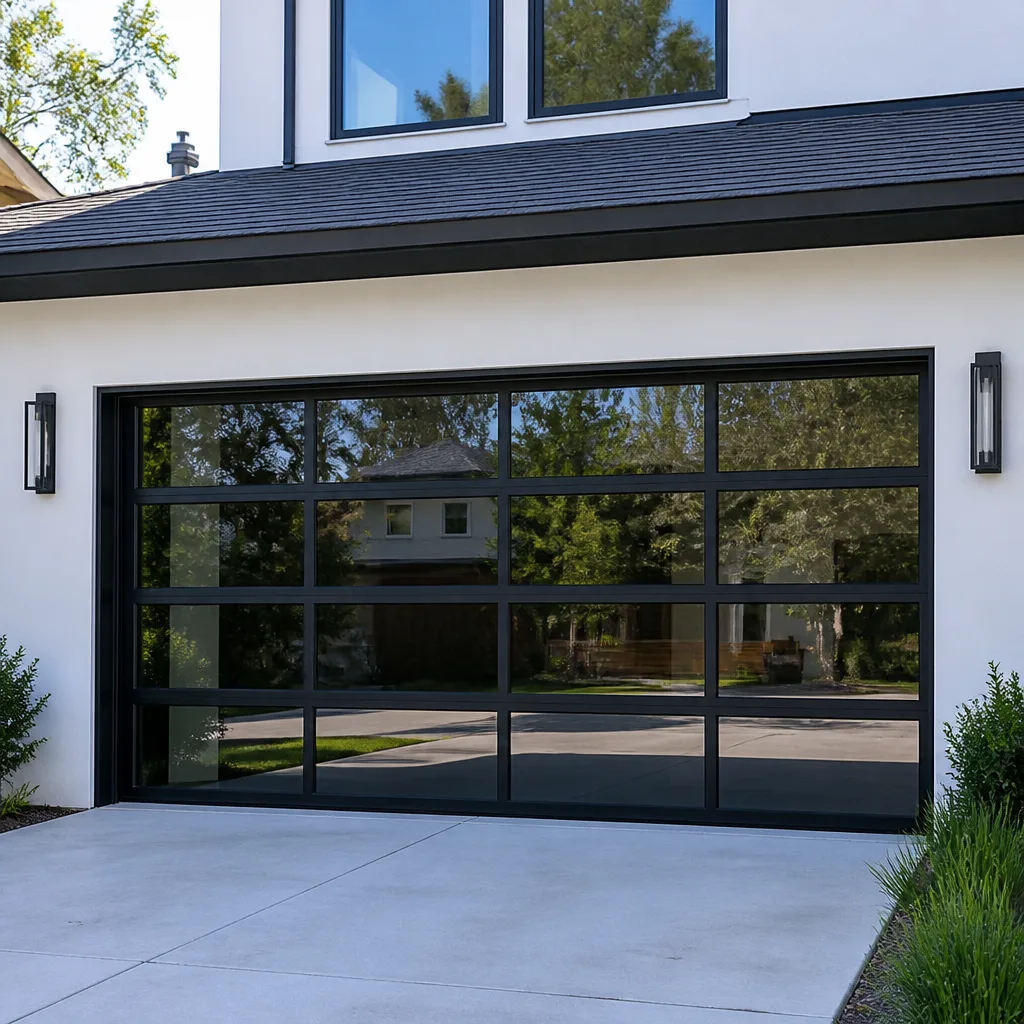 Full-view glass
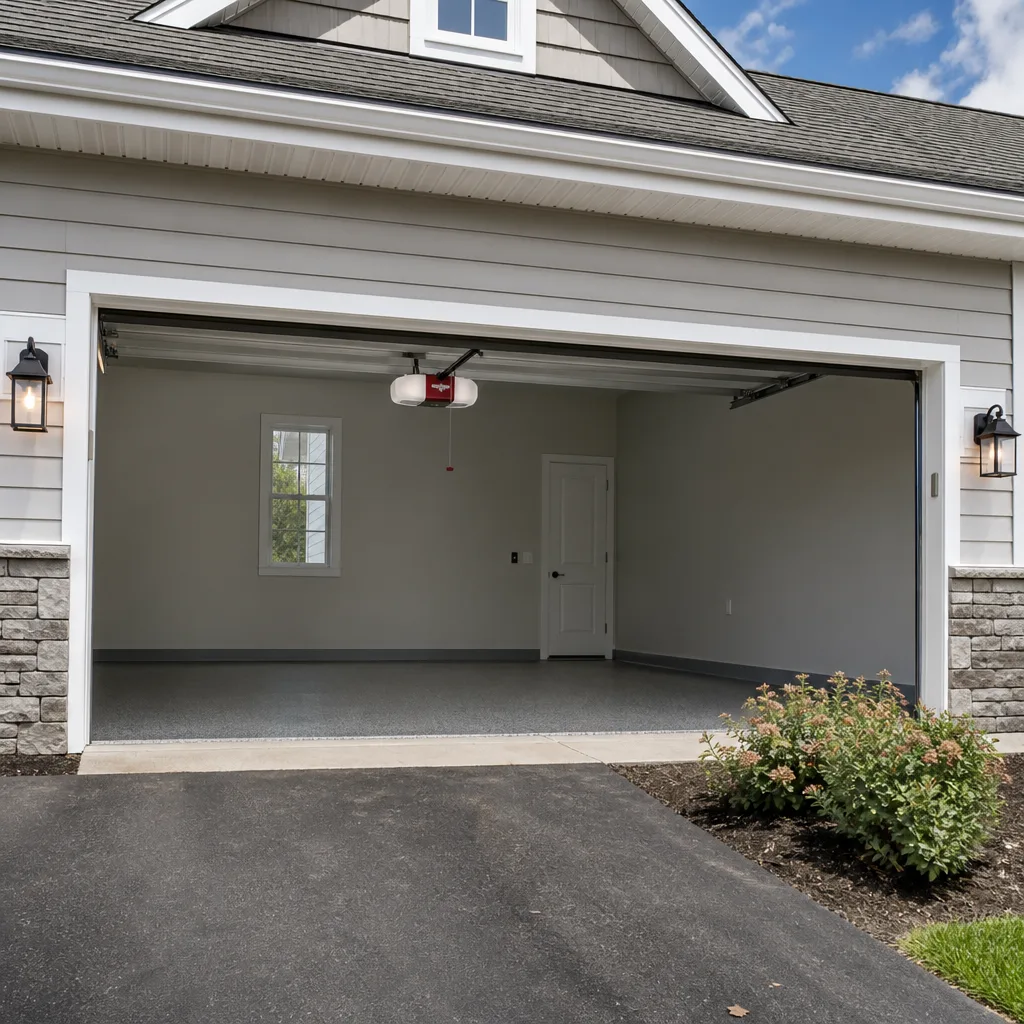 LiftMaster openers
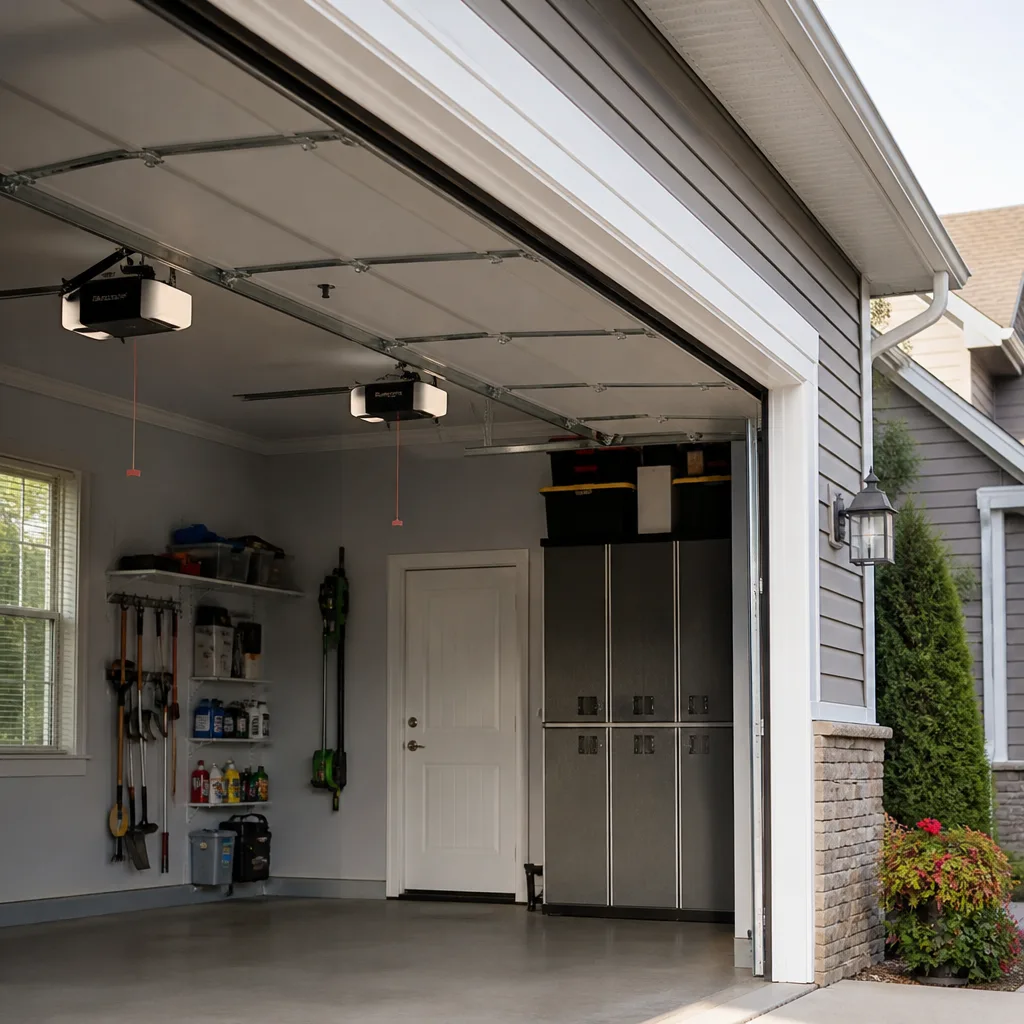 Chamberlain openers
Full 25-point door and opener safety check with every visit - springs, cables, rollers, tracks, and your LiftMaster or Chamberlain opener included
You get a price before we start. It does not change when the truck arrives.
Get your free estimateGarage Door Warning Signs: A San Carlos Homeowner’s Reference Guide
Most people think a garage door fails suddenly. It doesn’t. It fails incrementally, with warnings that show up weeks or months earlier in ways most homeowners in San Carlos never notice because nobody taught them what to look for. A door that hesitates half a second before lifting. A sound that changed pitch subtly. A cable that looks slightly off. These are not quirks. They are diagnostics. This guide is organized by component so you know exactly what to inspect, what each signal means, and which signs are safe to monitor versus which require a call today. By the end, you’ll see your garage door the way a trained technician does.
Quick Answer
The most common garage door warning signs in San Carlos include a door that hesitates before opening, a change in the sound the opener makes, a slight wobble when the door moves, visible rust on springs or cables, and a bottom seal that no longer sits flush with the garage slab. These early signals almost always trace to a specific component: spring, cable, track, roller, opener, or sensor. Understanding which component is speaking to you tells you whether to monitor the issue or call for same-day garage door repair.
Styles & brands we work with
- Raised-panel steel
- Carriage house
- Modern flush
- Full-view glass
- LiftMaster openers
- Chamberlain openers
Table of Contents
- Spring Warning Signs: The Half-Second Tell
- Cable Warning Signs: What Fraying Actually Looks Like
- Track and Roller Warning Signs: The Wobble Factor
- Opener Warning Signs: Sound, Speed, and Reversal
- Sensor Warning Signs: The Slow Reversal Red Flag
- Seal and Weather-Stripping Warning Signs: The San Carlos Climate Factor
- Monitor It vs. Call Today: A Severity Framework
- Common Mistakes to Avoid
- When to Call a Professional
- Frequently Asked Questions
Spring Warning Signs: The Half-Second Tell
The torsion spring is the component that does the real lifting. When it starts to fail, it rarely announces itself loudly. It telegraphs through small changes in how the door behaves. The most common early signal is a half-second delay between when you press the remote and when the door actually starts moving. That delay often means the spring is losing tension and the opener is briefly straining before the spring catches up. A healthy spring responds immediately.
Our technicians at Rockport Garage Door Repair look for three specific signs on every spring inspection in San Carlos:
- A gap in the spring coil. Torsion springs should have coils tight against each other. If you see daylight between them, the spring has already begun to deform and will fail.
- Rust or discoloration that wasn’t there before. San Carlos gets morning fog that burns off into warm afternoons. That daily moisture cycle accelerates oxidation on exposed metal parts, and a spring showing surface rust is often closer to the end than it looks.
- The door is heavier than it used to be. Pull the manual release cord and try lifting the door by hand. If it takes real effort or the door wants to drop, the spring is not doing its share of the load.
A spring under tension is dangerous to work on. If you see any of these signs, do not attempt to adjust or replace the spring yourself. The stored energy in a torsion spring can cause serious injury if released incorrectly. Call a specialist who understands the spring’s exact cycle rating and can match a replacement to your door’s weight and height. For San Carlos homeowners, a single spring replacement is a common repair, but a matched pair is often recommended because both springs wear at roughly the same rate and replacing only one means the older spring will fail soon after.
Cable Warning Signs: What Fraying Actually Looks Like
Garage door cables are the most under-inspected safety component on the entire system. They run under high tension along both sides of the door, and when one fails, the door can drop suddenly. The early warning signs are visible if you know what you’re looking at, but most homeowners never check.
Here’s what actual cable wear looks like, in order of severity:
- Hairline discoloration along a few strands. This is the earliest stage. It looks like a small patch of rust or a dull spot where the steel has lost its sheen. The cable still works, but the protective coating is compromised.
- Visible broken strands. Look closely at the cable where it wraps around the drum at the top of the track. If you see individual wires poking out or a section that looks fuzzy compared to the rest of the cable, individual strands have snapped. This is a call-today situation.
- Uneven winding on the drum. The cable should wrap in neat, tight rows around the drum. If it’s overlapping, bunching on one side, or leaving gaps, the cable tension is uneven. That usually means the door is out of balance or a cable is stretching.
- One cable looks slack while the other is tight. This is a serious imbalance warning. A slack cable means the spring is carrying the load unevenly, and the cable can slip off the drum entirely.
Cables fail because of cycle count, not just age. A door that opens and closes four times a day in San Carlos accumulates roughly 1,500 cycles per year. Most residential springs and cables are rated for 10,000 cycles, so a door that’s been in service since 2014 is likely approaching replacement territory. The cable and spring should generally be replaced together because both have seen the same number of cycles and both are equally worn. If you notice any of these cable signs, treat it as a high-urgency issue and call a professional for an inspection.
Track and Roller Warning Signs: The Wobble Factor
A garage door should move smoothly and quietly along its tracks. If it wobbles, shudders, or looks like it’s leaning to one side, the track or rollers are telling you something. The early-stage signs are subtle, and in our experience, most San Carlos homeowners notice the noise before they notice the visual cue that caused it.
The wobble factor is the key diagnostic. Watch the door as it moves. It should stay flat and vertical the entire travel. If you see side-to-side movement, even an inch, something is wrong. The three most common causes are:
- Worn rollers. Rollers have ball bearings inside them. When the bearings wear out, the roller stops rolling and starts sliding, which creates friction and wobble. You’ll often hear a rattling or squeaking sound.
- Loose track bolts. The track is bolted to the wall or ceiling at multiple points. Over years of vibration, those bolts can loosen, allowing the track itself to shift slightly with each cycle.
- A track that’s slightly bent. Even a small bend can cause the rollers to catch at the same point every time. You may notice the door pauses or jerks partway through its travel.
Roller and track issues on doors from brands like Clopay or Amarr are almost always repairable without replacing the entire door. The key is catching the wobble before it becomes a derailment. A door that comes off its tracks is a heavy, dangerous object, and it usually damages the panel, the rollers, and sometimes the opener in the process. If you notice any side-to-side movement, call for garage door repair in San Carlos before the wobble becomes a crash.
Opener Warning Signs: Sound, Speed, and Reversal
The opener is the motorized half of the system, and it’s the component homeowners interact with most directly. It’s also the one where warning signs are easiest to ignore because they happen gradually. A door that takes three seconds longer to open than it did last year is easy to not notice. But the change is meaningful.
We break opener warning signs into three categories: sound, speed, and reversal.
Sound. A healthy opener has a consistent tone. It’s not silent, but it should sound the same every time. A change in that consistency is the warning. A high-pitched whine that wasn’t there before often indicates a motor or gear issue. A grinding noise usually points to the drive gear, which is the plastic gear that transfers motor power to the chain, belt, or screw drive. A clicking sound when the opener runs but the door doesn’t move can indicate a broken gear or a disengaged carriage.
Speed. The door should move at consistent speed from start to finish. If it starts fast, then slows dramatically, then speeds up again, the opener’s force settings may be off, or the door may be binding somewhere along the track. A door that consistently moves slower than it used to is often a sign that the opener is working harder than it should, usually because the door itself has an issue.
Reversal. This is the most important one from a safety perspective. Every automatic opener made in the last several decades has a force-reversal feature. When the door hits something, it reverses. If your door reverses without hitting anything, or if it reverses partway through opening, the system is detecting resistance that shouldn’t be there. The most common causes are a failing spring (which makes the door feel heavier), a track issue, or worn rollers. Some San Carlos homeowners assume the opener itself is the problem when the door reverses, but in our experience, the opener is often just reacting correctly to a door that’s no longer balanced. That’s why we always diagnose the whole system, not just the opener. For opener-specific issues, including drive gear wear, logic board problems, and remote signal issues, we offer dedicated garage door opener repair as its own service, because opener problems have different diagnostic requirements than mechanical door issues.
Sensor Warning Signs: The Slow Reversal Red Flag
Photo-eye sensors sit near the floor on both sides of the garage door opening. They project an invisible beam, and when anything interrupts that beam, the door refuses to close or reverses if it’s already moving. It’s a critical safety mechanism designed to prevent the door from closing on a person, pet, or object.
The most common sensor warning sign is a slow reversal. The door starts closing normally, then reverses just before reaching the ground, with no visible obstruction. That’s usually the sensors, and here’s what to check first:
- Alignment. Both sensors need to point directly at each other. A bump from a trash can, a broom, or a car bumper can knock one slightly out of alignment. Look for a small LED light on each sensor. If one light is off or blinking, that sensor is not achieving alignment.
- Cleanliness. San Carlos driveways pick up fine dust, cobwebs, and occasional debris. A lens with even a thin layer of grime can scatter the beam enough to trigger a false reversal. Wipe both lenses with a soft, dry cloth.
- Wiring. The sensors connect to the opener with low-voltage wire that runs along the bottom of the track. If the insulation is nicked, the wire is pulled loose, or a staple has cut into it, the signal can be intermittent.
If realigning and cleaning doesn’t fix the reversal, the sensors themselves may be failing. Some Genie and Chamberlain opener models will display an error code on the wall console or the opener unit when a sensor fault is detected, but many do not. A sensor that can’t be fixed means the door’s safety system is compromised, which is a call-today issue. A door without working sensors will not close automatically, which is safer than the alternative, but it also means your garage is unusable until the problem is resolved.
Seal and Weather-Stripping Warning Signs: The San Carlos Climate Factor
The bottom seal on a garage door is easy to ignore because it’s only visible when the door is closed. It wears out faster in San Carlos than in many other climates for a specific reason: daily temperature swings. Summer days in the 80s followed by nights in the 50s cause the rubber or vinyl seal to expand and contract repeatedly. Over a few years, that cycle causes the material to lose its flexibility, crack, or flatten out.
Here’s what to look for:
- Visible daylight under the door. When the door is closed, look at the bottom edge from inside the garage with the lights off. If you see light coming through, the seal is not making contact with the slab.
- A seal that’s flattened or cracked. A healthy seal has some give and returns to its shape when pressed. A flattened seal stays compressed and no longer fills the gap at the bottom of the door.
- A gap that wasn’t there in October. Most San Carlos homeowners first notice the seal problem when the weather changes and they feel a draft or see leaves and dust blowing under the door.
The bottom seal matters beyond temperature control. It keeps out moisture during winter rains, which protects stored items from water damage and prevents rust from forming on the bottom panel of doors from manufacturers like Wayne Dalton or Amarr. It also keeps out rodents, which are active in San Carlos year-round. Replacing a bottom seal is a relatively quick repair, but it’s one that requires the right profile for your specific door brand and model. A seal that doesn’t match will not seat properly and will wear out faster.
Monitor It vs. Call Today: A Severity Framework
Not every warning sign requires immediate action. Some are worth monitoring for a few weeks to see if they stabilize. Others are dangerous and should be addressed the same day. Here’s the framework we use, and we recommend San Carlos homeowners use it too.
Monitor It
- Occasional squeak that goes away with lubrication. A dry roller or hinge can cause noise. If lubricating the moving parts with a garage-door-specific lubricant resolves it, monitor and re-lubricate every six months.
- Slight change in door speed during very hot or cold weather. Extreme temperature swings can temporarily affect the opener’s performance. If the door returns to normal when temperatures moderate, it’s likely not a concern.
- Cosmetic rust on hardware that’s not under tension. Surface rust on hinge brackets or the track exterior is not an immediate structural concern, though it should be addressed before it spreads.
- Bottom seal that’s slightly flattened but still contacting the slab. If there’s no visible gap or daylight, you have time to plan the replacement.
Call Today
- Any visible fraying on a cable. A cable with broken strands can fail at any moment. This is a safety emergency.
- A gap in the torsion spring coil. This means the spring is actively failing and can snap without warning.
- Side-to-side wobble during travel. This indicates track or roller failure that can lead to a derailment.
- Door reverses without obstruction. The safety system may be compromised, and the door may not close reliably.
- Sudden loud noise during operation. A bang, snap, or grinding sound that wasn’t there before almost always indicates a component failure in progress.
When in doubt, call. A quick inspection is always cheaper than a catastrophic failure that bends a panel, destroys an opener, or injures someone.
Common Mistakes to Avoid
- Ignoring a slight delay at startup. That half-second hesitation is often the first sign of a weakening spring. Waiting turns a routine spring replacement into a door that won’t open at all.
- Adjusting the spring yourself. Torsion springs are the single most dangerous component on a garage door, and adjusting them requires specialized tools and training. In San Carlos, we see doors every year that were made worse by a well-intentioned DIY repair.
- Treating every noise as a lubrication issue. A squeak might be dry rollers, but a grinding noise is usually a mechanical problem in the opener. Adding lubricant to a failing part masks the symptom instead of fixing the cause.
- Replacing the opener before checking the door. A door that’s off balance or has a failing spring will burn through a new opener quickly. Diagnose the whole system before replacing individual parts.
- Ignoring a bottom seal because it seems cosmetic. A gap at the bottom of the door lets in water, rodents, and debris. In San Carlos, where winter rains are a real consideration, that gap can lead to damaged belongings and rust on the door panel.
- Waiting for a complete failure to call. The most expensive repairs are the preventable ones. A $200 spring replacement is almost always cheaper than replacing a bent panel and damaged opener after a cable breaks.
- Mixing brands and parts that don’t belong together. Some San Carlos homeowners buy replacement parts online without confirming compatibility with their specific door. A spring that’s rated for the wrong weight or height will fail prematurely, and a roller that doesn’t fit the track will bind. Working with a specialist who knows the brand you already have prevents these mismatches.
When to Call a Professional
You should call a professional the moment you see cable fraying, a spring gap, significant door wobble, or a safety reversal that doesn’t resolve with basic sensor alignment. These are not DIY issues, and they will not get better with time. You should also call if you’ve noticed a series of smaller changes that you can’t explain: a door that’s slower, louder, and sags slightly to one side when open. Multiple small signals together often point to a system-wide wear issue that a trained eye can diagnose in one visit.
Rockport Garage Door Repair offers free estimates in San Carlos. We work on the brands you already have, including Genie, Clopay, Amarr, and Wayne Dalton, and we diagnose the entire system, from the spring to the opener. Call (855) 393-4573 for a free estimate, or to get a second opinion on something you’ve been monitoring. We answer 24/7. Fast dispatch from 7am to 7pm, Sunday through Friday.
Frequently Asked Questions
A hesitation before the door starts moving typically means the torsion spring is losing tension and the opener is briefly struggling before the spring engages. It’s an early warning sign that the spring is nearing the end of its life, and it’s worth having inspected before the spring fails completely. Call (855) 393-4573 for a free estimate if you’re seeing this in San Carlos.
A grinding noise usually points to a worn drive gear inside the opener motor unit, which is the plastic gear that transfers power to the drive mechanism. It can also mean the door itself is binding and the opener is working harder than it should. Since the cause could be in either the opener or the door, a full-system diagnosis is the fastest path to the right fix.
Look for a gap between the coils of a torsion spring, visible rust or discoloration, a door that feels heavy when you lift it manually, or a delay at startup. Any of these signs means the spring is past its prime. Because springs and cables wear on a cycle count, a door that’s been in daily use for several years in San Carlos is often due for replacement even if it hasn’t failed yet.
No. Cables run under high tension, and a cable that snaps while you’re working on it can cause serious injury. Cable replacement also requires releasing and re-tensioning the spring, which is the most dangerous procedure in garage door work. Leave it to a trained professional.
A door that reverses with no visible obstruction is usually reacting to a misaligned or dirty photo-eye sensor. Check that both sensors are pointed at each other and wipe the lenses with a dry cloth. If it keeps happening, the sensors may be failing or there may be resistance in the door itself that’s triggering the safety reversal. A persistent reversal is a safety issue that should be diagnosed promptly.
Once a year is a good baseline for most San Carlos homeowners, especially for doors that see daily use. The climate here, with morning fog and warm afternoons, accelerates oxidation on springs, cables, and hardware, so an annual inspection catches issues like surface rust and minor track wear before they become structural problems. If your door is older or you notice any change in sound or behavior, have it looked at sooner.
The Bottom Line
A garage door warns you before it breaks. The warning might be a half-second delay, a change in pitch, a slight wobble, or a gap in the bottom seal that wasn’t there last season. Knowing what those signals mean, and which ones are urgent, is the difference between a routine repair and a major failure. If you see cable fraying, a spring gap, or significant movement in the door itself, don’t wait. And if you’re uncertain about what you’re seeing, getting a professional assessment is the fastest way to stop wondering. Most issues caught early are repairable in a single visit, and knowing what to look for is the first step. The next step is calling a garage door specialist, not a generalist, to take a look. For San Carlos homeowners, San Carlos garage door service from a dedicated specialist means a diagnosis that accounts for the local climate, the specific hardware on your door, and the right fix the first time.
Written by the team at Rockport Garage Door Repair, serving San Carlos since 2014.
See the difference
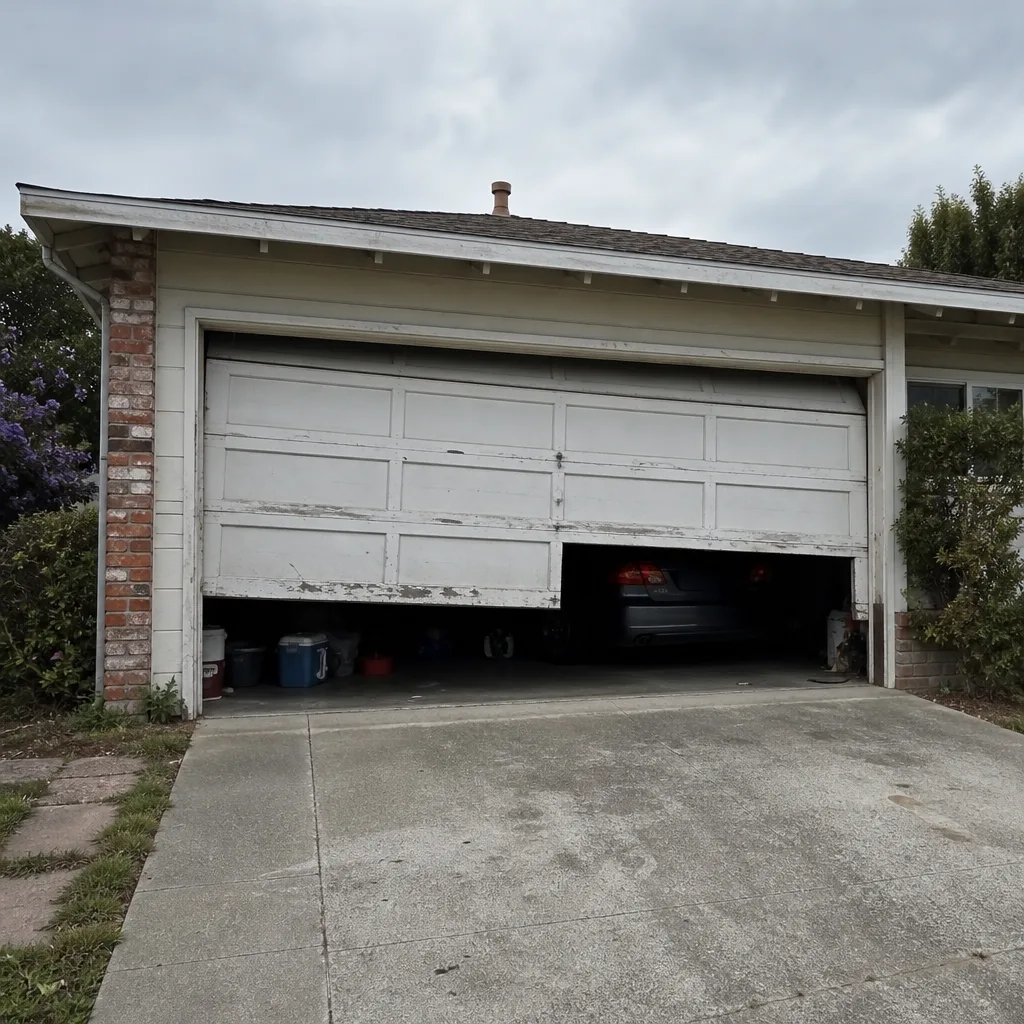 Before
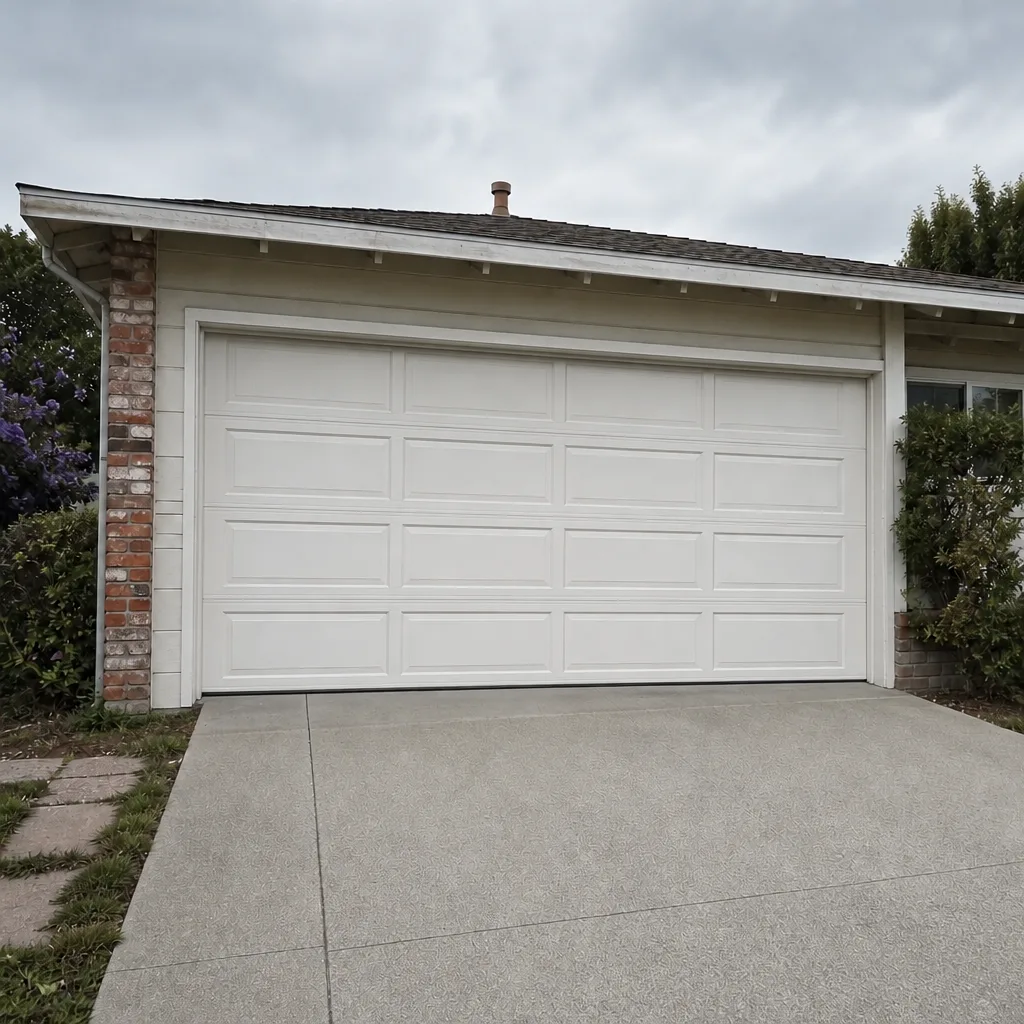 After
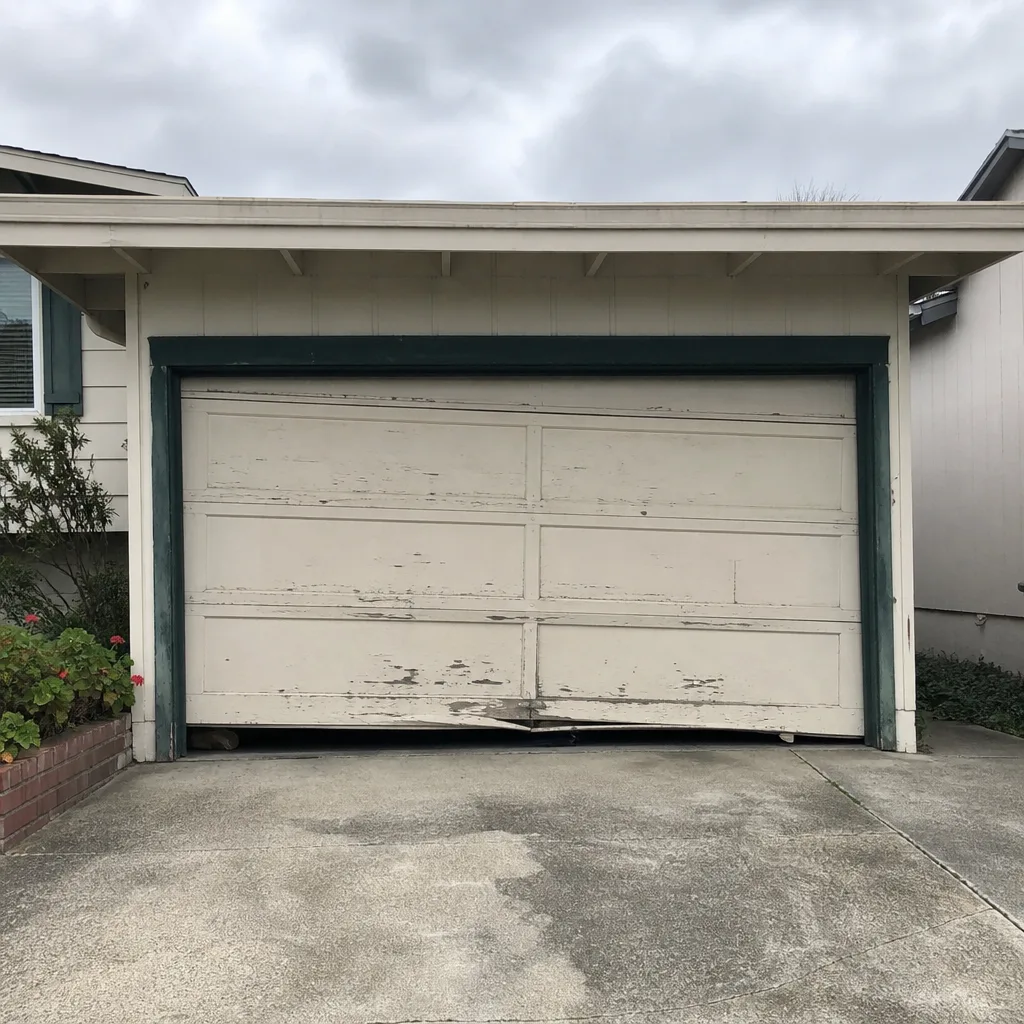 Before
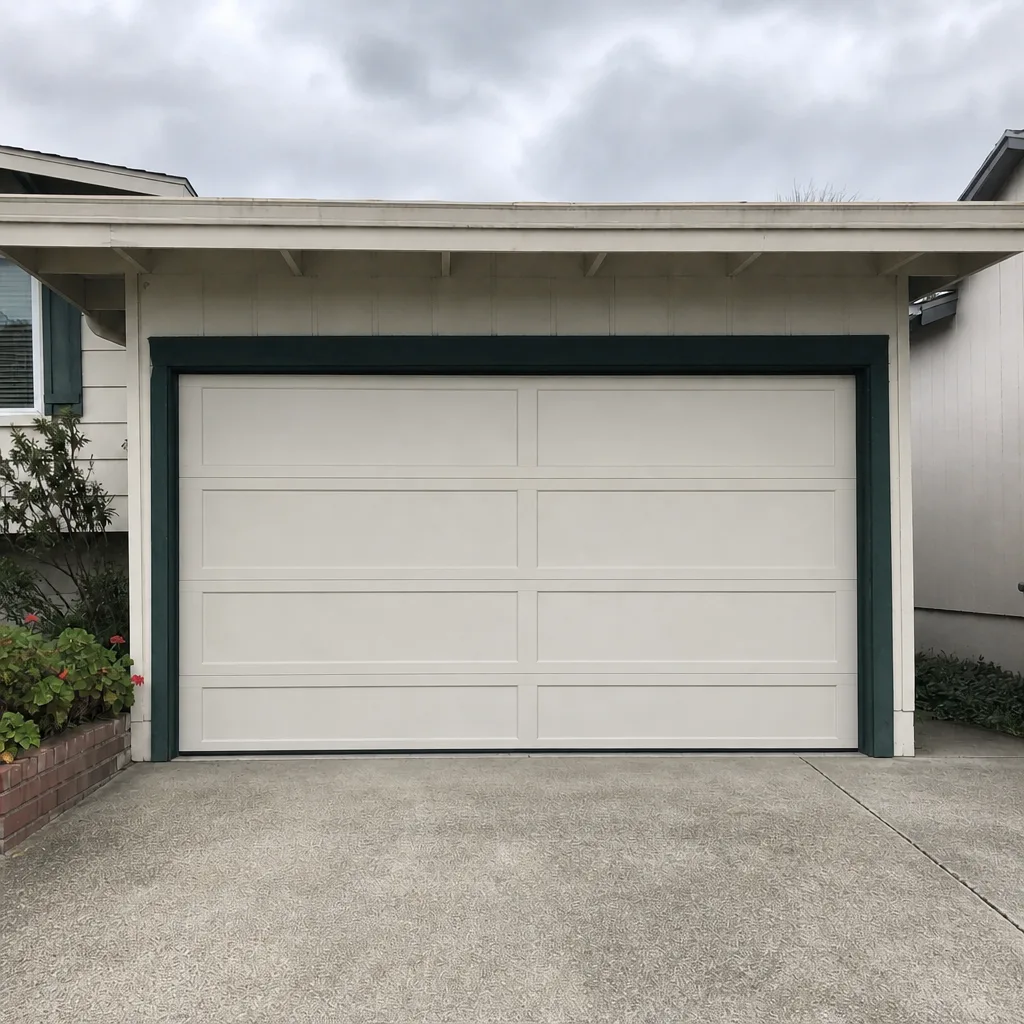 After
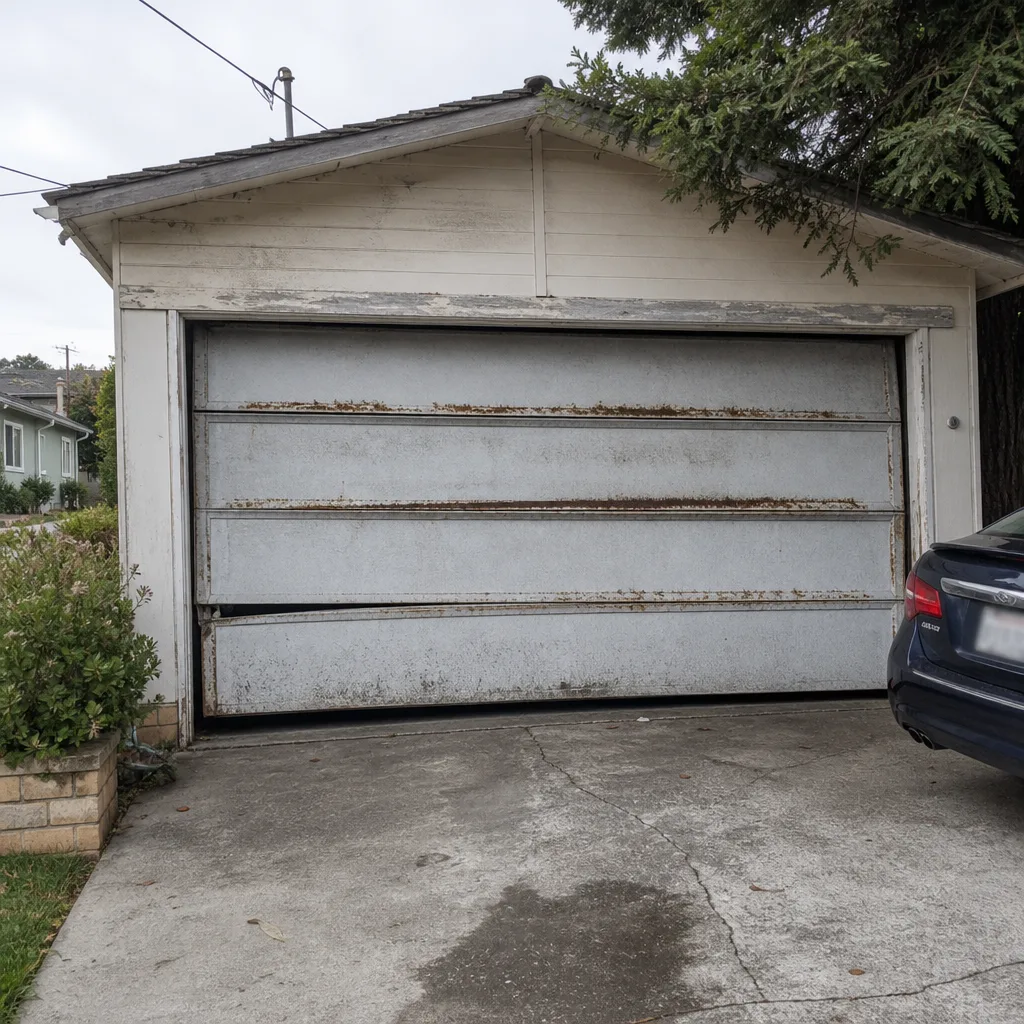 Before
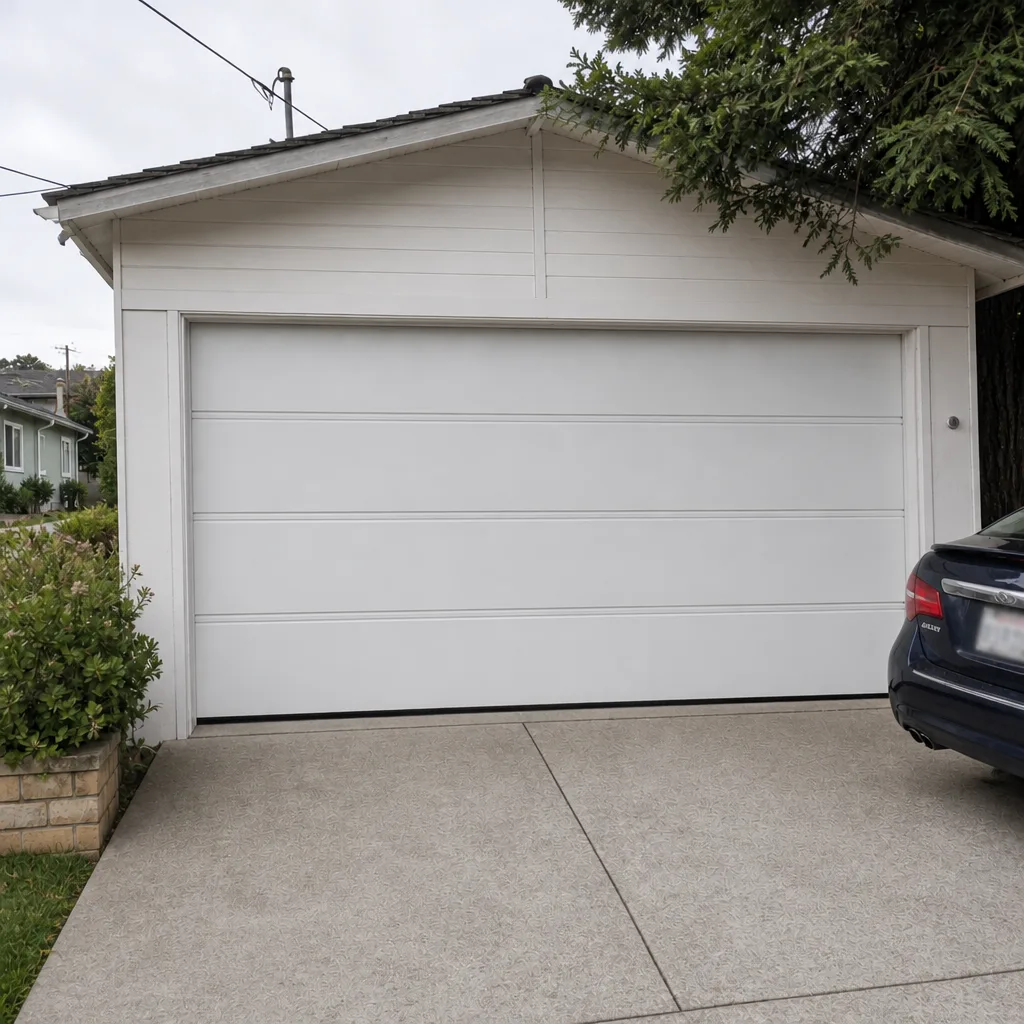 After