
Last updated November 4, 2026
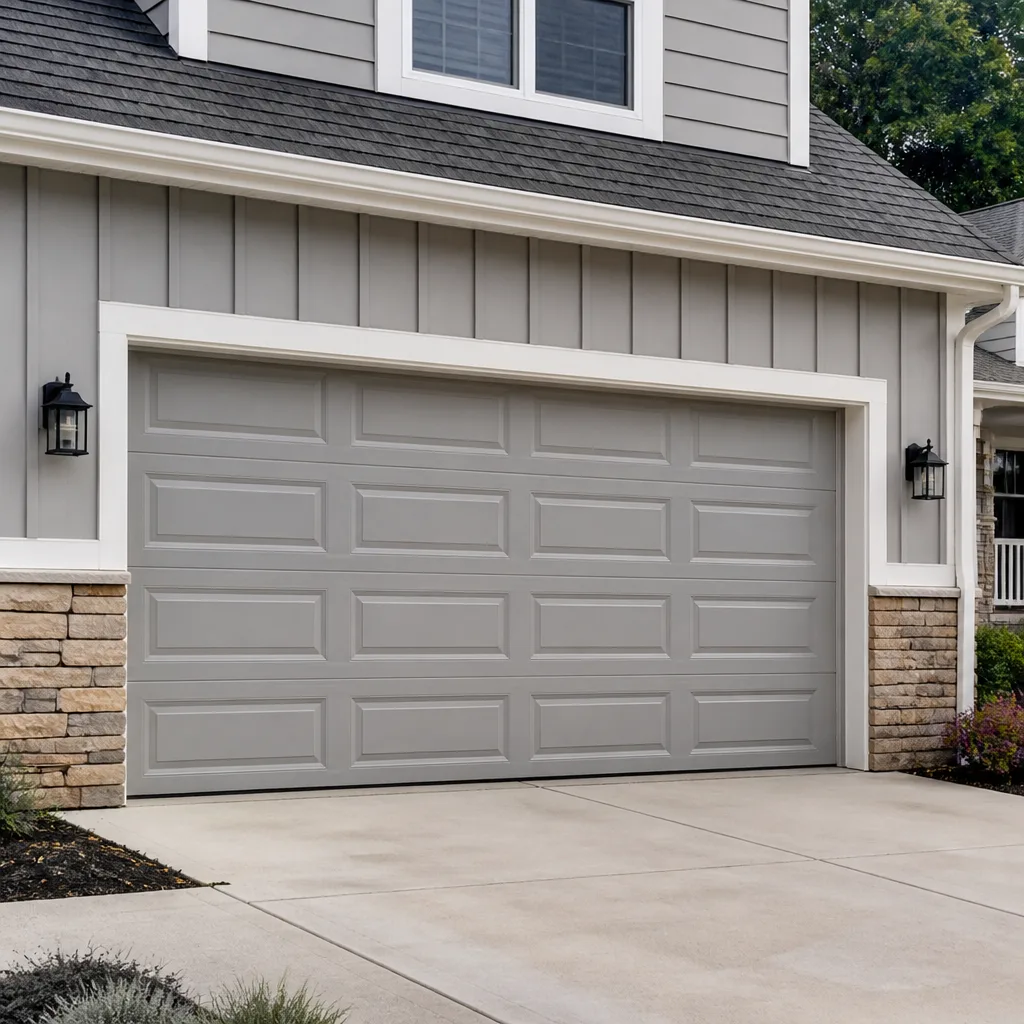 Raised-panel steel
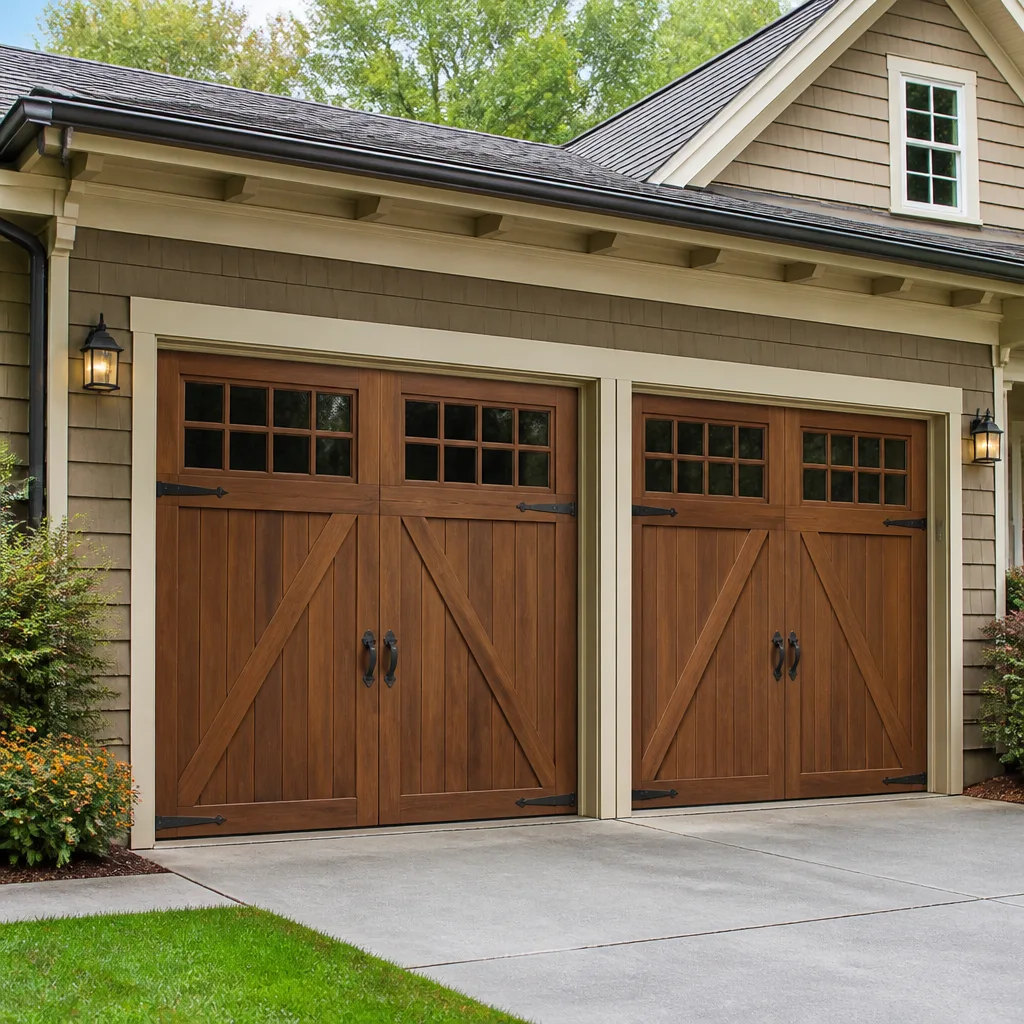 Carriage house
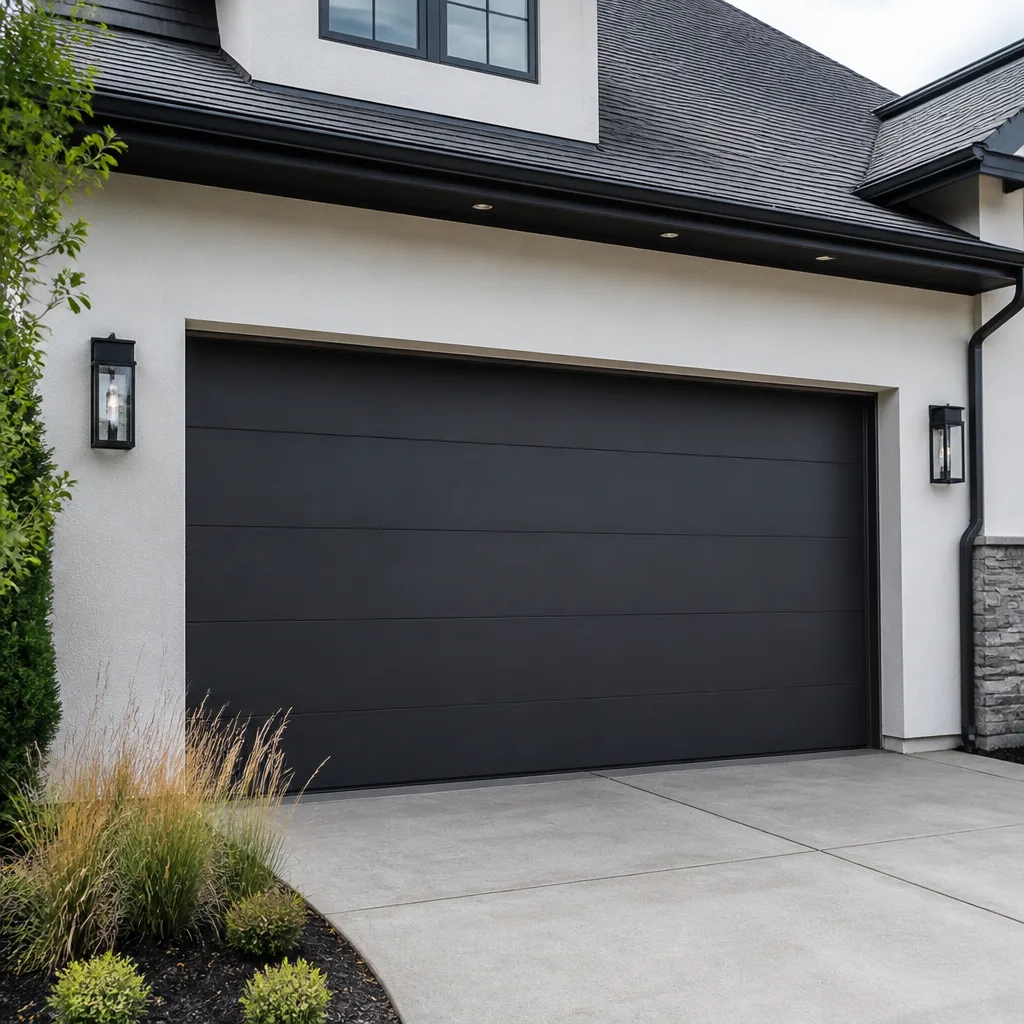 Modern flush
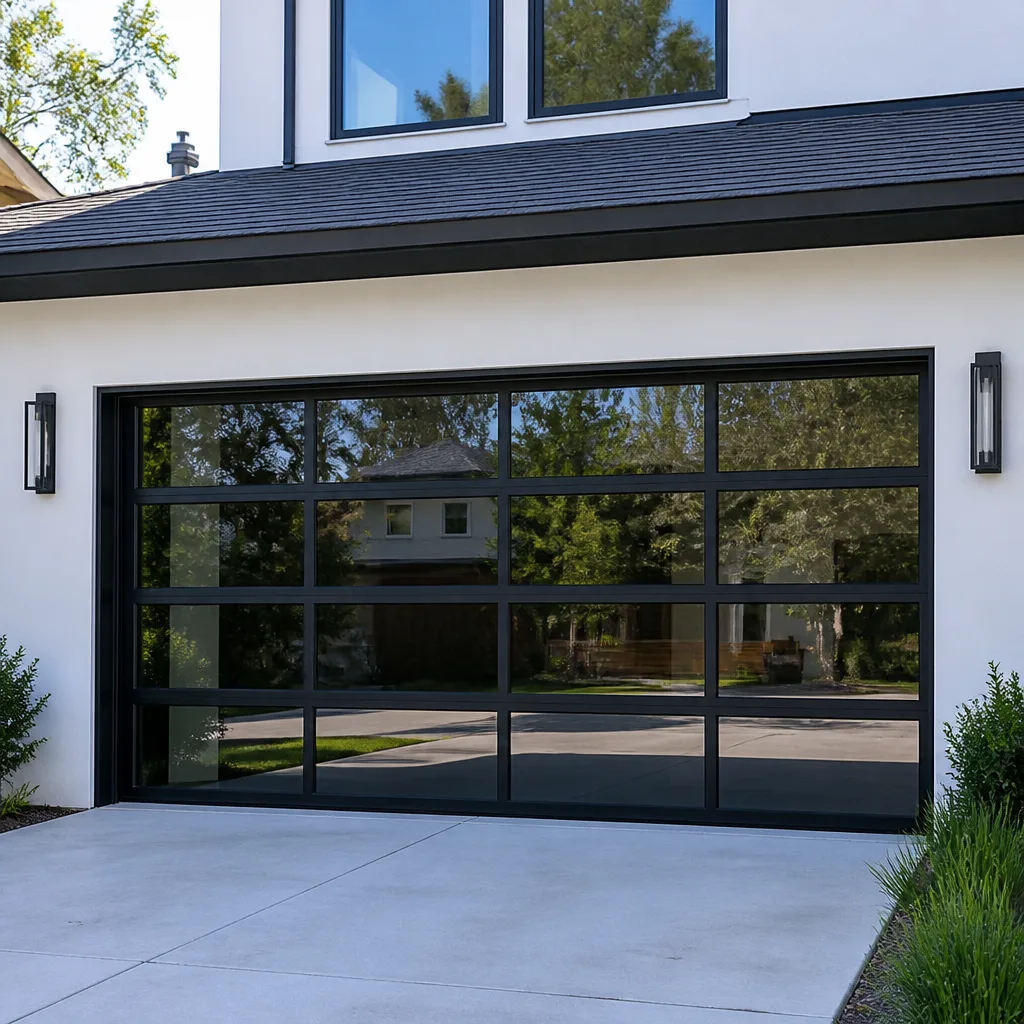 Full-view glass
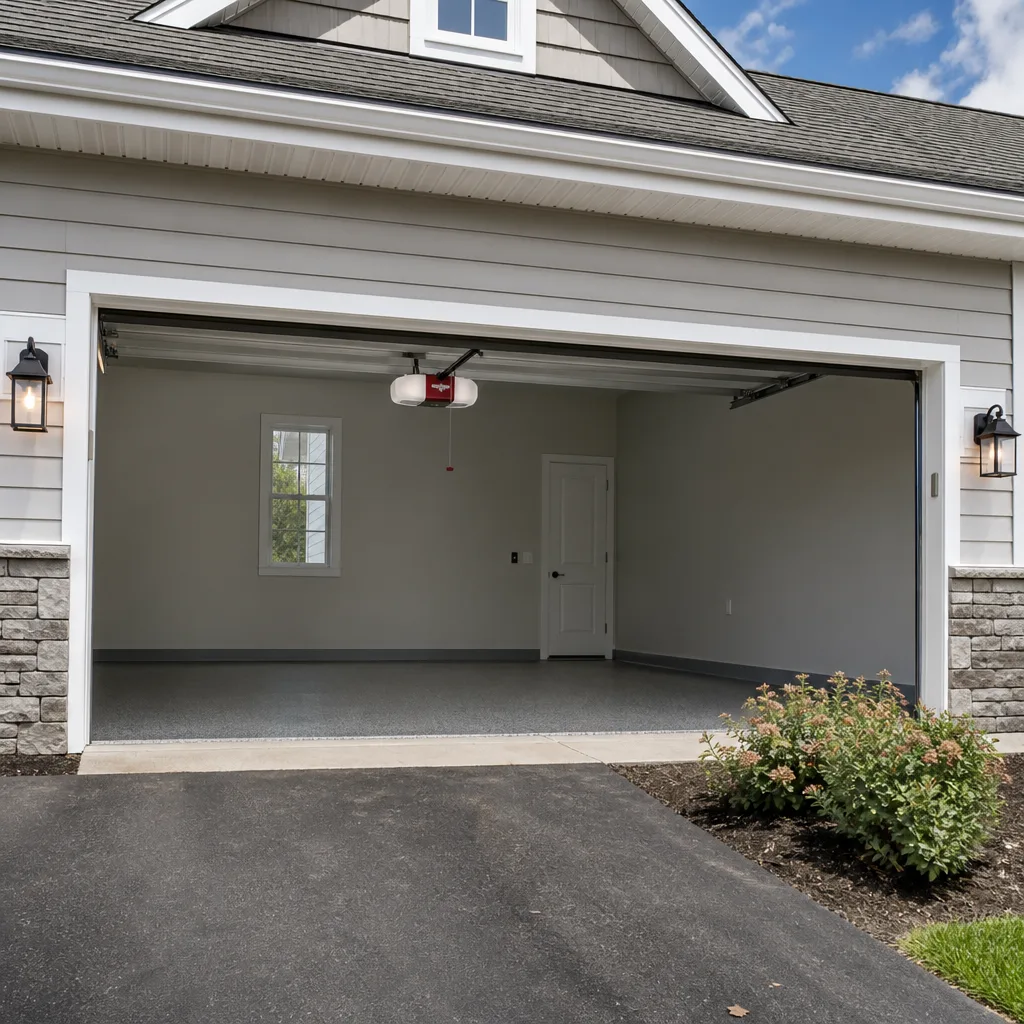 LiftMaster openers
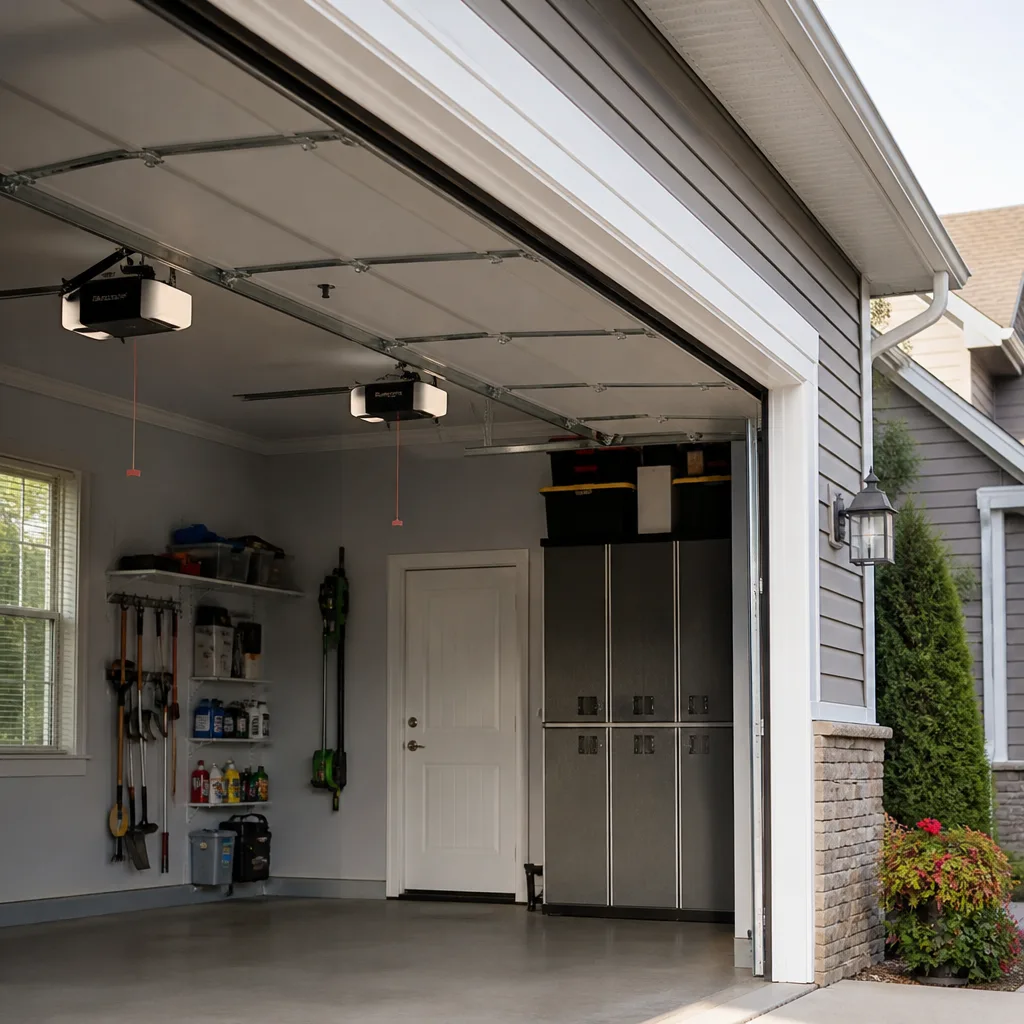 Chamberlain openers
Full 25-point door and opener safety check with every visit - springs, cables, rollers, tracks, and your LiftMaster or Chamberlain opener included
You get a price before we start. It does not change when the truck arrives.
Get your free estimateSeasonal Garage Door Care for San Carlos: Year-Round Homeowner’s Guide
Most seasonal maintenance advice written for garages assumes the door needs to survive a Minnesota winter or an Arizona summer. San Carlos doesn’t have either. What it has is a sequence of mild, almost forgettable weather patterns that quietly wear down hardware in ways homeowners never see coming. The counterintuitive truth is that a mild Peninsula climate is often harder on garage doors than a harsh one, because nothing dramatic ever happens to prompt a maintenance visit. The damage accumulates quietly, in the form of rust you don’t notice, seals that stiffen slowly, and tracks that shift a fraction of an inch each season. This guide walks through what actually happens to a garage door in San Carlos, quarter by quarter, and what to do about it before a minor wear item becomes a repair call.
Styles & brands we work with
- Raised-panel steel
- Carriage house
- Modern flush
- Full-view glass
- LiftMaster openers
- Chamberlain openers
Quick Answer
Seasonal garage door care in San Carlos comes down to four priorities: lubricating moving parts when summer heat thins out grease, clearing leaves and spider nests from sensors and bottom seals each fall, treating surface rust and checking weatherstripping through the damp winter months, and tightening brackets plus examining weatherstripping after spring winds. A consistent quarterly check, about 30 minutes each, prevents most of the failures we see on service calls across San Carlos.
Table of Contents
- Summer Heat and What It Does to a Garage Door in San Carlos
- Fall Debris: Leaves, Spiders, and the Sensors That Stop Working Quietly
- Winter Moisture and the Rust Sequence on Peninsula Hardware
- Spring Wind Load and the Stress It Leaves Behind
- A Quarter-by-Quarter Maintenance Checklist for San Carlos Homeowners
- What You Can Do Yourself vs. When to Call a Garage Door Specialist
- Common Mistakes to Avoid
- When to Call a Professional
- Frequently Asked Questions
- The Bottom Line
Summer Heat and What It Does to a Garage Door in San Carlos
San Carlos summers are warm but rarely extreme. The issue isn’t the peak temperature itself. It’s what sustained heat does to the materials and lubricants already in place on your door. Metal tracks expand. Grease thins. The opener motor works slightly harder against a door whose components have changed dimension by a few thousandths of an inch. Homeowners don’t notice any of this happening because nothing makes a loud noise. The door just runs a little rougher in August than it did in April.
In our experience servicing doors throughout San Carlos, summer is when we see the most opener strain issues that have been building for months. The motor doesn’t fail suddenly. It overheats gradually, cycle after cycle, because the door’s travel got stiffer as the lubricant degraded. By the time a homeowner calls, the opener has usually been laboring for weeks.
What to do in summer:
- Test the door’s balance by disconnecting the opener (with the door closed) and lifting the door manually. It should move smoothly and stay open about three feet off the ground when released. If it drops or feels heavy, the spring tension needs attention from a professional.
- Wipe down the tracks with a dry cloth to remove the fine dust that accumulates during dry months. Dust mixes with grease to form a gritty paste that accelerates roller wear.
- Apply a garage door specific lubricant to hinges, rollers, and springs. Avoid WD-40 for this purpose; it’s a solvent, not a long-term lubricant, and it strips the existing grease away.
- Inspect the rubber bottom seal. Heat can cause it to become less flexible, and a stiff seal doesn’t compress properly against the floor, letting in warm air and dust.
Summer is also the season when a door that was installed poorly starts to reveal itself. The combination of heat expansion and daily use finds loose bolts faster than any other time of year. A quick visual check of the brackets at each track’s mounting points takes two minutes and can prevent a more serious misalignment later.
Fall Debris: Leaves, Spiders, and the Sensors That Stop Working Quietly
Fall in San Carlos means leaves from oak and ornamental trees, and it means spiders looking for a dry place to build webs before the rains arrive. Both target the same vulnerable points on a garage door: the photo eye sensors near the floor and the bottom seal that runs along the door’s lower edge.
The sensors are the most common casualty. A single leaf resting against the sensor lens breaks the beam, and the door refuses to close. Spiders build nests inside the sensor housing, and the web diffuses the beam enough to cause intermittent failures. An intermittent sensor problem is the most frustrating kind, because the door works fine nine times out of ten and then refuses to close on the tenth attempt. The homeowner assumes it’s a wiring problem or a failing logic board. More often than not, it’s a web.
The bottom seal has a different problem. Leaves and debris pile up against the door, and as they decompose they hold moisture directly against the rubber. The seal begins to stiffen and crack. Once the seal has a split, it stops keeping water out, and the dampness reaches the bottom panel. On a wood door that’s the start of rot. On a steel door it’s the start of rust at the panel’s lower edge.
Fall checklist for San Carlos homeowners:
- Sweep the area directly in front of the garage door every few weeks. Don’t let leaves accumulate against the seal.
- Wipe each photo eye sensor with a dry cloth. Check for spider webs inside the sensor housing and remove them gently.
- Run the door through a full open-close cycle and watch whether it hesitates or reverses near the floor. If it does, clean the sensors first before assuming a mechanical problem.
- Inspect the bottom seal for cracks, especially at the corners where the seal bends the most.
- Look at the weatherstripping along the door’s side jambs. The fall is when gaps start to show, before winter moisture makes them matter.
This is also a good time to check the opener’s force settings. A door that has been running well all summer may have developed slight changes in travel due to temperature shifts. If the opener has to work harder to move the door, you’ll hear it. A quick listen during a full cycle tells you a lot.
Winter Moisture and the Rust Sequence on Peninsula Hardware
Winter in San Carlos is wet, but it doesn’t freeze. What that means for a garage door is moisture exposure without the benefit of a dry freeze to halt the oxidation process. Rust forms slowly and continuously on any exposed metal surface that isn’t protected.
The sequence usually goes like this: fall debris holds moisture against a metal bracket or the bottom of a panel. The moisture seeps under the paint or powder coating. Over a few weeks, rust begins. The homeowner doesn’t see it because it’s happening under the seal or behind a bracket. By spring, the rust has spread across the surface and the paint starts to bubble. By the time it’s visible, the metal underneath has already lost some of its integrity.
The hardware most vulnerable in San Carlos winters are the hinges, the spring mounting brackets, and the lower panel edges. Springs themselves are usually coated, but the anchor brackets that hold them under tension are often bare steel or have a thin zinc coating that wears over time. Once a bracket loses its coating, it’s on a slow path to failure. A rusted spring bracket under load is not something to ignore.
Winter maintenance priorities:
- Wipe down any exposed metal hardware after heavy rain. This takes a few minutes and removes the standing water that accelerates rust.
- Check for rust spots on panel edges, especially along the bottom. Surface rust can be cleaned and touched up with a rust-inhibiting paint. Don’t let it sit.
- Inspect the spring anchor brackets with a flashlight. If the bracket shows significant rust or flaking, have it evaluated. This is one repair to not postpone.
- Verify that the weatherstripping around all three sides of the door is still sealing. Water intrusion is the root cause of most winter rust.
- Run the opener on a rainy day and watch for any water dripping onto the motor or the electrical connections. Garage roof leaks often show up first as drip marks on the opener.
Moisture also affects wooden doors differently than steel ones. Wood swells when wet, and a door that fit tightly in October may bind slightly in January. If you hear rubbing or see scrape marks on the door’s edges, the door is expanding against the frame. Minor binding usually resolves as the wood dries, but repeated swelling seasons can loosen the hinges and change the door’s geometry permanently.
Spring Wind Load and the Stress It Leaves Behind
Spring in San Carlos brings wind, and wind is the most overlooked stressor on a garage door. A standard 16-foot-wide double garage door is a large flat surface, and even a moderate wind pushes hard against it. Every gust that hits a closed door exerts pressure that transfers to the track brackets, hinges, and the spring system.
Over the course of a windy spring, small amounts of flex accumulate. Bolts loosen. Bracket screws begin to work out of the wall. The door itself may shift slightly out of alignment, and that misalignment then causes uneven wear on the rollers every time the door cycles. The issue compounds. A door that wasn’t square in March will be visibly crooked by June.
Weatherstripping is the other spring casualty. Wind-driven rain pushes against the seals around the door’s edges, and any gap that existed will let water through. Once water gets past the weatherstripping, it’s inside the garage and working on the door’s interior side. The seal itself may also tear, particularly if it was already hardened from years of sun exposure.
Spring maintenance tasks:
- Tighten all visible bolts and screws on the track brackets and hinges. Use a socket wrench, not a screwdriver, for the bracket bolts.
- Examine each roller for wear. A roller with a flat spot or a chipped wheel will grind against the track and make the door noisier.
- Check the door’s alignment by looking at the gap between the door and the frame on both sides. The gap should be even from top to bottom. If it’s wider at one corner, the door needs realignment.
- Inspect the weatherstripping for tears, especially where the seal meets the concrete. Wind-driven rain will find any opening.
- Run the door and listen. A door that makes new noises in the spring is telling you something changed. Don’t ignore a new sound.
Spring is also the season when we recommend a professional tune-up for anyone who hasn’t had one in a year or more. A full inspection catches the small things that homeowners can’t see, and it gives you a baseline for the rest of the year.
A Quarter-by-Quarter Maintenance Checklist for San Carlos Homeowners
Here’s a consolidated seasonal checklist, calibrated to San Carlos weather patterns rather than generic national advice. Each quarter takes about 30 minutes.
Spring (March-May): Wind and alignment
- Tighten track bracket bolts and hinge screws.
- Inspect rollers for flat spots and replace worn ones.
- Check door alignment visually from both sides.
- Examine weatherstripping for tears and gaps.
- Listen for new noises during a full open-close cycle.
Summer (June-August): Heat and lubrication
- Test door balance by disconnecting the opener and lifting manually.
- Wipe track dust with a dry cloth.
- Lubricate hinges, rollers, and springs with garage door lubricant.
- Check the bottom seal for flexibility and cracks.
- Visually inspect mounting brackets for loosening.
Fall (September-November): Debris and sensors
- Sweep leaves away from the door’s base.
- Clean photo eye sensors and remove spider webs from housings.
- Run the door and watch for hesitation near the floor.
- Check bottom seal and side weatherstripping for cracks.
- Listen to the opener for signs of increased effort.
Winter (December-February): Moisture and rust
- Wipe down exposed metal hardware after heavy rain.
- Look for rust on panel edges and spring brackets.
- Inspect weatherstripping on all three sides for water intrusion.
- Check for drip marks on the opener or electrical connections.
- Watch for signs of wood swelling on wooden doors.
If you do these four checklists every year, the door will still need occasional professional attention, but the failures will be smaller and less expensive. A spring replacement or a track realignment is a much better outcome than a door that collapses or an opener that burns out.
What You Can Do Yourself vs. When to Call a Garage Door Specialist
Most of the maintenance we’ve described is safe for a homeowner to handle. Wiping sensors, lubricating hinges, tightening bolts, and inspecting seals are all routine. But there are two areas where we draw a hard line.
The first is springs. Torsion springs, the ones mounted on a metal rod above the door, are under tremendous tension. Even a small mistake in handling them can cause serious injury. We never recommend that a homeowner attempt to adjust, remove, or replace a torsion spring. This includes extension springs, which use a different mechanism but can be equally dangerous if they let go while stretched. If your spring is broken, call a garage door repair specialist. This is not a DIY job.
The second is electrical work on the opener. If an opener problem points to the motor, the logic board, or the internal wiring, leave it alone. Disassembling an opener to diagnose a circuit board issue is not maintenance; it’s a job for someone who works on these systems daily. Most garage door opener repair needs are simple mechanical issues, but the dangerous ones are always electrical.
Everything else on the quarterly lists above is fair game. The general rule, in our experience as garage door specialists serving San Carlos, is that a homeowner can clean, lubricate, and tighten. When something needs to be adjusted under tension or disassembled, that’s the line.
Common Mistakes to Avoid
- Using WD-40 on the rollers and hinges. WD-40 is a penetrating oil and solvent. It cleans off the existing grease, and the door runs rougher a week later. Use a garage door specific lubricant instead.
- Ignoring a noisy door because it still works. Noise is the earliest warning sign of a door problem. A door that grinds, scrapes, or squeaks is telling you something specific. Waiting until it stops working turns a small repair into a big one.
- Tightening the torsion spring hardware without training. This is one of the most dangerous things a homeowner can do. The spring is under enough tension to cause serious injury if the winding bar slips. Don’t touch it.
- Skipping the balance test because the door opens and closes. An opener can mask a failing spring for months. The door works because the motor is compensating. By the time the spring fully fails, the opener may have been damaged too.
- Replacing one spring instead of both. Springs wear at approximately the same rate. If one has failed, the other is usually near the end of its life. Replacing both at once costs more up front but prevents a second service call months later.
- Forgetting the photo eye sensors in a fall maintenance routine. Most “broken” garage doors in San Carlos during October and November are actually fine mechanically. The sensors are just dirty or blocked. Clean them before calling for service.
- Using the door as a shortcut when it’s misaligned. A door that scrapes or binds is wearing down its rollers and tracks every time it cycles. The longer it runs out of alignment, the more parts need replacing.
When to Call a Professional
Some problems show up on a seasonal inspection and should be turned over to a specialist immediately. A broken or visibly rusted spring is the most urgent. A door that jerks, sags to one side, or refuses to stay open has a tension or alignment problem that needs a trained hand. If the opener runs but the door doesn’t move, the issue could be the drive gear, the logic board, or the motor itself, and those are not homeowner diagnostics.
If your inspection turns up any of these signs, or if you’d simply like a professional tune-up and full inspection before a season changes, Rockport Garage Door Repair offers free estimates in San Carlos. Call (855) 393-4573. We answer 24/7. Fast dispatch from 7am to 7pm, Sunday through Friday.
Frequently Asked Questions
We recommend a homeowner-level inspection every quarter, following the checklists in this guide, and a professional tune-up once a year. The mild San Carlos climate doesn’t cause dramatic failures; it causes slow wear, and the quarterly checks catch that wear before it turns into a breakdown. Call (855) 393-4573 for a free estimate on a professional tune-up.
Use a garage door specific lubricant, usually a white lithium grease or a silicone-based spray designed for door hardware. Apply it to hinges, rollers, and the torsion spring. Avoid WD-40, which strips existing grease and leaves the door running worse. In our San Carlos service calls, we routinely see doors that were lubricated with the wrong product.
No. Torsion and extension springs are under enough tension to cause serious injury if they release unexpectedly. This is one repair where the danger outweighs any potential savings. A garage door repair professional has the training and tools to do the job safely.
The most common cause in San Carlos is debris or spider webs on the photo eye sensors near the floor. A clean wipe of the sensor lenses often fixes intermittent operation. If cleaning doesn’t resolve it, the sensor itself or the wiring may be failing, and that’s worth a professional look.
A tune-up typically includes a full inspection, lubrication, hardware tightening, balance testing, and minor adjustments. The price is set per job by a written estimate, and we quote the price before any work starts. Call (855) 393-4573 for a free estimate specific to your door.
We work on the brand you already have. Our technicians are certified to service LiftMaster, Chamberlain, Genie, Clopay, Amarr, Wayne Dalton, Craftsman, and Raynor systems, covering both mechanical door hardware and motorized opener platforms. Whether it’s the door, the drive, or the opener, we diagnose and fix the system you already own.
The Bottom Line
San Carlos doesn’t punish garage doors with extreme weather. It punishes them with mild, persistent conditions that homeowners discount: heat that thins grease, leaves and spiders that block sensors, moisture that feeds rust, and wind that stresses brackets. The fix for all of it is routine. Thirty minutes per season, focused on the right tasks, keeps a garage door running smoothly through every quarter. And when the list turns up something that’s beyond homeowner scope, a garage door specialist in San Carlos can diagnose and fix it before it becomes an emergency. A well-maintained door is a quiet door. If yours isn’t, it’s telling you something.
Written by the team at Rockport Garage Door Repair, serving San Carlos since 2014.
See the difference
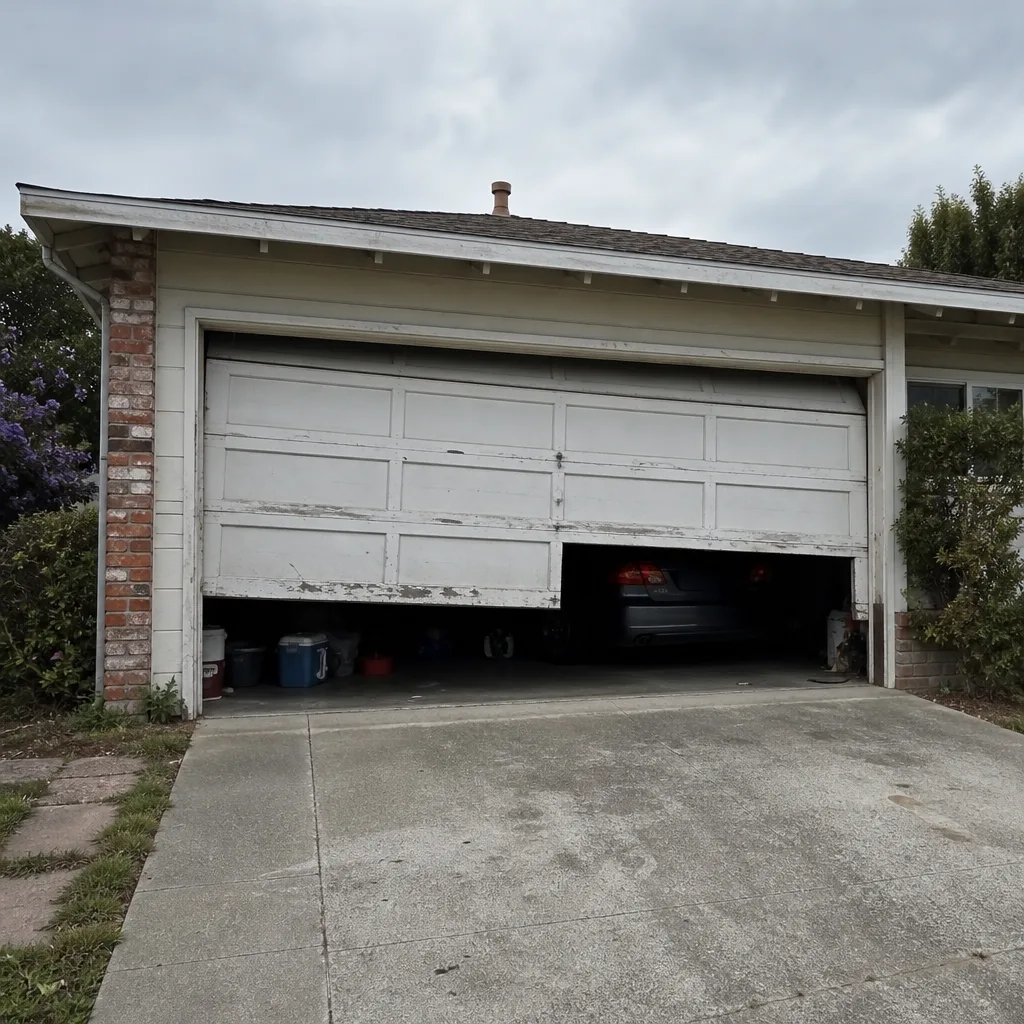 Before
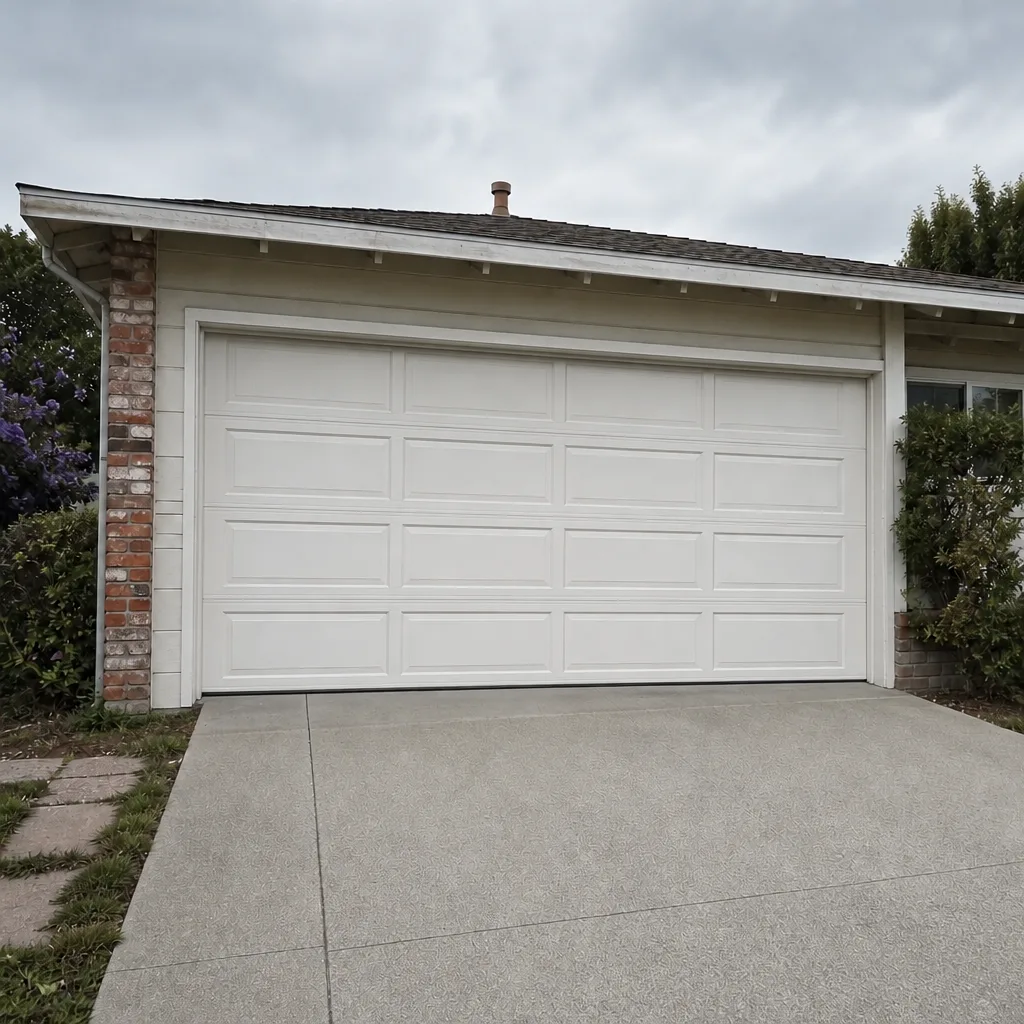 After
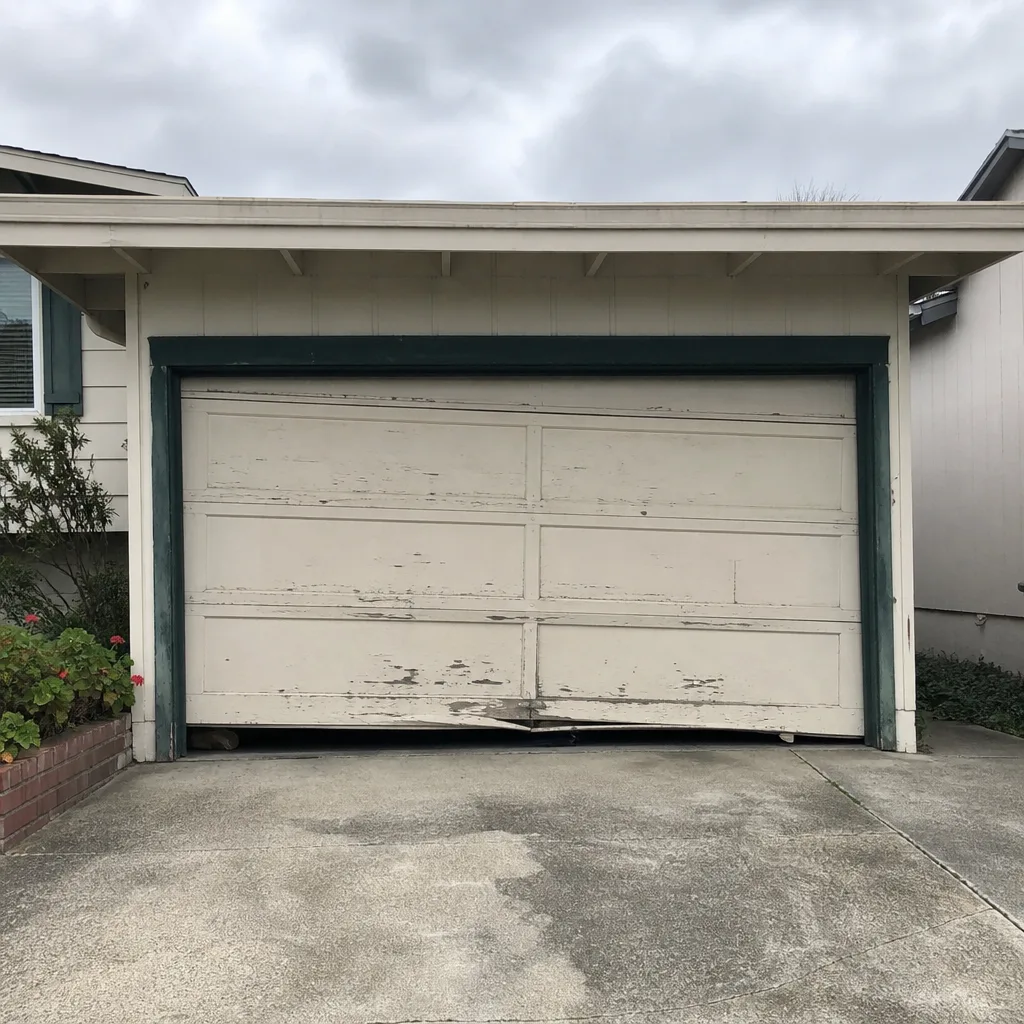 Before
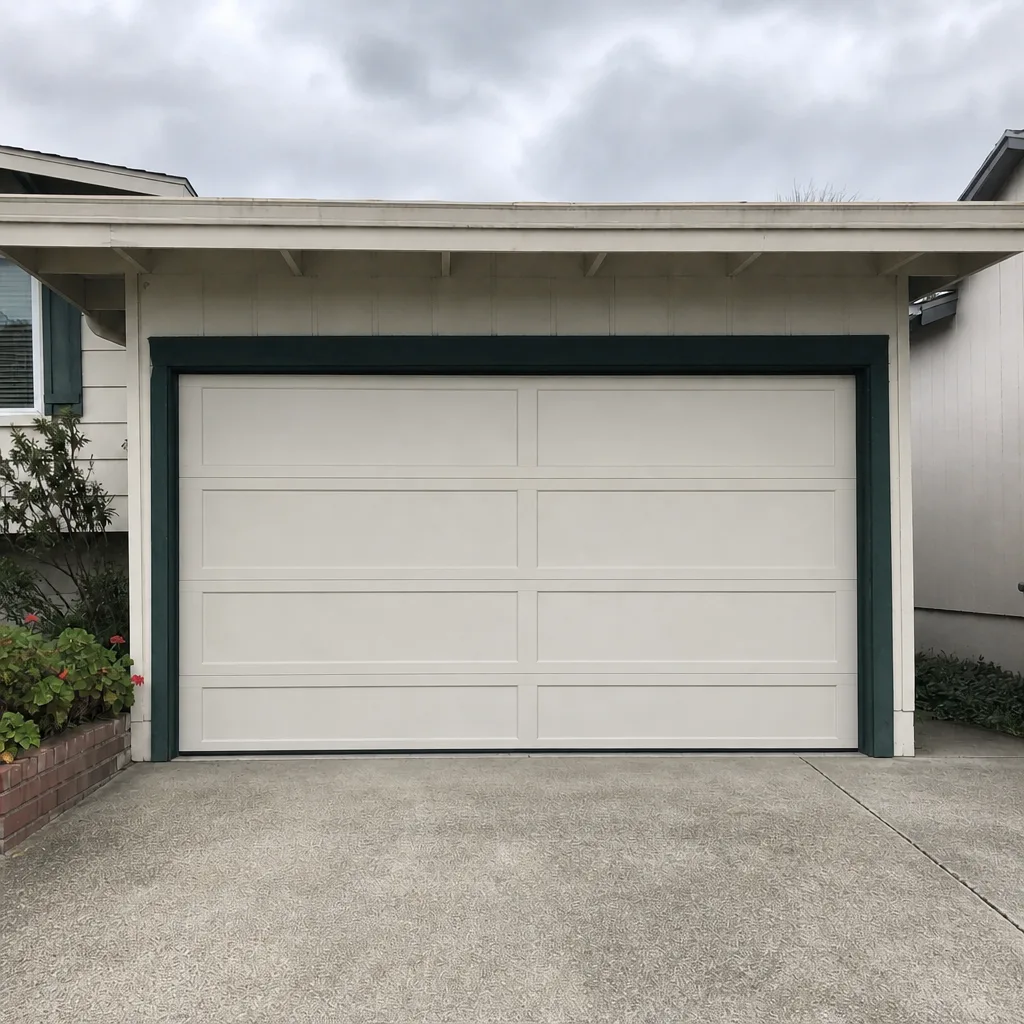 After
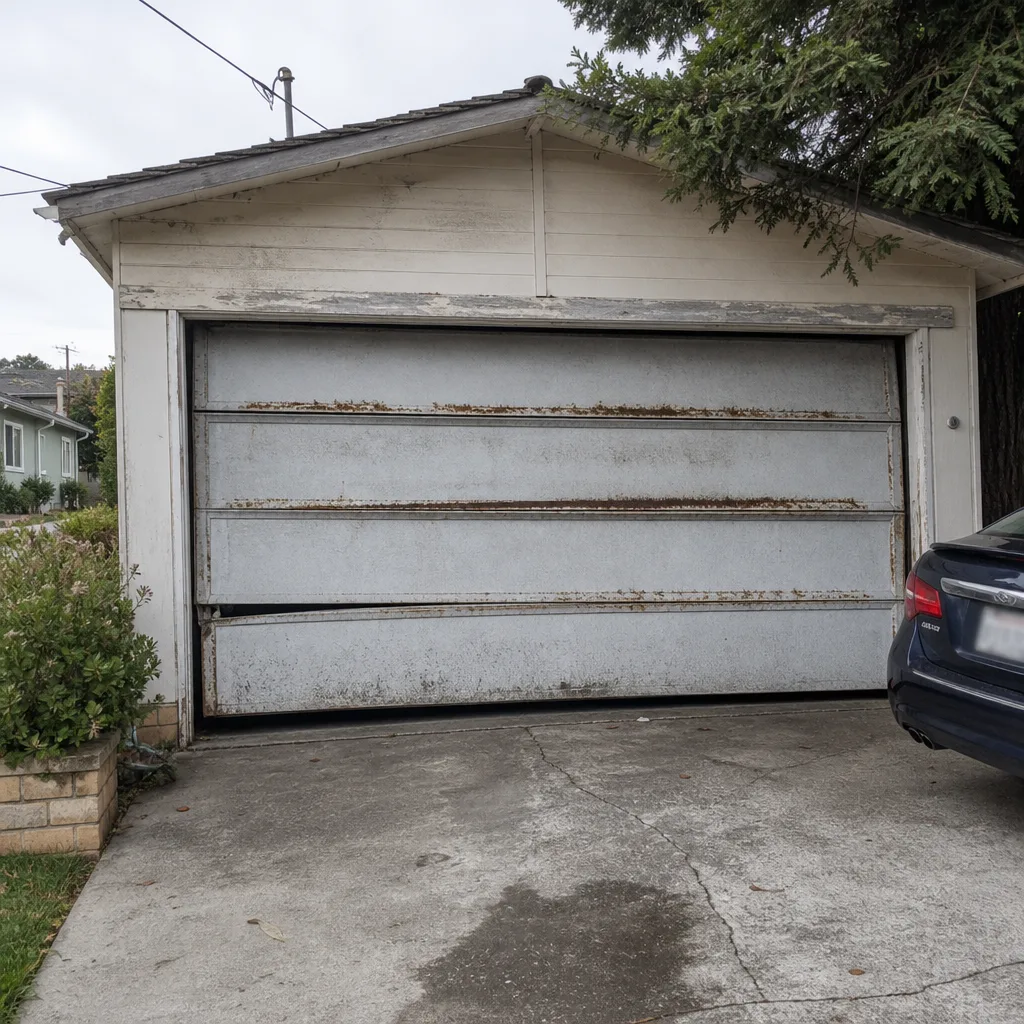 Before
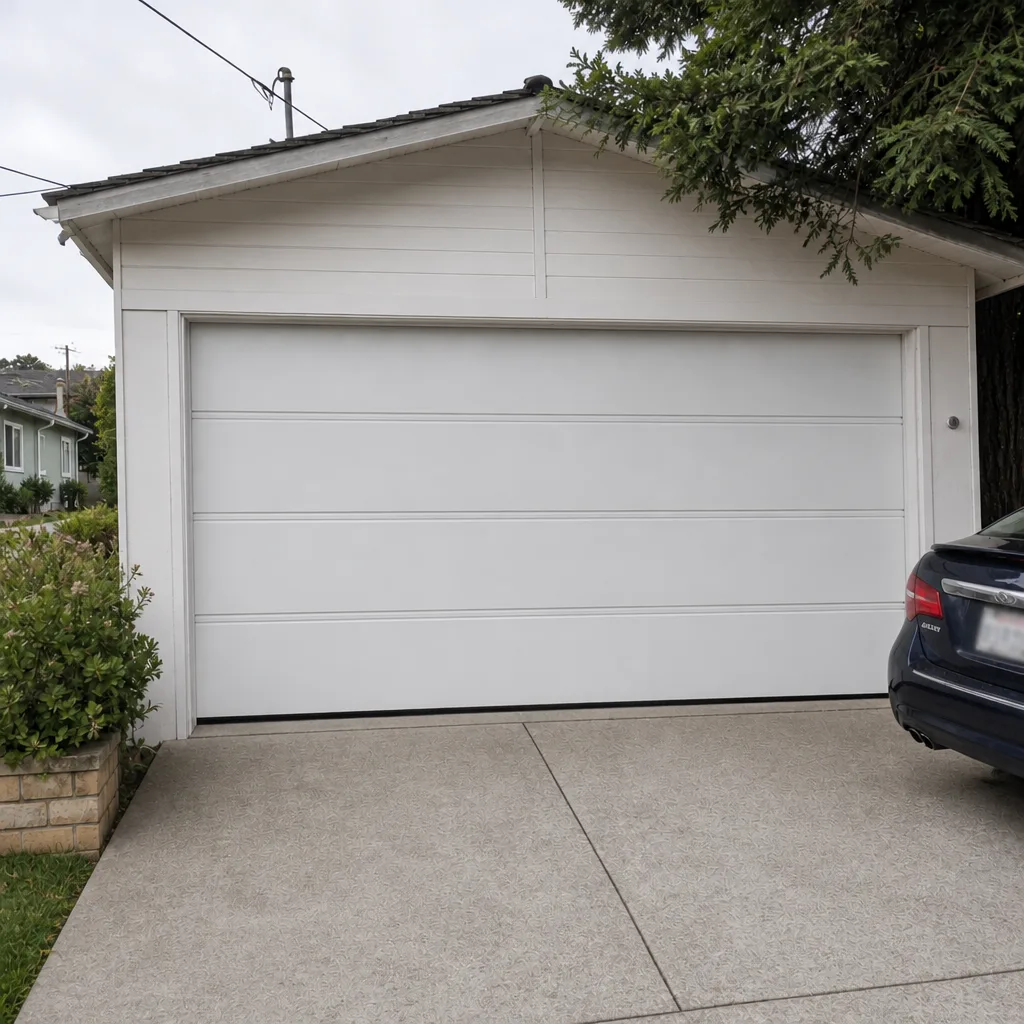 After