
Last updated November 4, 2026
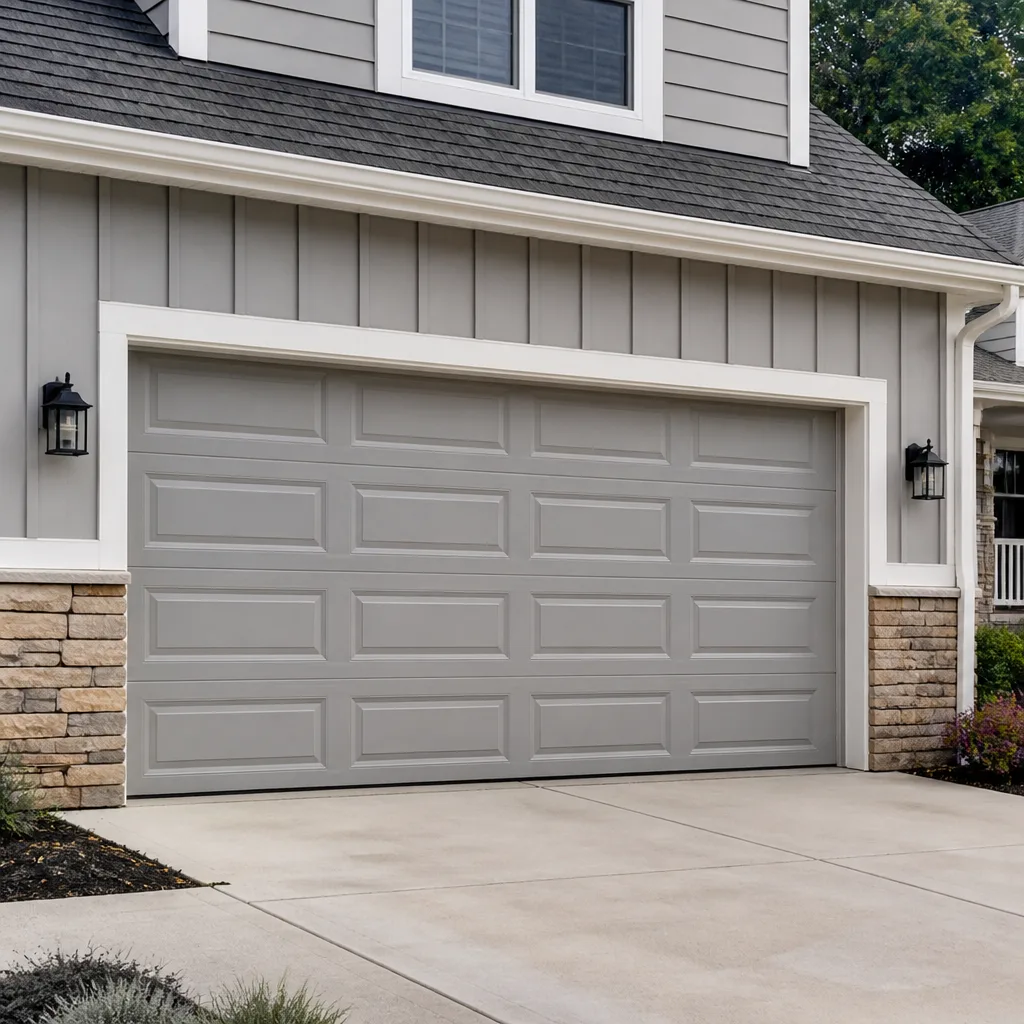 Raised-panel steel
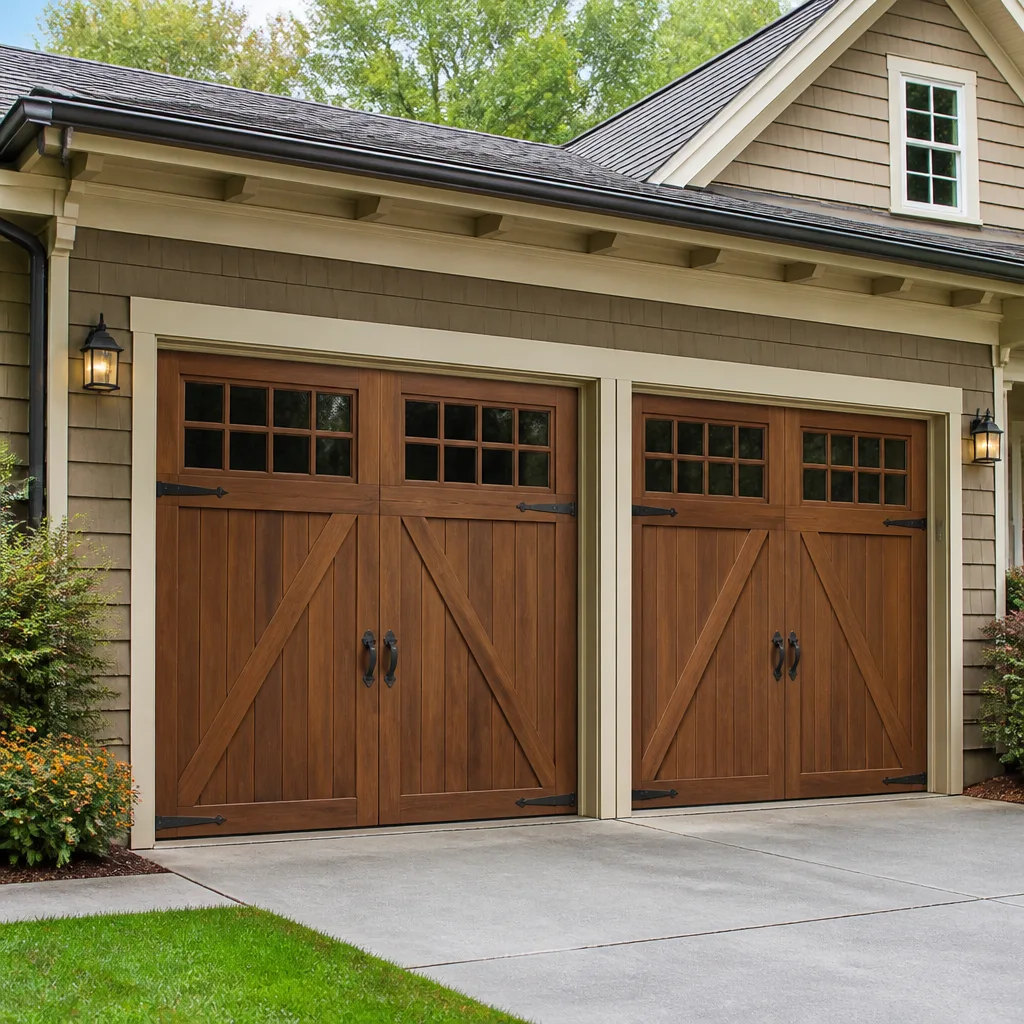 Carriage house
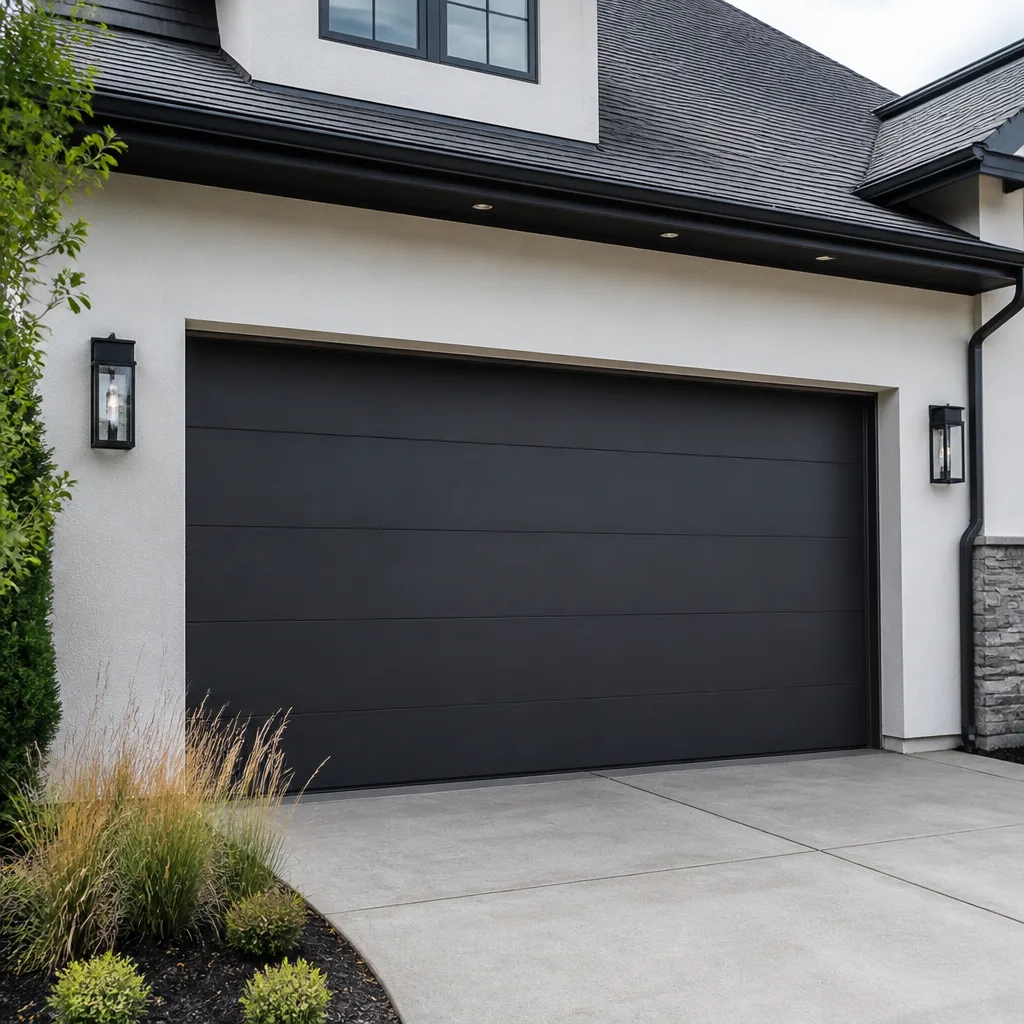 Modern flush
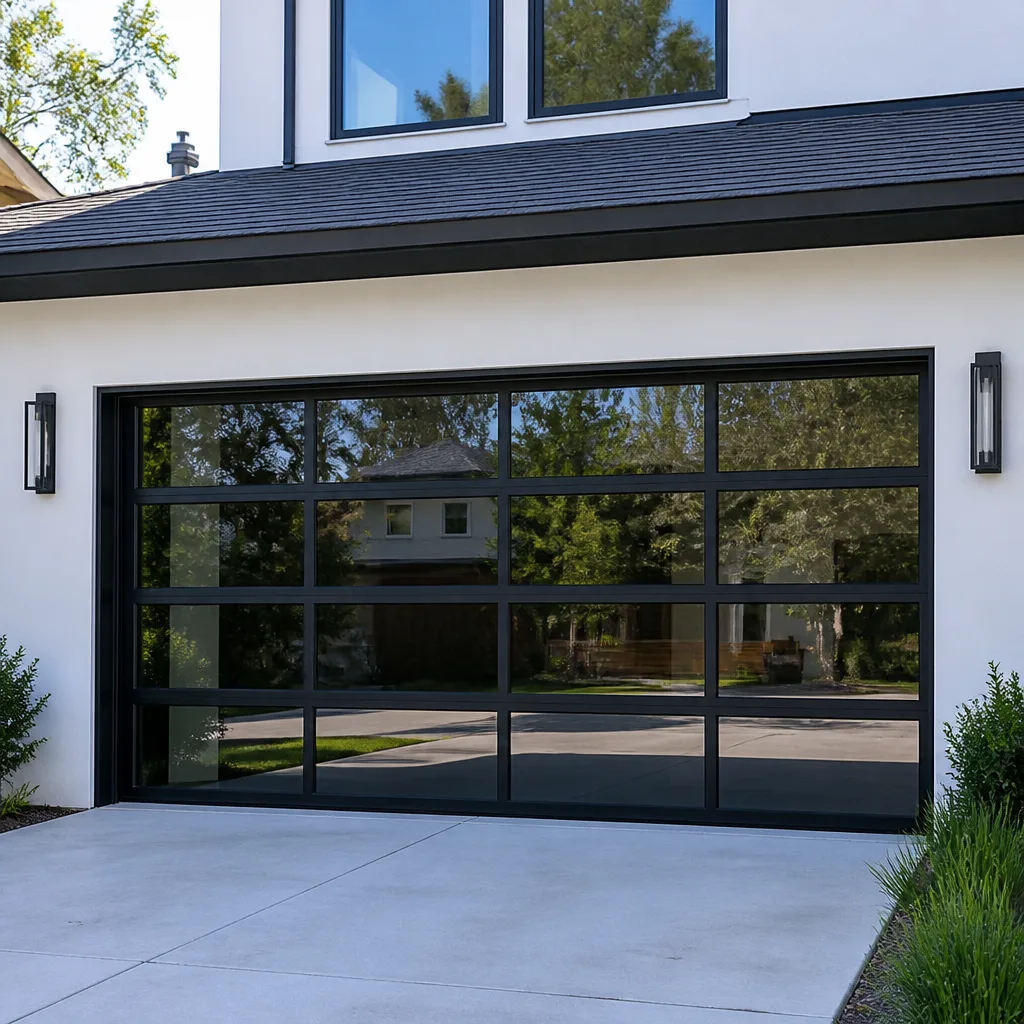 Full-view glass
 LiftMaster openers
 Chamberlain openers
Full 25-point door and opener safety check with every visit - springs, cables, rollers, tracks, and your LiftMaster or Chamberlain opener included
You get a price before we start. It does not change when the truck arrives.
Get your free estimateGarage Door Repair Maintenance Schedule: What to Do and When
Most maintenance guides tell you to lubricate your garage door every six months, as if the door knows what month it is. But a garage door used four times a day ages twice as fast as one used twice a day. The calendar is a poor proxy for wear. What actually matters is cycle count, seasonal temperature shift, and the specific humidity patterns we get here in San Carlos. This guide replaces the generic “every spring and fall” checklist with a framework tied to how your door actually accumulates stress, so you can catch problems before they become repair calls.
Quick Answer
A garage door maintenance schedule should be built around cycle count and seasonal transition, not calendar months. Most San Carlos homeowners should lubricate moving parts every 3,000 to 4,000 cycles (roughly every 9 to 14 months for typical use), inspect springs and cables every 1,500 cycles, and have a specialist check spring tension, cable wear, and opener force settings at the fall transition when temperature swings alter metal tension. A simple once-a-month visual check takes five minutes and catches most early failures.
Styles & brands we work with
- Raised-panel steel
- Carriage house
- Modern flush
- Full-view glass
- LiftMaster openers
- Chamberlain openers
Table of Contents
- Why Cycle Count Beats Calendar Months
- The Five-Minute Monthly Visual Check
- Lubrication: What to Use and When to Skip It
- The Fall Transition: What to Inspect When Temperatures Shift
- Three Components That Need a Specialist’s Eye
- How to Keep a Maintenance Log That Actually Helps
- How Maintenance Supports a Warranty Claim
Why Cycle Count Beats Calendar Months
Your garage door’s service life is measured in cycles, not years. A cycle is one full open and one full close. A typical torsion spring is rated for around 10,000 cycles. A homeowner who uses the door twice a day reaches that in about 13 years. A family using it six times a day, with kids going in and out and cars coming and going, reaches it in under five. The door does not care what the calendar says. What it knows is how many times the spring has wound and unwound, how many trips the rollers have made along the track, and how many shifts the cables have absorbed.
Estimating your annual cycle count is straightforward. Think through a normal day. The door opens when the first car leaves, closes, opens again when the second car leaves, closes. That is two cycles before 8 a.m. Add an open and close for a returning car at midday, another two for the afternoon school run, and two more in the evening, and you are at six or seven cycles. Multiply a typical day by 365. A two-car household in San Carlos commonly lands between 1,800 and 2,500 cycles per year. Heavier use homes can exceed 4,000.
Use that number to set inspection intervals:
- Under 1,500 cycles per year: lubricate annually, specialist inspection every 18 months.
- 1,500 to 3,000 cycles per year: lubricate every 9 to 12 months, specialist inspection annually.
- Over 3,000 cycles per year: lubricate every 4 to 6 months, specialist inspection twice a year.
We work on the brand you already have, whether it’s a Clopay door on a LiftMaster opener or a Wayne Dalton paired with a Genie, and the cycle math is the same across all of them. What changes is how each brand tends to wear, which is where experience with a specific system shortens the diagnostic time.
The Five-Minute Monthly Visual Check
This is the highest-value maintenance habit you can build, and it costs nothing but five minutes. Do it the first weekend of every month. You are not fixing anything during this check. You are looking for change, and change over time is the most reliable early warning signal a garage door gives.
Here is the sequence we recommend:
- Run the door once and listen. Note the baseline sound. A healthy door is a low mechanical hum with a consistent rhythm. Grinding, scraping, popping, or a change in pitch from last month is information. Do not tune it out as normal.
- Watch the door for balance. The door should lift smoothly without jerking or hesitating. A door that lurches, stalls, or sounds like it is struggling at a specific point in the travel is telling you something about the spring, the track, or the opener.
- Look at the cables. The steel cables on each side should be taut and lying flat in the cable drums. Frayed strands, gaps, or any sign of the cable lifting away from the drum means a specialist visit, not a DIY adjustment.
- Check the rollers. Nylon rollers with a smooth wheel surface are fine. Cracked wheels, flat spots, or visible bearing wear mean replacement before the roller binds and damages the track.
- Scan the track and hardware. Look for loose bolts, track sections that have shifted, or wear marks on the track itself. A wear mark where a roller touches metal is normal; a deep groove is not.
In San Carlos, most homes have attached garages that act as secondary entries, so garage doors here see more daily cycles than doors in communities where the garage is a storage space and the front door gets the traffic. That makes the monthly check more valuable here, not less.
Lubrication: What to Use and When to Skip It
Every garage door owner eventually hears that lubrication is the single most important maintenance task. That is true, with a caveat most generic guides miss: the type of lubricant matters as much as the frequency, and the Bay Area’s marine-layer humidity changes the calculation. A petroleum-based lubricant, the kind you might have in a can in the garage for other household jobs, attracts dust and grit. In San Carlos, where summer mornings bring damp air and afternoons dry out, that grit-laden lubricant turns into a grinding paste inside the rollers and hinges. It accelerates wear instead of preventing it.
What you want is a dry silicone or lithium-based garage door lubricant designed for this specific application. It penetrates the pivot points, leaves a light protective film, and does not become a dust magnet. Look for a product labeled specifically for garage doors, or a white lithium grease spray.
Lubricate these points, in this order:
- Rollers. A short spray at the bearing point where the wheel meets the stem, not the wheel surface itself. The wheel needs to roll; lubricating the rolling surface just spreads grease onto the track.
- Hinges. A spray at each pivot point on every hinge section. This is where most door noise originates.
- Springs. For torsion springs, a light coating along the coil to reduce friction between the coils as they wind and unwind. Do not soak it.
- Track. Actually, skip the track entirely. A common myth is that the track needs grease. It does not. The rollers roll on the track. Grease on the track collects debris and creates resistance. If you have already greased the track, wipe it clean.
Skip the chain or belt on the opener unless the manufacturer guide for your Chamberlain, LiftMaster, or Genie unit specifically calls for it. Modern belts need no lubrication, and chains need only a light maintenance coat if they start showing surface rust.
The Fall Transition: What to Inspect When Temperatures Shift
San Carlos does not get the freeze-thaw cycles that stress garage doors in colder climates, but it does get a meaningful temperature swing between our mild summers and cooler autumn nights. That swing matters for one reason most homeowners never consider: metal expands and contracts with temperature, and your spring tension is calibrated at a specific temperature. When autumn arrives and the average temperature drops 15 to 20 degrees from a summer afternoon, the spring steel tightens slightly. That shifts the balance point of the door.
A door that was perfectly balanced in August may drift slightly in October. You might notice the door not staying in place when you disengage the opener and lift it manually, or the opener motor sounding like it is working harder than it did in July. That is the temperature talking, not necessarily a failing spring. But it is also the ideal moment to recalibrate.
At the fall transition, do this:
- Disengage the opener using the red release handle, and lift the door manually to waist height. It should stay put. If it falls or rises on its own, the spring tension needs adjustment by a specialist.
- Run the door and watch the bottom edge as it closes. It should meet the floor evenly. A gap on one side or the other suggests a track or cable issue.
- Inspect the weatherstripping along the bottom and sides. San Carlos autumns can bring damp mornings, and worn weatherstripping lets that moisture reach the door’s metal components and the garage interior.
Spring tension adjustment is not a DIY job. Torsion springs store enough energy to cause serious injury if they release unexpectedly. This is the one maintenance task we firmly recommend leaving to a trained technician, and we say that as garage door specialists who have seen the results of well-meaning DIY spring work.
Three Components That Need a Specialist’s Eye
Visual inspection catches obvious wear. But three components fail in ways that are invisible until the failure is already underway, and missing the early stage is what turns a $50 roller replacement into a $400 track repair. These are the things we look at most closely when we do a full inspection in San Carlos.
Spring fatigue. A torsion spring losing tension does not always show visible gaps or breaks. It can simply deliver less lift force over time, which shows up as an opener working harder than it should. A technician can measure the spring’s torque and compare it to the door’s weight. If the spring is fatigued but not broken, replacement is straightforward and prevents the day the door slams shut under its own weight.
Cable wear at the drum. You can inspect the visible cable runs, but the area where the cable wraps around the drum at the end of the torsion tube takes wear you cannot see without getting up close. A cable that looks fine at eye level can be abraded inside the drum. Cables under tension are dangerous to handle; a frayed cable releasing while under load can cause serious injury. Inspection and replacement belong with a professional.
Opener force settings. Modern openers from LiftMaster, Chamberlain, and Genie use force-sensing technology to reverse the door if it hits an obstruction. Those sensors drift over time as the door’s balance changes and the motor compensates. An opener set too high in force will not reverse when it should, which is a safety issue for a family with kids or pets. Testing and adjusting force settings is specialist work.
Garage door repair that finds these issues before they fail is always cheaper than the emergency call after a spring breaks or a cable snaps.
Opener Maintenance: When the Motor Needs Attention
Homeowners tend to think of the opener as a separate appliance, but it is the component that interacts with every other part of the system. A door that is slightly out of balance forces the opener to work harder on every cycle, which shortens the motor life. An opener with worn gears creates strain on the door hardware. Maintenance on the opener is maintenance on the door.
Opener-specific maintenance includes:
- Checking the safety reverse sensors, the two small units near the floor on each side of the door. They should be aligned, clean, and firmly mounted.
- Testing the auto-reverse mechanism by placing a roll of paper towels under the door and closing it. The door should reverse on contact. If it does not, call for service before using the door again.
- Removing the cover and checking for accumulated dust or debris inside the motor housing, particularly in San Carlos where dry summer dust settles into garage spaces.
- Verifying that the emergency release handle still functions, so you can open the door manually during a power outage.
When we handle garage door opener repair, we treat it as its own specialty, not an add-on to a door call. A generalist replaces the unit and hopes the problem goes away. We test the entire system, because opener symptoms often originate in the door itself.
How to Keep a Maintenance Log That Actually Helps
A maintenance log becomes valuable the second time a problem appears, because the first question any good technician asks is “when did this start, and what was done last time?” Most homeowners cannot answer precisely. A log fixes that and turns future diagnostics from guesswork into a timeline.
Keep it simple. A notes app, a spreadsheet, or a piece of paper taped inside the garage cabinet all work. Log these entries:
- Every lubrication. Date and product used. If a new noise appears three weeks later, the technician knows what was applied and when.
- Every visual check that found something. Even minor observations, like “door hesitated slightly at midpoint” or “roller on left side looks cracked.” Patterns across entries are diagnostic gold.
- Every repair or part replacement. Date, part, brand, and who did the work.
- Every time the door behaves differently. A new noise, a slower open, a door that reverses unexpectedly. These are not random events; they are data points.
A log also protects your investment if a component fails early. Springs, cables, and openers all carry manufacturer warranties, but warranty claims are easier when you can show that the door received appropriate maintenance at reasonable intervals. A garage door from Clopay or Amarr with a documented history of lubrication and inspection is a stronger warranty position than one with no paper trail.
How Maintenance Supports a Warranty Claim
Most garage door and opener brands, including Clopay, LiftMaster, and Genie, offer warranties that cover defects in materials and workmanship for a set period. What many San Carlos homeowners do not realize is that those warranties have maintenance expectations built into the fine print. If a component fails from neglect, a rusted hinge or a bone-dry roller, the manufacturer may deny the claim.
Your maintenance log is the evidence that shifts a claim from “he said, she said” to “here is the documented history.” When a spring rated for 10,000 cycles fails at 4,000, the manufacturer will want to know the door was lubricated and the spring was inspected. If you can show dates, products, and observations, the claim moves faster and more favorably.
Keep receipts for lubricants and replacement parts. Take a photo of the door interior during your monthly check, even if everything looks fine. The photo timestamps the inspection. This is not paranoia; it is record-keeping that takes 30 seconds and can save hundreds if a component fails prematurely.
The team at Rockport Garage Door Repair works on all eight major brands, from the door panels to the drive and the opener, so we can also help you understand what your specific warranty covers and whether a failing component falls inside it.
Common Mistakes to Avoid
- Lubricating the track. The track is not a bearing surface. Grease on the track collects dust, creates resistance, and causes the exact problem you are trying to prevent. Keep the track clean and dry, and lubricate only the rollers, hinges, and springs.
- Ignoring a new noise because the door still works. A grinding roller, a popping spring, or a squealing opener is never nothing. It is a component asking for attention before it fails completely. Addressing the noise early is almost always cheaper than addressing the failure.
- Replacing one spring instead of a matched pair. When one torsion spring breaks, the other has endured the same cycles and is near the end of its life. Replacing one creates an imbalance. A matched pair is the correct repair, and a specialist will tell you so.
- Adjusting spring tension based on a YouTube video. Torsion springs contain stored energy sufficient to cause severe injury. This is not a subject for trial and error. The cost of a professional spring adjustment is a fraction of the cost of a hospital visit.
- Waiting until the fall transition to inspect. The fall check is valuable, but it is not a substitute for the monthly visual scan. Most failures start small and visible; catching them early means a minor fix instead of a major repair.
- Assuming the opener is fine because the door opens. The opener can be failing gradually, burning more current and wearing its gears, while the door still goes up and down. Opener force settings and motor wear need periodic assessment by someone who knows the platform, whether it is a Chamberlain, Genie, or LiftMaster.
- Throwing away maintenance records. The receipt for a can of lithium spray from two years ago could be the document that supports a warranty claim next month. Keep it.
See the difference
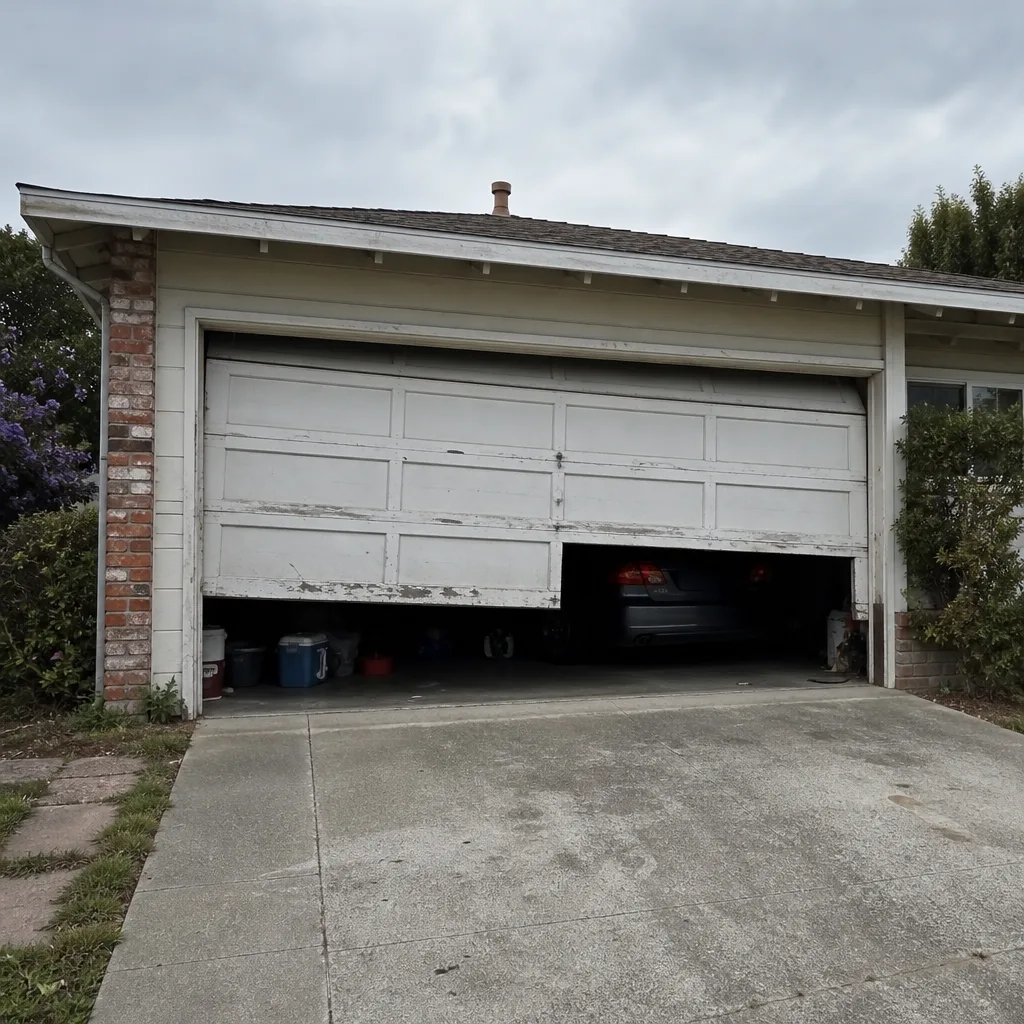 Before
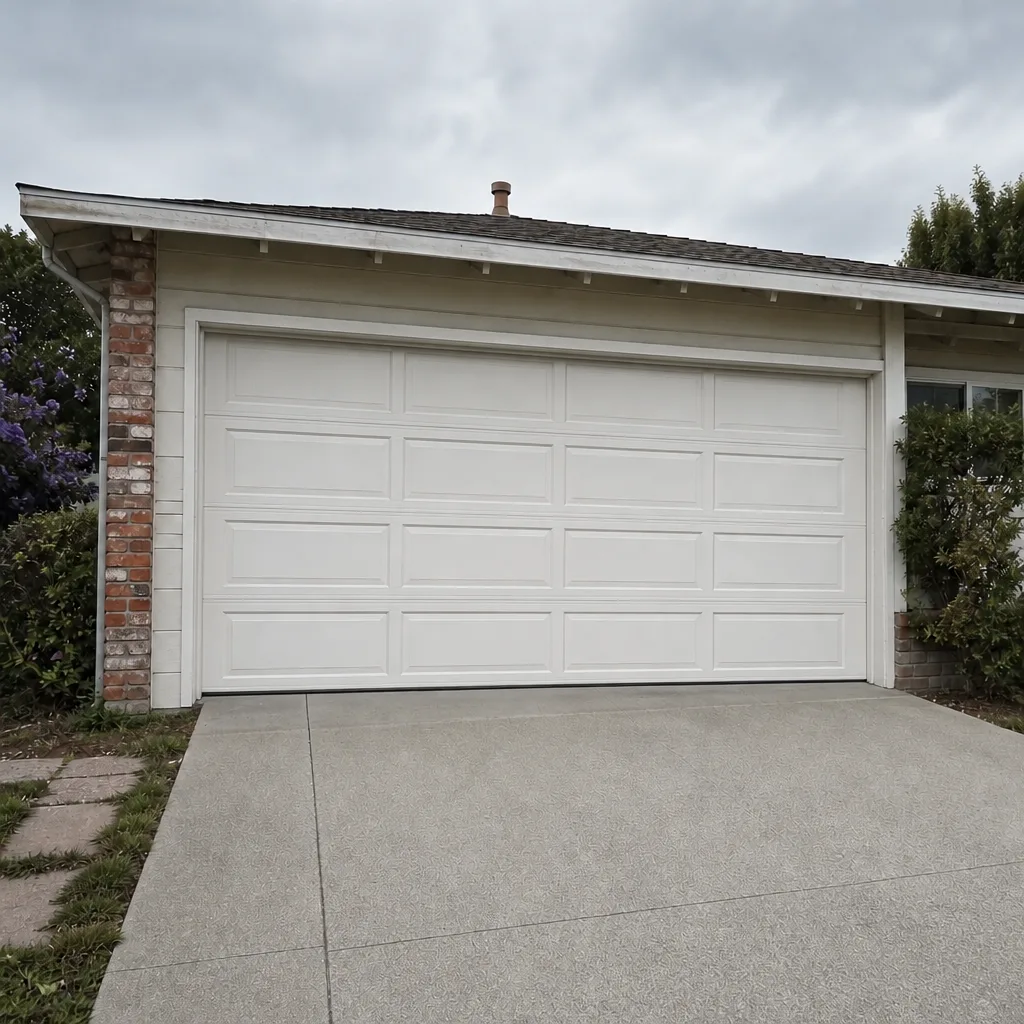 After
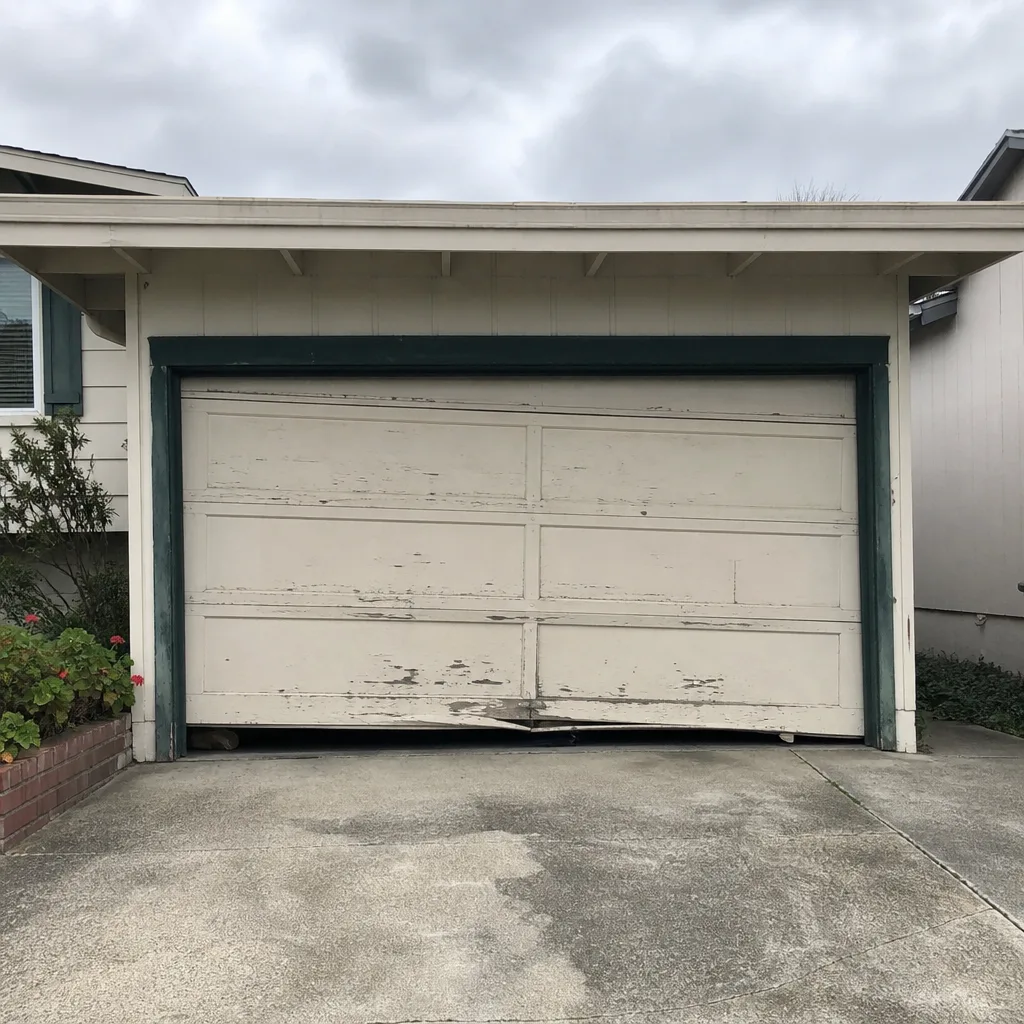 Before
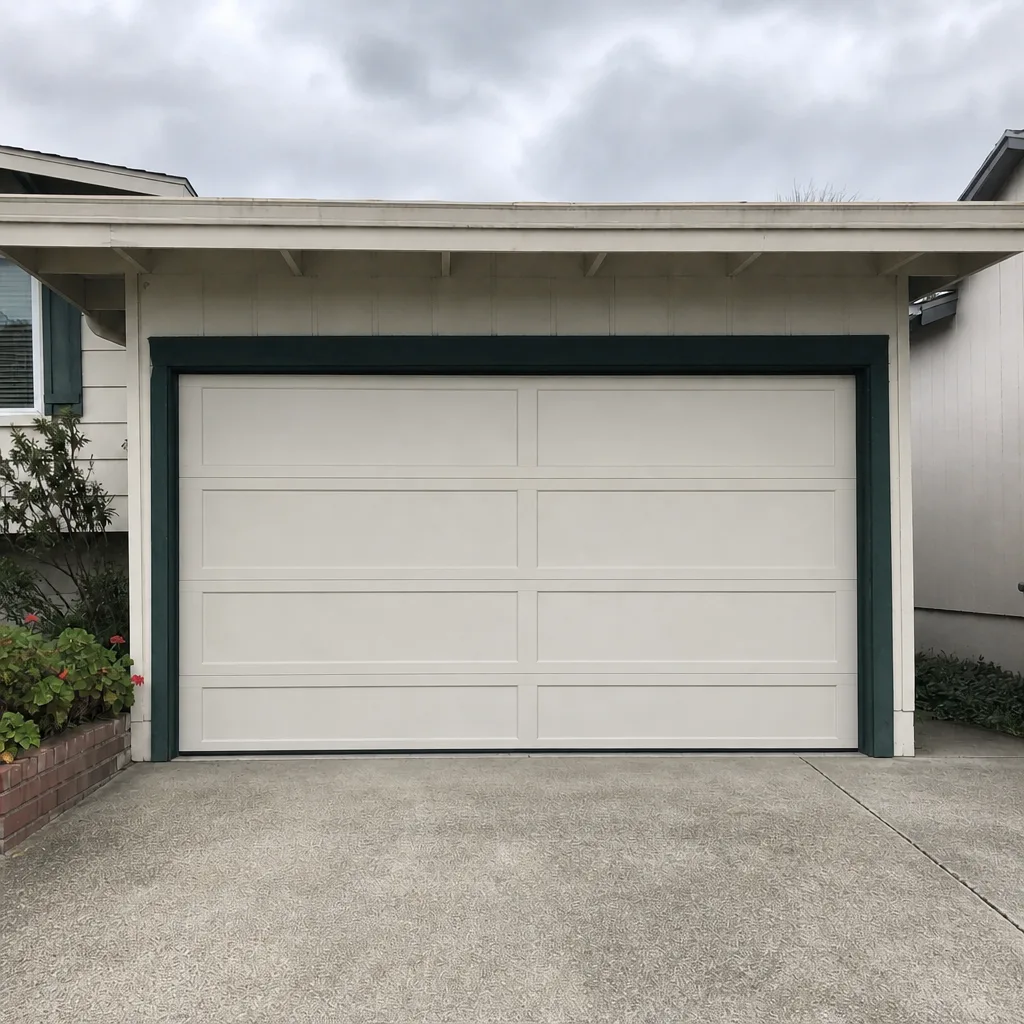 After
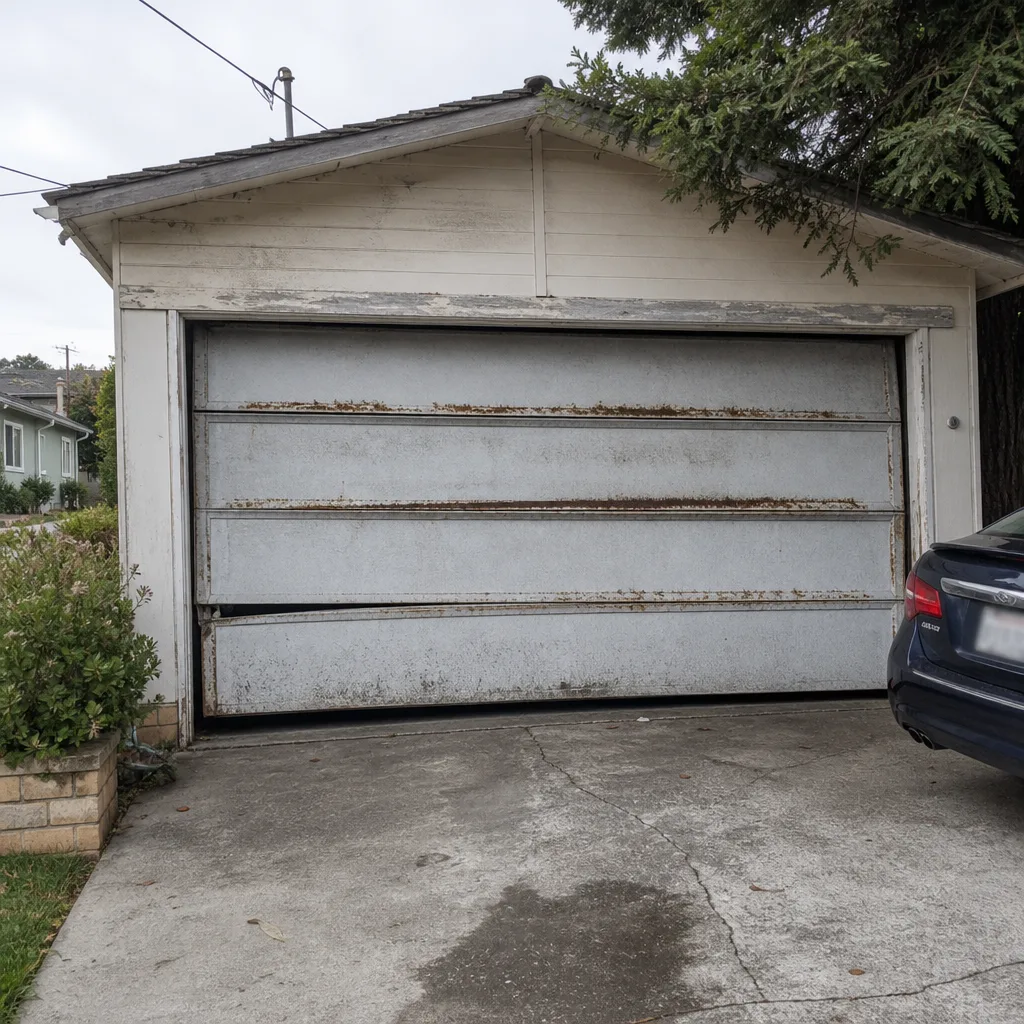 Before
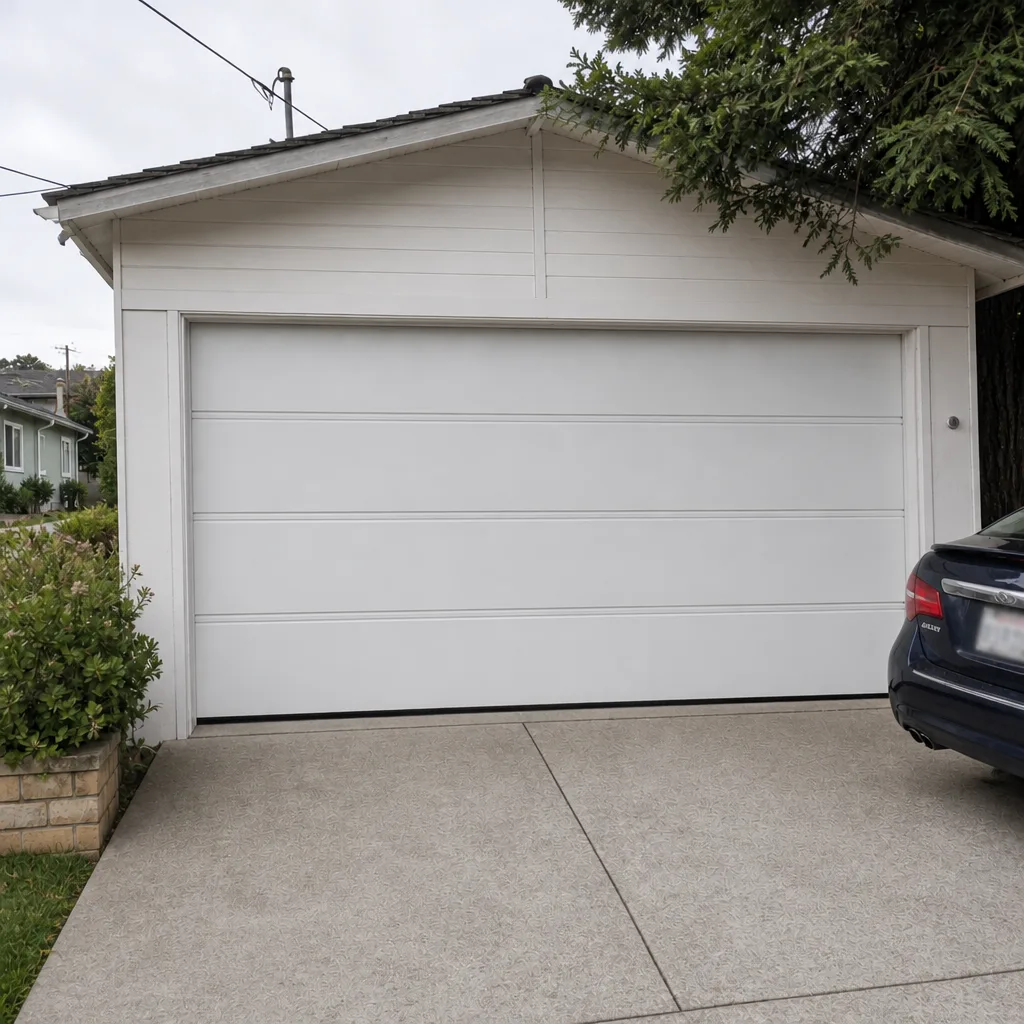 After
When to Call a Professional
Call a specialist when you see a frayed cable, a cracked spring, a door that will not stay in place when opened manually, a roller that has come off the track, or an opener that reverses for no reason and resists recalibration. Call when a safety reverse test fails. Call when you hear the telltale pop of a spring giving way. These are not maintenance items. They are repair items, and attempting to fix them yourself is dangerous. San Carlos homeowners can reach Rockport Garage Door Repair at (855) 393-4573 for a free estimate. We answer 24/7 and dispatch crews Sunday through Friday, 7am to 7pm. The price is quoted and agreed before any work starts.
Frequently Asked Questions
Most San Carlos homeowners should lubricate their garage door every 3,000 to 4,000 cycles, which translates to roughly every 9 to 14 months for typical use of 2,000 to 2,500 cycles per year. Heavier-use homes over 3,000 cycles per year should lubricate every 4 to 6 months. Use a dry silicone or lithium-based garage door lubricant, never a petroleum-based household oil, which attracts grit in the Bay Area’s humidity. Call (855) 393-4573 for a free estimate on professional lubrication and inspection.
Yes for the monthly visual check, lubrication of rollers and hinges, weatherstripping inspection, and safety sensor cleaning. No for spring tension adjustment, cable inspection at the drum, and opener force settings, which require a trained professional and involve components under dangerous tension or electrical load. We always recommend a specialist for anything involving springs or cables.
A typical two-car household in San Carlos runs between 1,800 and 2,500 cycles per year, assuming the door is used four to six times daily for commuting, errands, and family traffic. Homes with teenagers, home-based workers, or frequent comings and goings can exceed 4,000 cycles annually, which halves the time between recommended service intervals.
Use a dry silicone spray or a garage-door-specific lithium grease. These products do not attract dust and grit the way petroleum-based household oils do, which matters in San Carlos where marine-layer humidity alternates with dry afternoons. Avoid lubricating the track entirely; it rolls, it does not slide.
Replace torsion springs when they show visible gaps in the coil, when the door will not stay in place when opened manually, or when the opener sounds strained and a technician confirms the spring has lost torque. A matched pair is replaced together, even if only one shows visible failure. Spring replacement is not a DIY task under any circumstances.
We are certified to work on LiftMaster, Chamberlain, Genie, Clopay, Amarr, Wayne Dalton, Craftsman, and Raynor systems, covering both the door hardware and the opener platform. We work on the brand you already have, from the spring to the opener, and treat opener repair as its own specialty.
The Bottom Line
Your garage door does not care what month it is. It cares how many times it has opened and closed, what the temperature did last week, and whether anyone noticed the small changes that precede a failure. Build your maintenance schedule around cycle count and seasonal transition, do the five-minute monthly check without fail, use the right lubricant for San Carlos humidity, and keep a simple log. Call in a specialist for springs, cables, and opener force settings before they fail rather than after. The door will last longer, the repair calls will be fewer, and the warranty stays intact.
Written by the team at Rockport Garage Door Repair, serving San Carlos since 2014.