
Last updated November 4, 2026
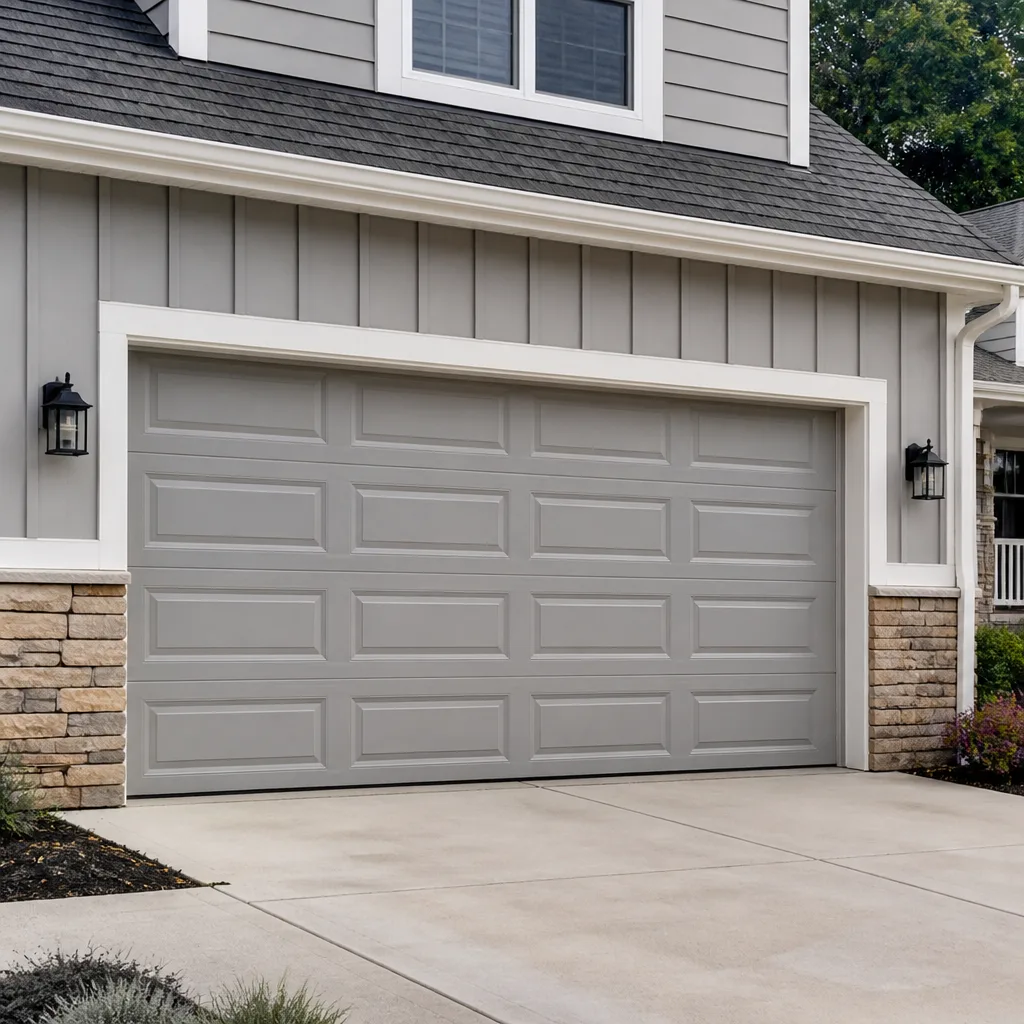 Raised-panel steel
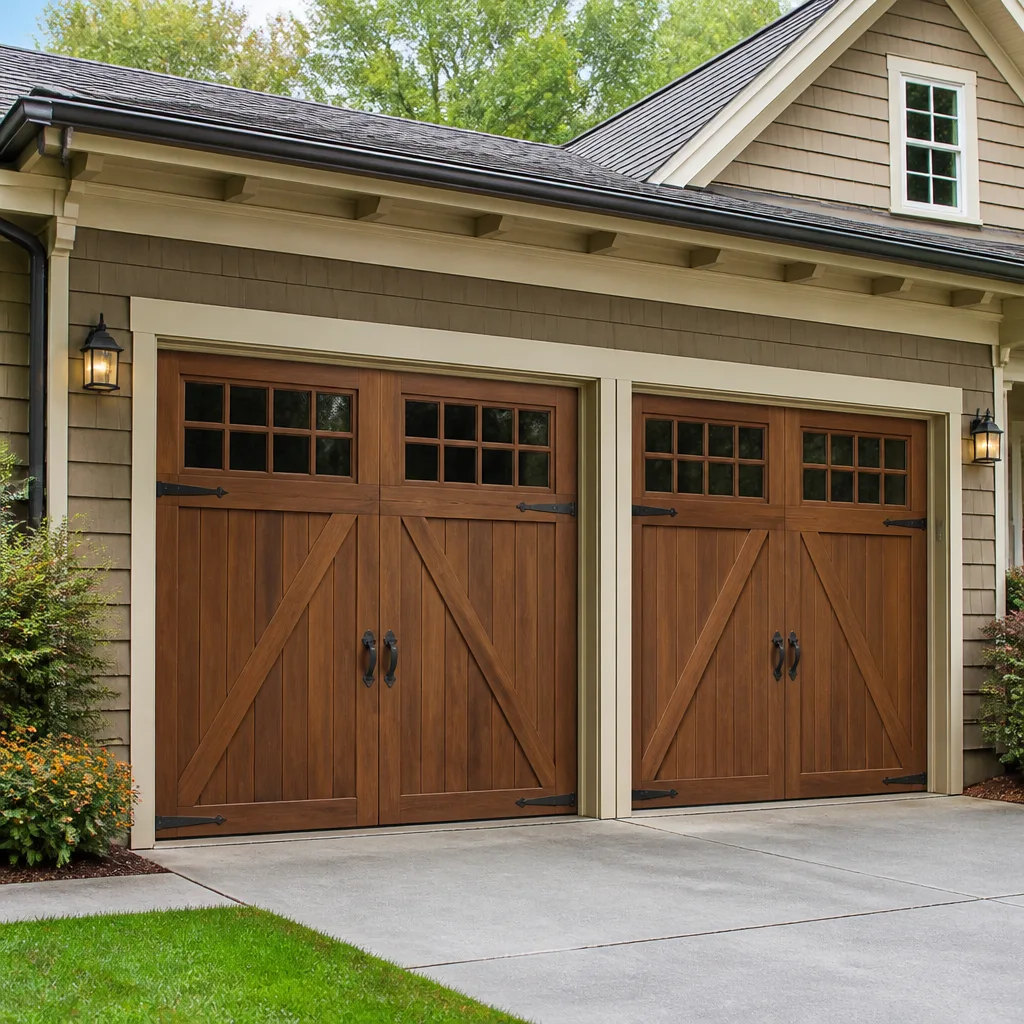 Carriage house
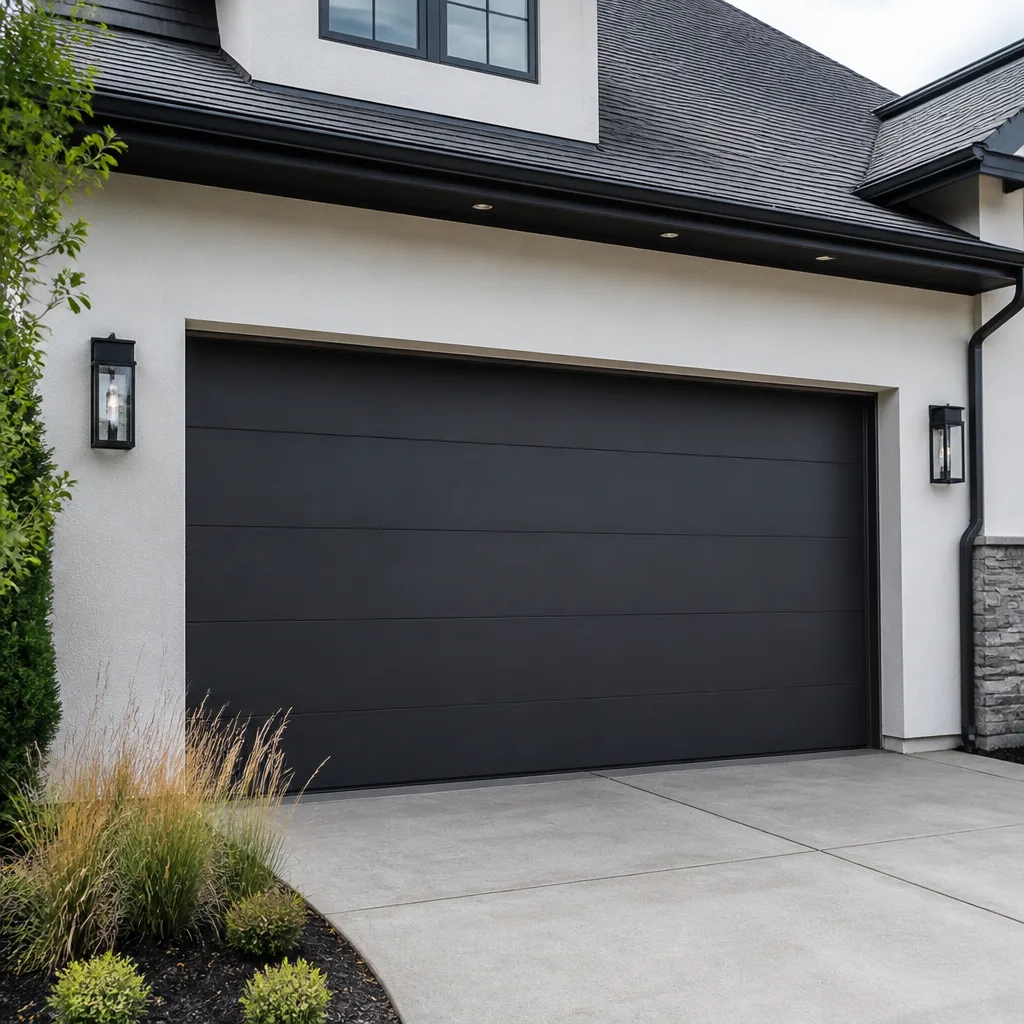 Modern flush
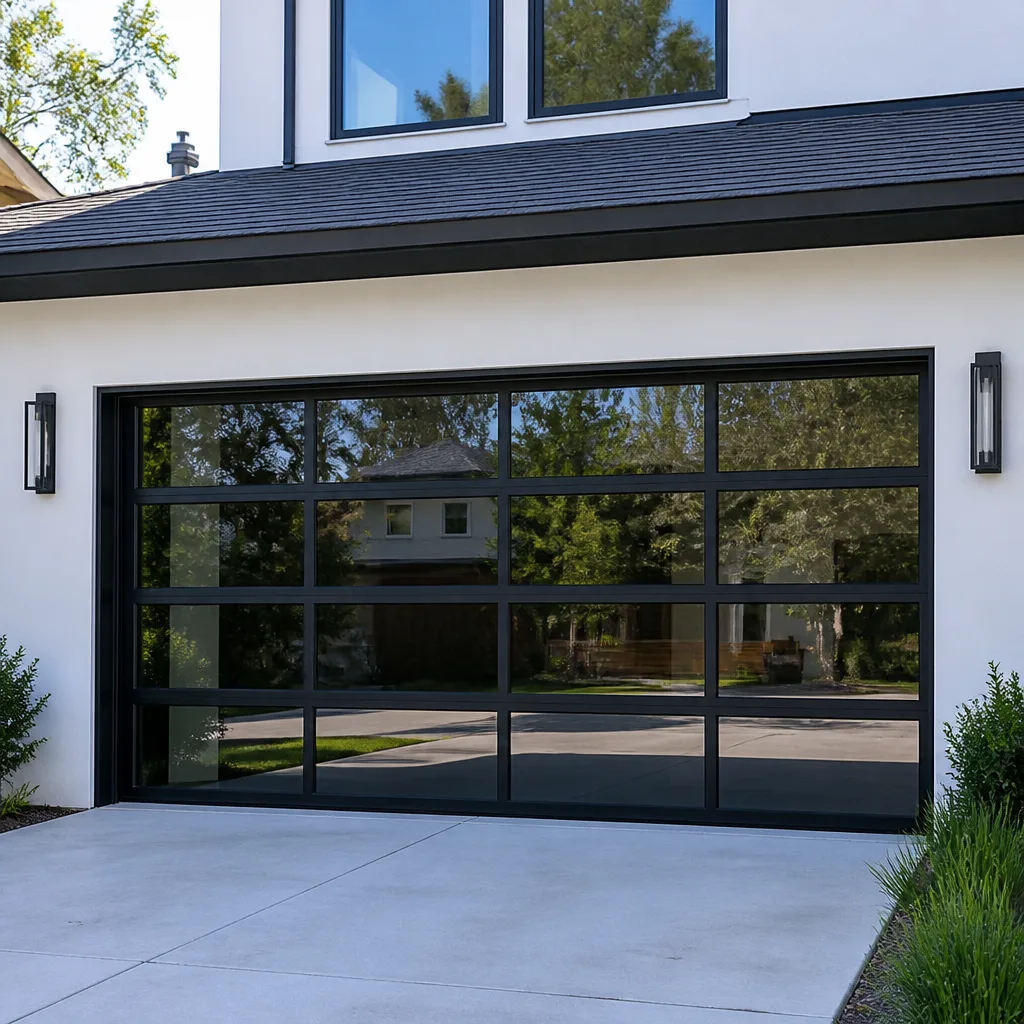 Full-view glass
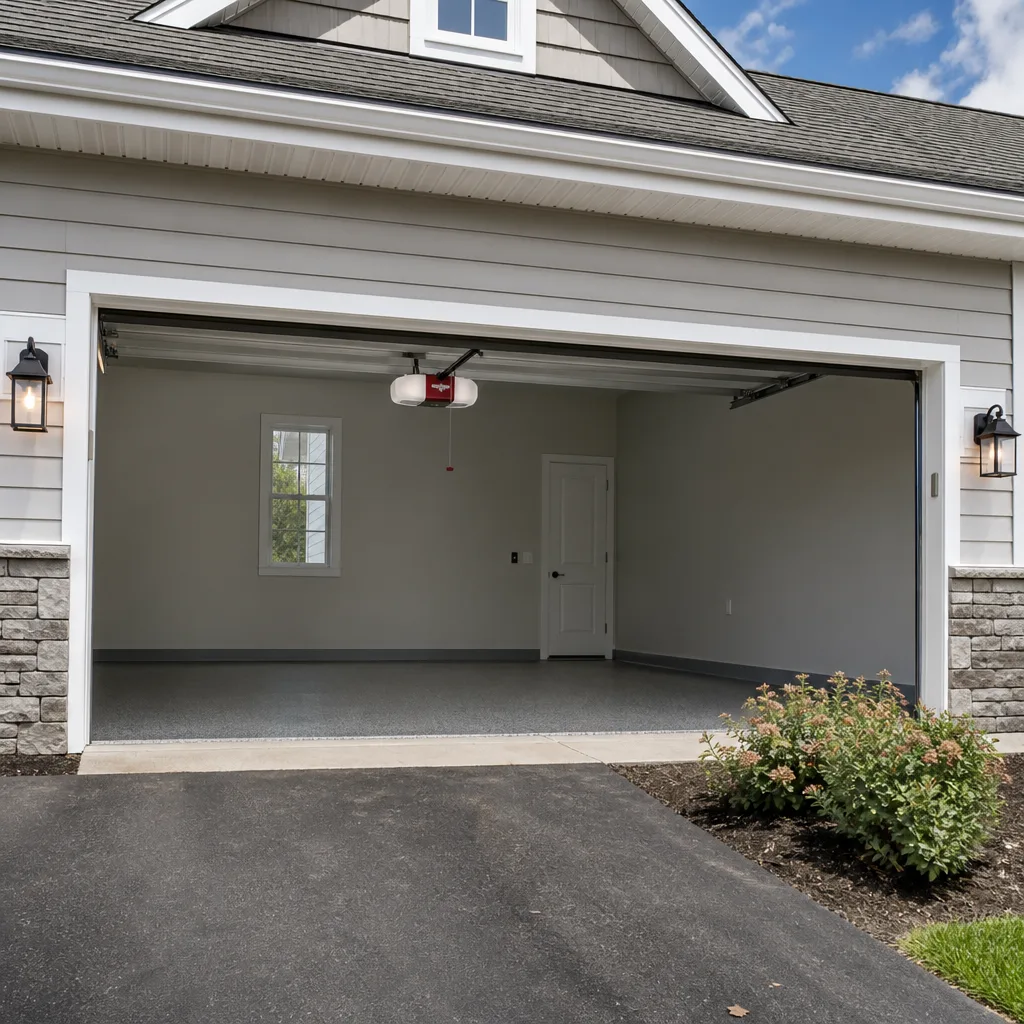 LiftMaster openers
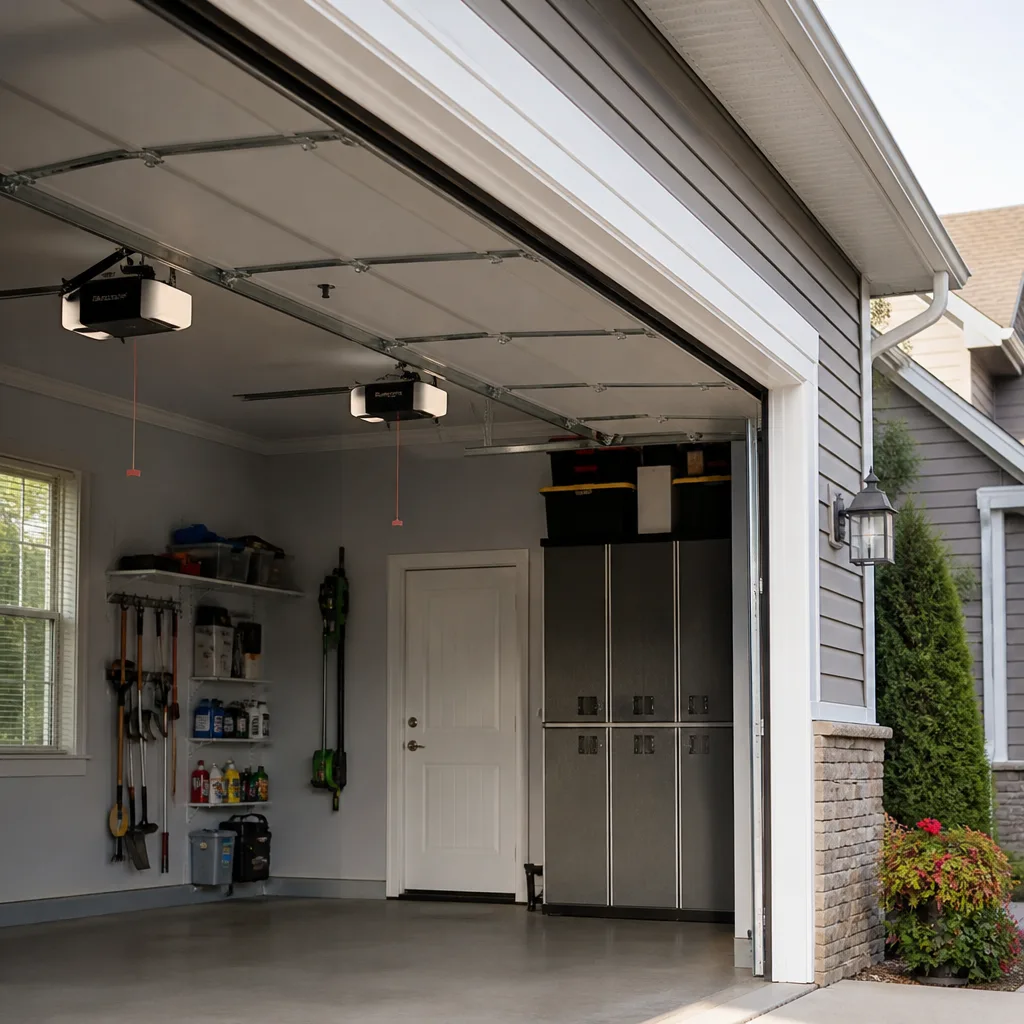 Chamberlain openers
Full 25-point door and opener safety check with every visit - springs, cables, rollers, tracks, and your LiftMaster or Chamberlain opener included
You get a price before we start. It does not change when the truck arrives.
Get your free estimateGarage Door Repair Maintenance Checklist for San Carlos Homeowners
Here’s the thing about garage doors in San Carlos: they rarely fail without warning. A spring that snaps on a Tuesday had been telling you something for two months. A cable that frays had been thinning beside the drum for weeks. The problem is that most homeowners don’t know what those warnings look like. This guide changes that. You’ll learn exactly what to inspect, how often, which signs mean “keep watching” versus “call someone today,” and the specific weak points that we’ve found show up repeatedly in San Carlos garages. By the end, you’ll have a maintenance rhythm that keeps a door working for years instead of failing at the worst possible moment.
Quick Answer
A garage door maintenance checklist for San Carlos homeowners should include a five-minute monthly visual inspection of springs, cables, rollers, and tracks; a quarterly hands-on check that includes lubrication and balance testing; and an annual professional tune-up. The specific things to watch for in this climate are torsion spring coil gaps, rust at the bottom brackets, and cable fraying near the drum, all of which the coastal Peninsula humidity accelerates.
Styles & brands we work with
- Raised-panel steel
- Carriage house
- Modern flush
- Full-view glass
- LiftMaster openers
- Chamberlain openers
Table of Contents
- Why San Carlos Is Harder on Garage Doors Than You Think
- The Five-Minute Monthly Visual Inspection
- The Quarterly Hands-On Check
- Seasonal Nuances in San Carlos
- What You Should Never Adjust or Lubricate Yourself
- Brand-Specific Maintenance Notes
- When a Flag Means Call a Technician
Why San Carlos Is Harder on Garage Doors Than You Think
San Carlos sits in a particular spot on the Peninsula that creates real wear patterns most national maintenance guides never mention. The coastal fog that rolls through the hills in the mornings and evenings means garage door hardware gets damp and then dries, damp and then dries, day after day. That cycle is what corrodes metal. You don’t need to live on the coast for this to happen; the fog reaches inland and settles into garages, especially older ones with less ventilation.
Add to that the temperature swings we get between warm afternoons and cool nights, and you get expansion and contraction in metal components that accelerates fatigue. A torsion spring under constant tension responds to those micro-changes by developing hairline cracks at stress points. And because so much of San Carlos’s housing stock was built before the 1980s, many garages still have original or aging hardware that’s been through decades of these cycles.
What this means in practical terms: the manufacturer’s generic maintenance schedule often isn’t frequent enough for doors in this area. A spring that might last twelve years in a dry inland climate might show meaningful wear at eight or nine here. Cables that look fine in a photo might be rusting from the inside where they wrap around the drum. The checklist below is built around what actually fails in San Carlos garages, so you can catch problems before they become emergencies.
The Five-Minute Monthly Visual Inspection
Once a month, walk through this sequence. It doesn’t require tools. It doesn’t require touching anything. You’re just looking for changes. Garage door repair calls in San Carlos often trace back to signs that were visible for weeks before the failure, so this monthly pass is the single highest-value maintenance step you can take.
- Look at the torsion springs above the closed door. You’re checking for a visible gap in the coil, which is the first sign a spring is losing its ability to hold tension evenly. A healthy spring looks like one continuous tight coil. A gap of even a quarter inch means the spring is starting to fail. Also look for rust patches, especially at the ends where the spring meets the stationary cones.
- Check the cables on both sides of the door. Follow each cable from the bottom bracket up to the drum at the top of the track. You’re looking for any individual wire strands that have broken free and are sticking out. A single stray strand means the cable is fraying and needs attention soon. Also look for rust discoloration near the bottom bracket, where moisture tends to collect.
- Watch the rollers move as the door opens and closes once. Rollers should turn smoothly without wobbling. A roller that slides instead of rolls, or one that looks like it’s wearing flat on one side, is wearing into the track. Listen for grinding or squealing that wasn’t there last month.
- Scan the track alignment on both sides. The vertical and horizontal tracks should form a clean, continuous line. Look for gaps where the track segments meet, bolts that have backed out, or places where the track looks like it’s pulling away from the wall bracket.
- Check the bottom weather seal. Run your eye along the rubber strip at the bottom of the door. In San Carlos’s damp conditions, this seal also keeps moisture out of the garage. Cracks, stiffness, or gaps mean it’s time for a replacement, which is a simple and inexpensive fix that protects everything else in the garage.
That’s the whole monthly pass. Five minutes, no tools, no risk. If every San Carlos homeowner did this, we’d see far fewer emergency calls that started as a slow, visible decline.
The Quarterly Hands-On Check
Four times a year, do everything in the monthly inspection plus these hands-on steps. This is where you catch subtle issues that only reveal themselves when you put the door through its full range of motion and pay attention to how it behaves.
- Test the balance manually. With the door closed, pull the red emergency release handle to disconnect the door from the opener. Then lift the door by hand about halfway. A healthy, balanced door stays where you leave it, roughly at waist height. If it wants to fall, the springs are losing tension. If it wants to rise, they’re over-tensioned or the door is too light. Either way, a trained technician should correct it. Reconnect the opener by pulling the handle again and running the opener until it re-engages.
- Lubricate with the right products, in the right places. Use a silicone-based or lithium-based spray made for garage doors. Spray the roller bearings, the hinges where they pivot, the bearing plates at the ends of the torsion spring tube, and the lock mechanism if you have one. This is where most DIY homeowners go wrong: they lubricate the spring coil itself, which does nothing and traps dirt, or they use WD-40, which is a degreaser, not a lubricant. Skip the spring. Never touch cable tension.
- Test the auto-reverse feature on the opener. Place a roll of paper towels flat on the ground where the door closes. Close the door. It should reverse within two seconds of contacting the roll. This is a safety system, not a convenience feature, and in a home with kids or pets it has to work every single time. If it doesn’t reverse promptly, stop using the door and call for garage door opener repair.
- Check the photo eye sensors. With the door open, wave a broom handle across the beam between the two sensors near the floor on either side of the door. The door should stop and reverse if you try to close it with the beam broken. Also check that the small indicator lights on both sensors are solid, not blinking. Blinking means misalignment or a wiring issue.
- Tighten visible hardware. Over months of vibration, the bolts that hold the track brackets to the wall, the hinges to the panels, and the arms to the opener all loosen slightly. Use a socket wrench to snug any you can reach. If you have a Wayne Dalton or Clopay door with a TorqueMaster spring system that’s enclosed in the tube, leave anything inside that tube alone and just confirm the tube looks straight and mounted securely.
This quarterly pass takes about thirty minutes and catches issues that the monthly pass can’t. Most of our Rockport Garage Door Repair maintenance findings during annual tune-ups are things that would have been caught by a diligent quarterly check.
Seasonal Nuances in San Carlos
The maintenance schedule above works year-round, but each season in San Carlos puts slightly different stress on the door. Adjusting your attention seasonally keeps the routine from becoming rote.
Spring: Check for Moisture Damage From Winter Fog
The foggy months from roughly November through February leave their mark. By March, you might notice new rust bloom at the bottom brackets, stiff weather stripping that’s lost its flexibility, or cables that look darker than they did in the fall. This is the season to be thorough about the cable inspection and to look closely at any painted steel panels for bubbling that suggests rust starting under the paint.
Summer: Watch for Heat Expansion and Noise Changes
The warmest stretch of the year, especially when a heat wave pushes temperatures up quickly, causes metal parts to expand. A door that was quiet in May might develop a creak in August simply because the track alignment has shifted a few thousandths of an inch. That’s often the trigger for new noises. Any new grinding, popping, or metallic scraping during the summer is worth investigating, not ignoring. Summer is also when the garage gets its hottest, which shortens the life of opener motor components slightly over time.
Fall: The Pre-Fog Check
September or October is the most important maintenance moment of the year in San Carlos. Everything you do now pays off through the damp months. Lubricate thoroughly, check the weather seal, verify the balance, and look for any places where bare metal is exposed. A can of touch-up paint on exposed steel brackets in the fall prevents rust creep all winter.
Winter: Listen and Watch Between Storms
The mild winters here don’t bring freeze-thaw cycles, but they do bring sustained dampness. If your garage feels humid, run a small dehumidifier or at least leave the door open for ten minutes on clear afternoons. Watch for any new corrosion around the springs and cables, and pay attention to how the door sounds on colder mornings when metal has contracted slightly overnight. Any unusual sounds that only appear when it’s cool are still worth noting; they usually point to a component that’s near the edge of its life.
What You Should Never Adjust or Lubricate Yourself
Some of the worst injuries in home improvement happen in garages, and almost all of them involve torsion springs. A torsion spring is under hundreds of pounds of tension, and when it releases that tension unexpectedly, the consequences can be severe. This is not a caution about pinched fingers. This is a caution about forces capable of breaking bones or worse.
Torsion Springs: Look, Don’t Touch
You can inspect torsion springs visually. You can note rust, gaps, and wear. That’s it. Do not attempt to adjust them, remove them, or “tighten them up.” The tools used to wind and unwind torsion springs are long steel bars, and the winding process puts your face and hands directly in the path of the spring if something slips. A trained technician carries the specific winding bars for the job and knows how to read the spring’s condition before applying force. We replace springs in matched pairs, and we know how to size them correctly for the door’s weight and dimensions. None of that is a homeowner task.
Cable Tension: Never Loosen a Cable
The cables that run along each side of the door work with the springs to carry the door’s weight. When a cable is under tension, loosening the wrong bolt at the bottom bracket can release the cable instantly, turning the end into a whip. A frayed cable looks innocuous, but the frayed strands are sharp enough to cut through leather gloves, and the tension behind them is dangerous. This is a component to observe and report, not to touch.
Lubrication Boundaries
Lubricate: roller bearings, hinges, bearing plates, and locks. Do not lubricate: the spring coil, the cable, the track itself, or the opener’s drive rail or belt. Lubricant on the spring attracts grit and gives you nothing. Lubricant on cables makes them slippery and can cause them to slip on the drum. Lubricant on the track changes how the rollers grip, and a greasy track with dry rollers creates its own problems. If you see someone else’s maintenance guide telling you to spray the track, stop reading that guide.
Brand-Specific Maintenance Notes
Different manufacturers build different hardware, and the wear points vary. You don’t need to know everything about every brand, but knowing what to watch for on your specific door helps. We work on all of these systems regularly, and the patterns below come from years of opening hundreds of doors across San Carlos and the wider Peninsula.
Craftsman Openers
Craftsman openers, particularly units from the 1990s and 2000s, are still all over San Carlos garages. They’re generally robust machines, but the drive gears inside the motor unit wear down over time, producing a sound that starts as a whine and progresses to a grinding. If your Craftsman opener is getting louder with age, the gear is the likely culprit, and it’s a repairable item. The chain on older Craftsman units also stretches, so if you can press the chain down in the middle of its run and touch the rail, it’s time to adjust or replace it.
LiftMaster and Chamberlain Openers
LiftMaster and Chamberlain share the same parent company and many of the same internal parts. The belt-drive models are quiet and generally low-maintenance, but the plastic gears and the logic board are susceptible to heat damage in a hot garage. If your opener behaves erratically, such as reversing for no reason or refusing to close without holding the wall button, the photo eye sensors or the logic board are the first things to check. The wall-mounted control panels on these brands also wear out and are simple to replace.
Wayne Dalton and Raynor Doors
Wayne Dalton doors with the TorqueMaster spring system conceal the springs inside a tube above the door, which means some of the visual checks above need to be adapted. You won’t see the spring coil, so instead check the tube for straightness and look at the plastic ends where the tube meets the mounting brackets. Cracks in those plastic components are common and early signs of wear. Raynor doors are generally heavy and well-built, and the wear points are usually in the rollers and hinges rather than the panels themselves, which makes the quarterly lubrication pass especially important.
When a Flag Means Call a Technician
Call a technician when you see any of these: a gap in the torsion spring coil, broken cable strands, a door that won’t stay put when you lift it manually, an auto-reverse system that isn’t working, photo eyes that won’t align, or a noise you don’t recognize that’s getting worse. These aren’t “watch and see” items. They’re “the next movement of this door could be its last” items.
We’ve also seen the opposite problem: homeowners who ignore a slow decline because the door still opens. A door that balks, groans, or shudders but completes its cycle is not healthy, and the repair afterward is usually larger and more expensive than it would have been if caught earlier. Rockport Garage Door Repair offers free estimates in San Carlos, and we’ll look over the whole door, not just the part that’s complaining. Call (855) 393-4573. We answer 24/7. Fast dispatch from 7am to 7pm, Sunday through Friday.
See the difference
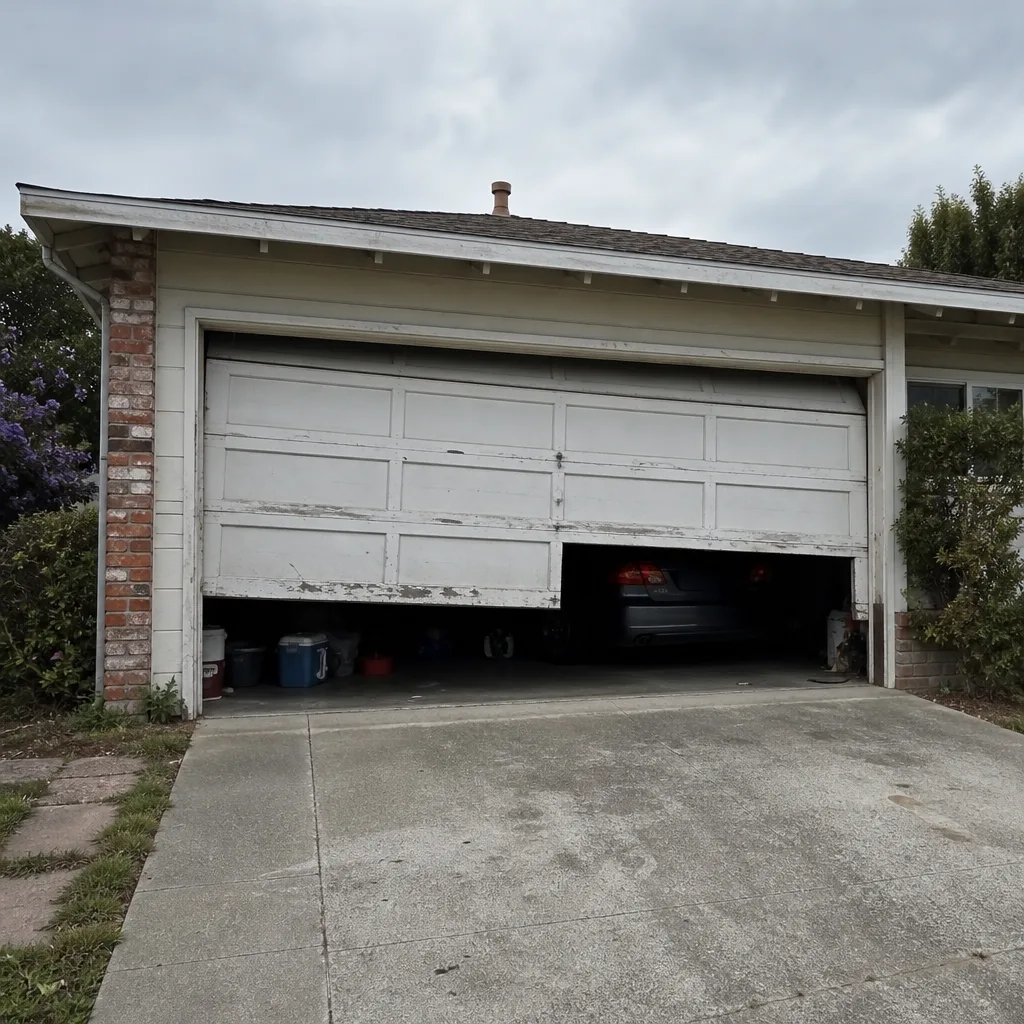 Before
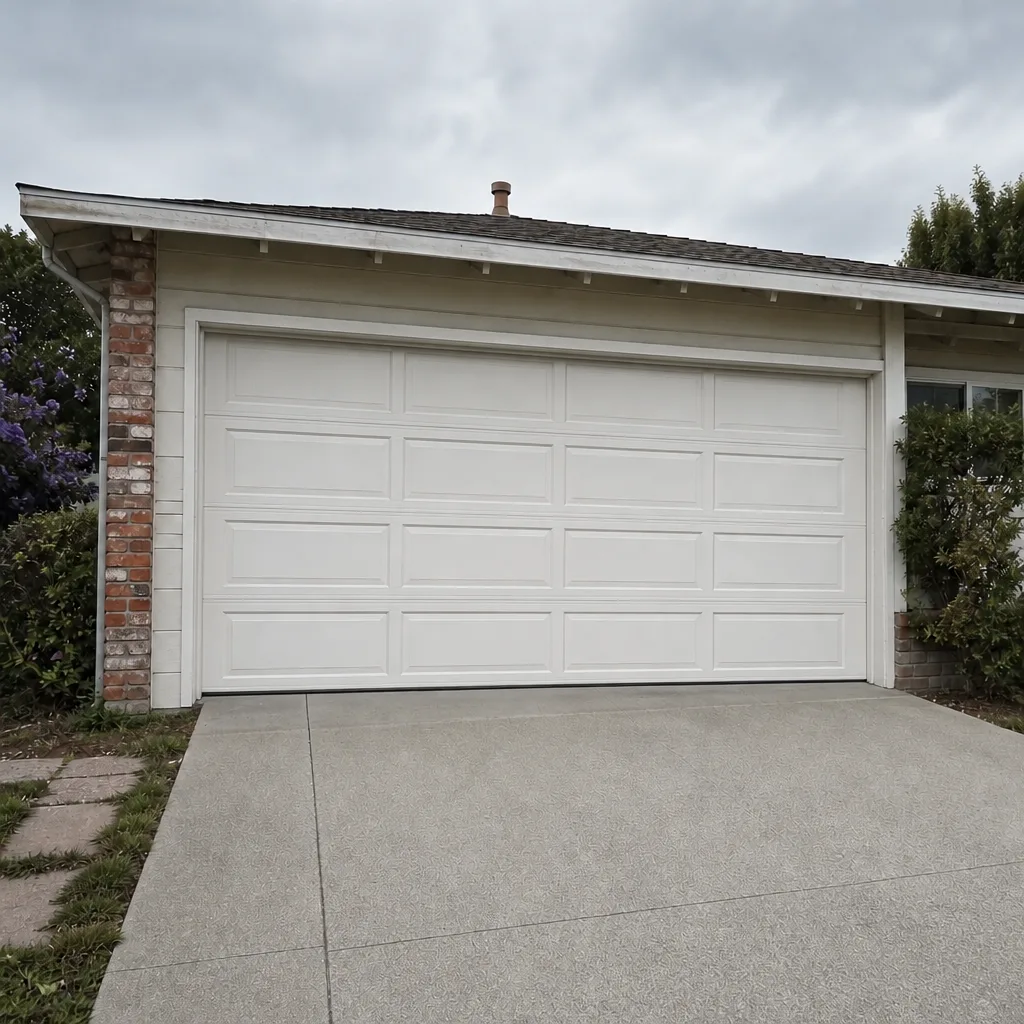 After
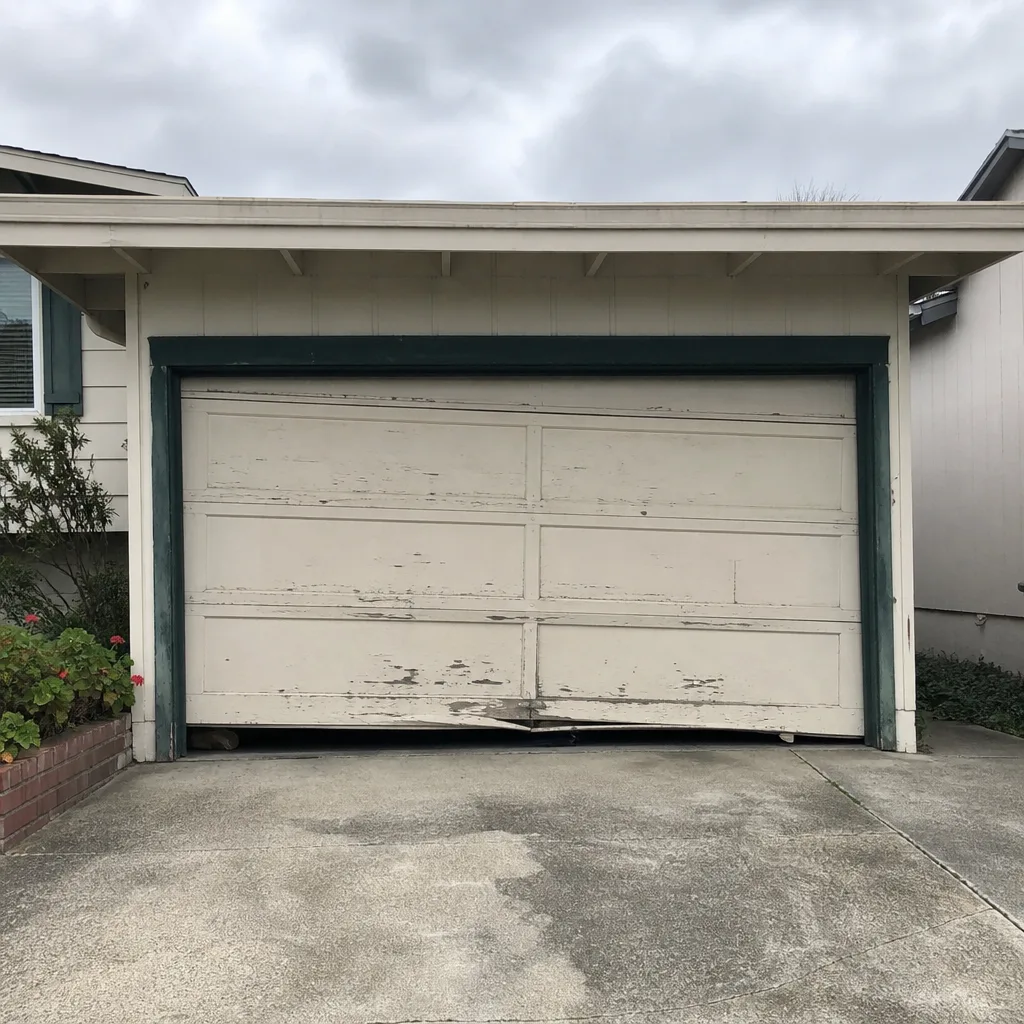 Before
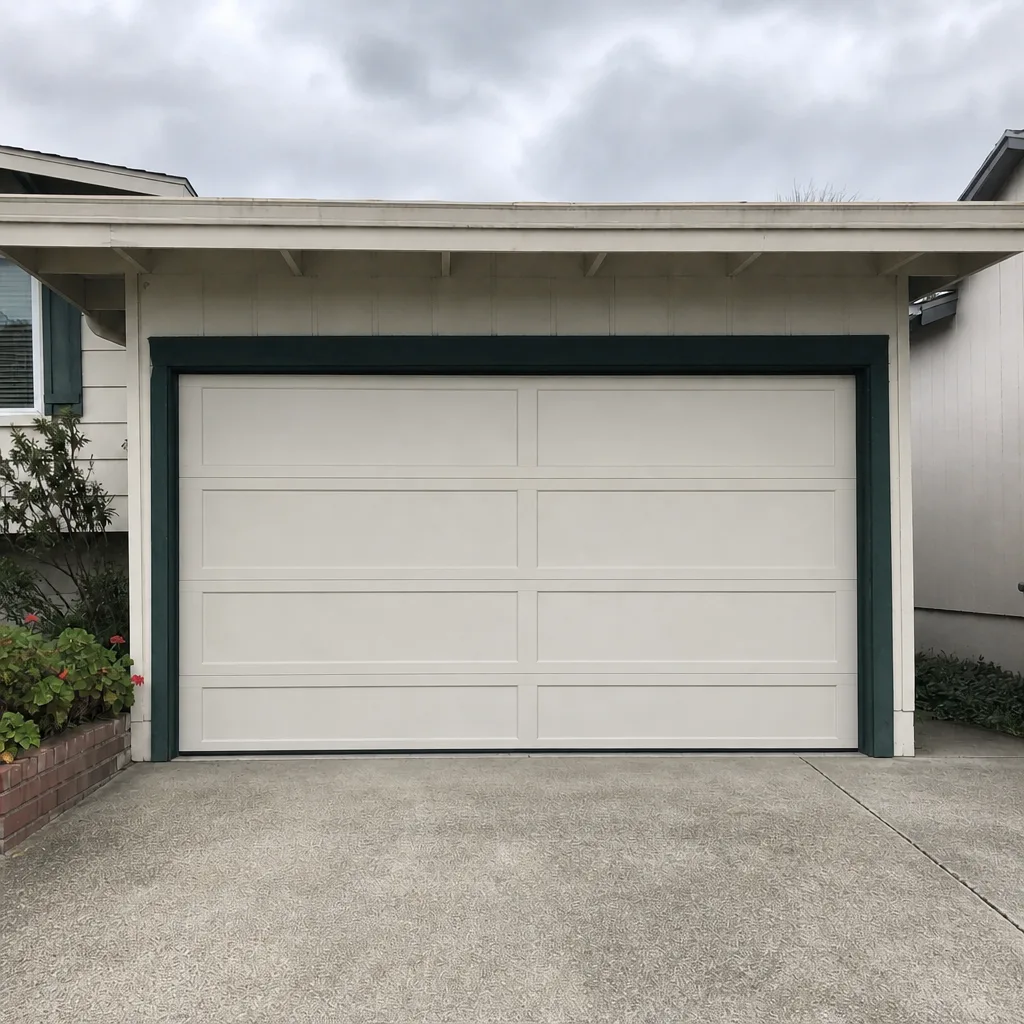 After
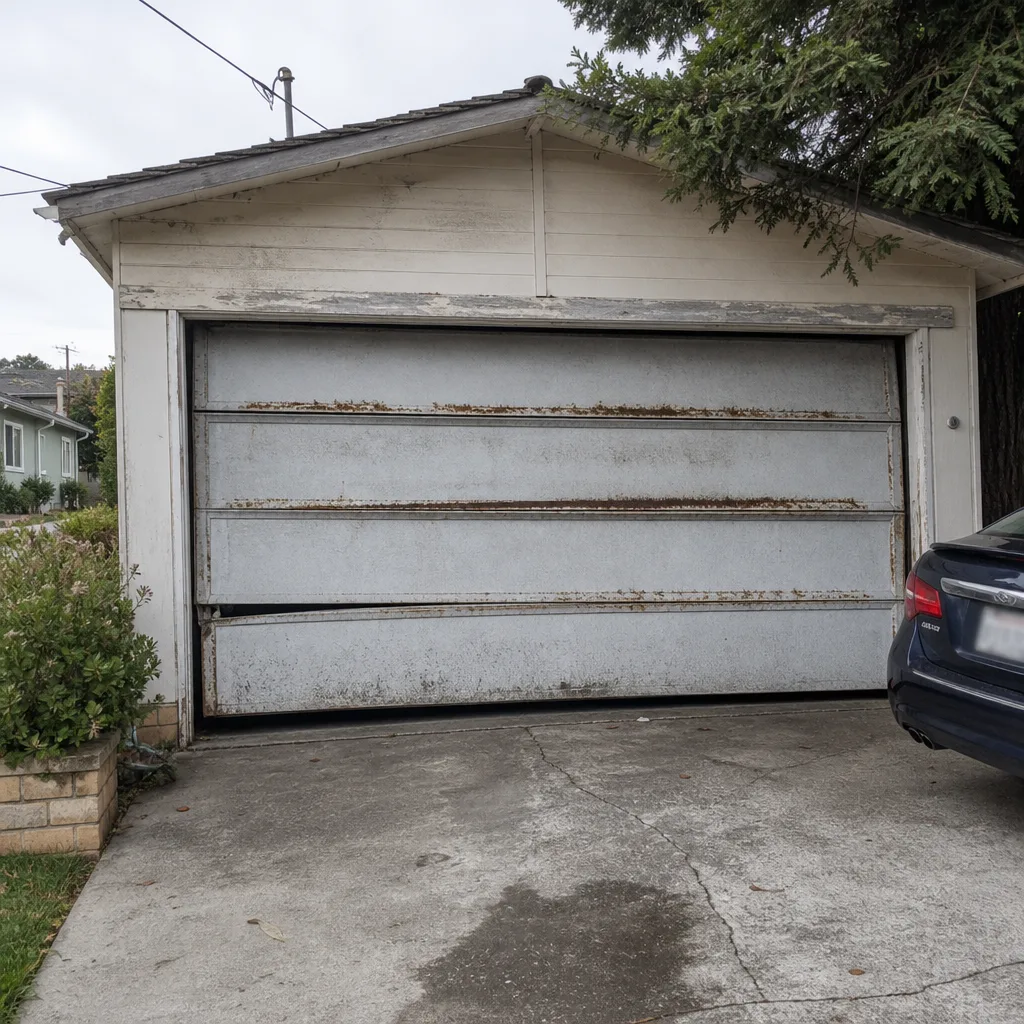 Before
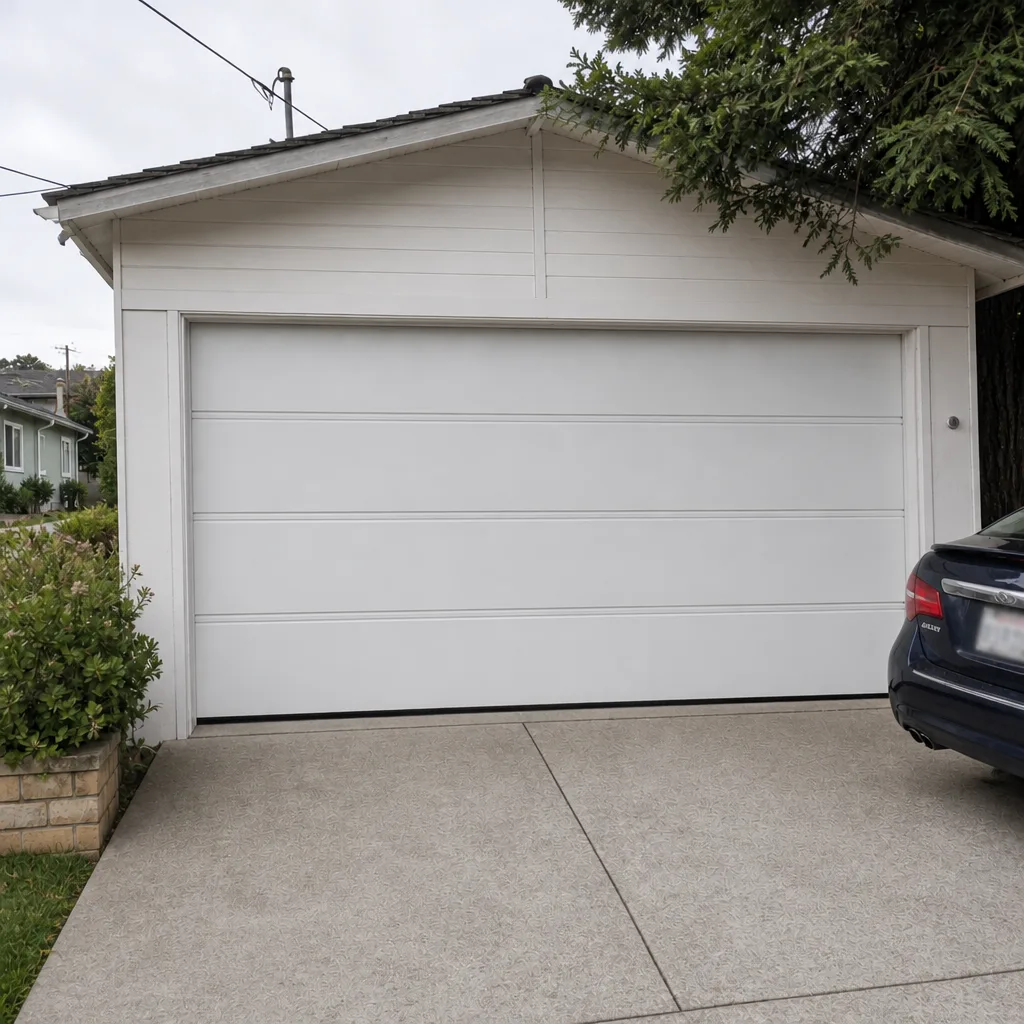 After
Common Mistakes to Avoid
- Using the wrong lubricant. WD-40 is a solvent that strips existing lubrication. It’s the most common mistake we see, and it leaves rollers and hinges drier than before. Use a silicone or lithium spray made specifically for garage door hardware.
- Continuing to use the door after the auto-reverse fails. The auto-reverse is a safety system, and a door that doesn’t reverse is a hazard. This isn’t a maintenance inconvenience; it’s a reason to stop using the door until it’s repaired.
- Adjusting spring tension to “fix” a sagging door. If one side of the door hangs lower or the door doesn’t stay up, the cause might be a worn spring, a damaged cable, or a failing roller, and guessing wrong makes it worse. Adjustments to torsion systems require specialized knowledge and tools.
- Ignoring new noises in the summer. Heat expansion changes how metal parts align, and a creak that appears during a warm stretch is often the first sign of a component nearing failure. It won’t fix itself when the weather cools.
- Relying only on the opener’s automatic force settings. The opener’s force adjustment is there to compensate for minor friction, not to drag a failing door up and down. If the opener is working noticeably harder, find out why instead of letting it strain.
- Skipping the quarterly balance test because it’s “too much work.” The balance test takes three minutes and tells you more about spring health than any other single check. A door that begins falling when released is a door that’s about to need spring work.
- Painting over rust without treating it. On steel doors and hardware, painting over rust without removing it only hides the problem while the metal keeps corroding underneath. Remove surface rust, prime, then paint.
Frequently Asked Questions
A typical annual professional tune-up for a garage door in San Carlos runs between $120 and $180 for a standard single door, and a tune-up on a double door runs from $150 to $220, depending on hardware condition and what needs attention. Replacement parts like rollers, weather seals, and minor hardware are priced separately. The quote is set before the work begins, and the written estimate reflects the final price. Call (855) 393-4573 for a free estimate. We answer 24/7. Fast dispatch from 7am to 7pm, Sunday through Friday.
Yes, we offer same-day repair when the issue is urgent and we can dispatch from 7am to 7pm, Sunday through Friday. We answer 24/7, so call and we’ll get you scheduled for the next available opening.
Steel rollers with ball bearings typically last seven to ten years in San Carlos’s climate, while nylon rollers often last twelve to fifteen years. If you hear grinding or see wobble during the monthly inspection, the rollers are due regardless of age. Replacing rollers is a straightforward job done on the same visit as a tune-up.
Yes, and it’s one of the highest-value maintenance items for San Carlos garages because a good seal keeps moisture and debris out of the garage, which protects everything from the door’s own hardware to whatever you store inside. A cracked or stiff weather seal is inexpensive to replace and usually takes less than an hour.
No. The price is quoted and agreed before any work starts, and the written estimate is the final price. If we find something unexpected during the job, we’ll stop and talk to you before doing anything that wasn’t in the original quote.
Yes, we work on the system you already have, and that includes older doors and openers from brands like LiftMaster, Chamberlain, Genie, Clopay, Amarr, Wayne Dalton, Craftsman, and Raynor. If parts are no longer available, we’ll tell you that up front and lay out your options. Call (855) 393-4573 to schedule a look. We answer 24/7. Fast dispatch from 7am to 7pm, Sunday through Friday.
The Bottom Line
The garage door is the heaviest moving object in your house, and it works against gravity every single time it opens. In San Carlos, where fog and temperature swings accelerate wear on springs, cables, and rollers, a disciplined maintenance rhythm is the difference between a door that lasts twenty years and one that fails at year nine. Do the five-minute monthly pass. Do the thirty-minute quarterly pass. Take the seasonal adjustments seriously, and call in a specialist when you see a flag instead of waiting for the failure. Rockport Garage Door Repair serves San Carlos with free estimates, same-day repair, and a full-service approach that covers the door, the opener, and every brand in between.
Written by the team at San Carlos garage door specialist Rockport Garage Door Repair, serving San Carlos since 2014.