
Last updated November 4, 2026
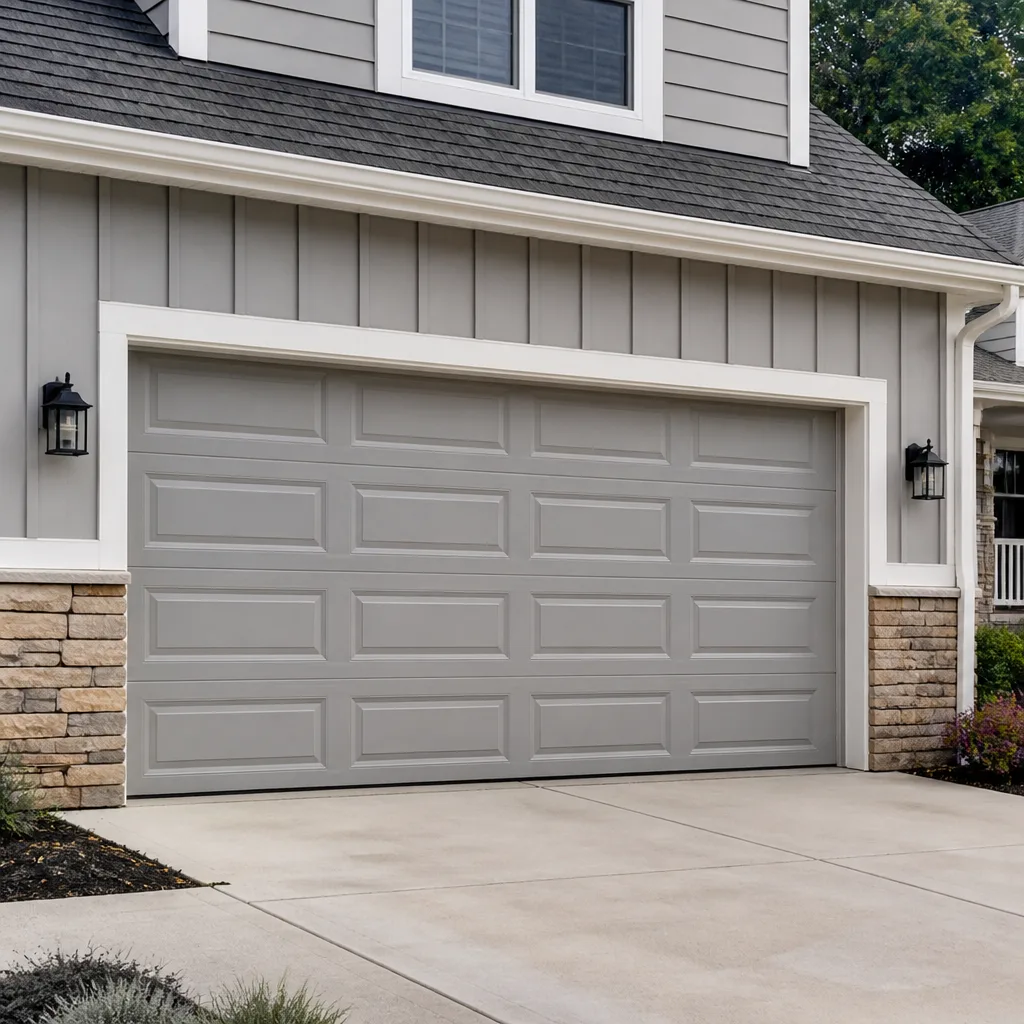 Raised-panel steel
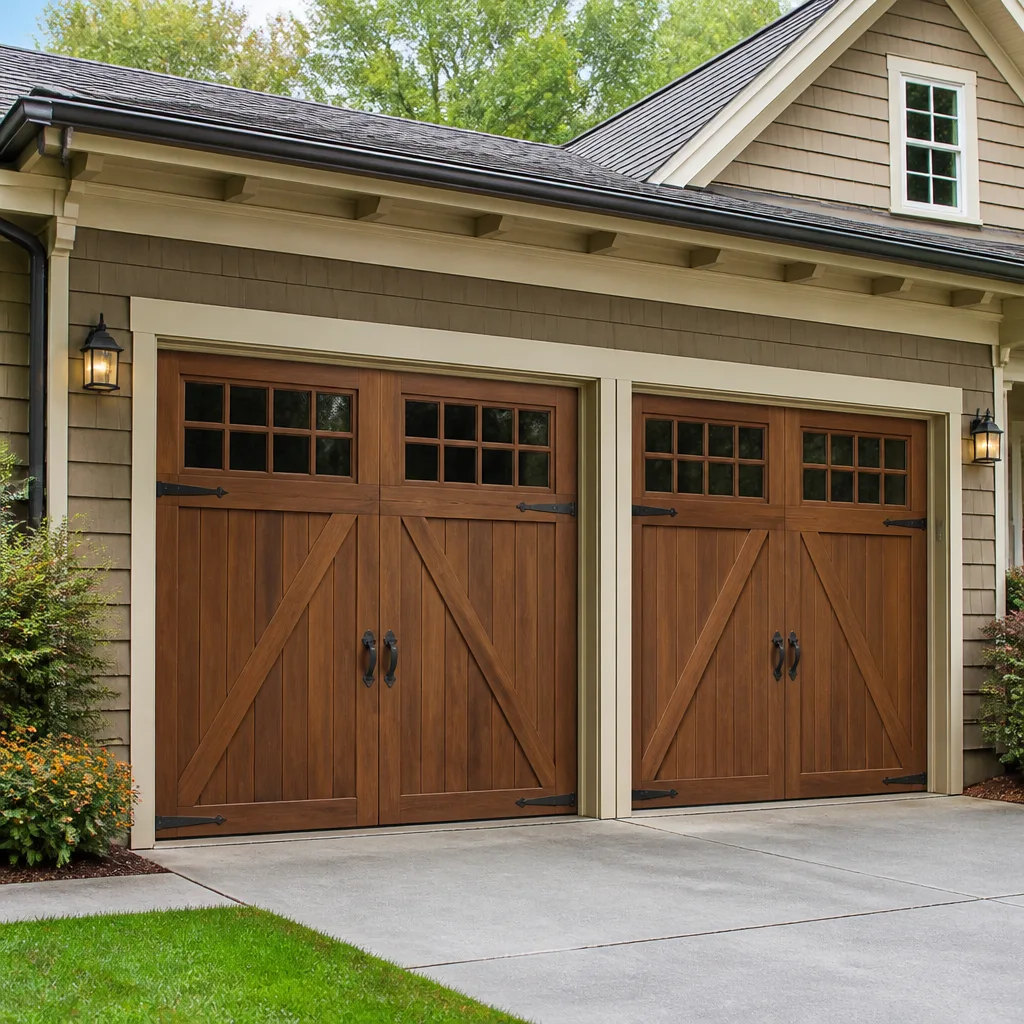 Carriage house
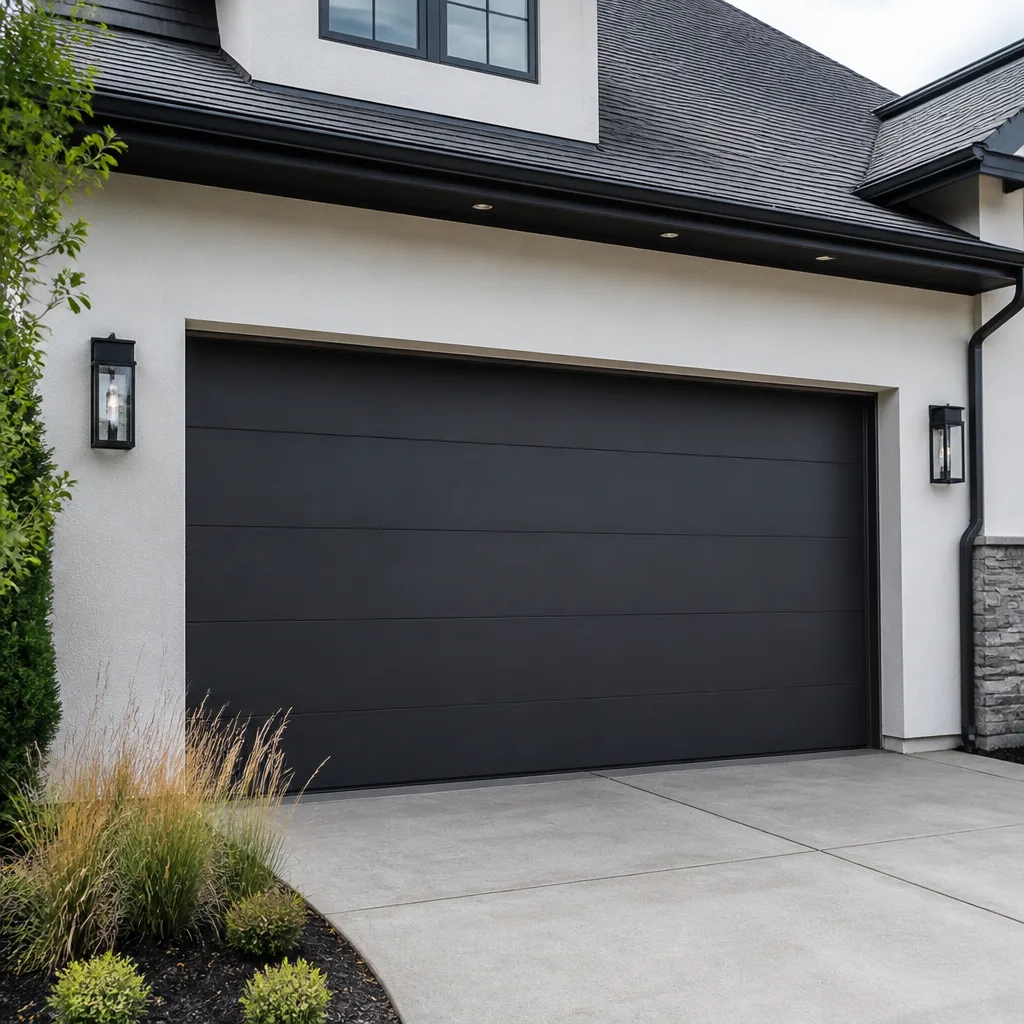 Modern flush
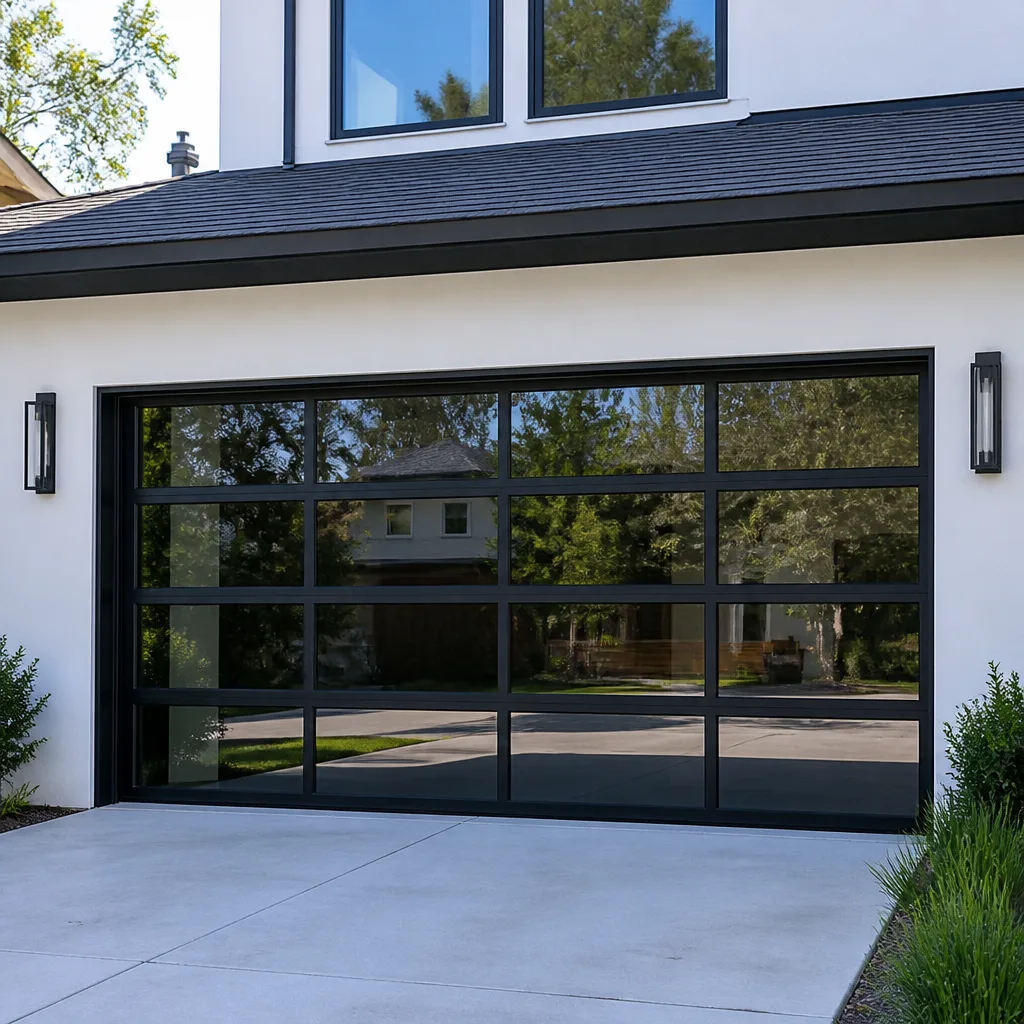 Full-view glass
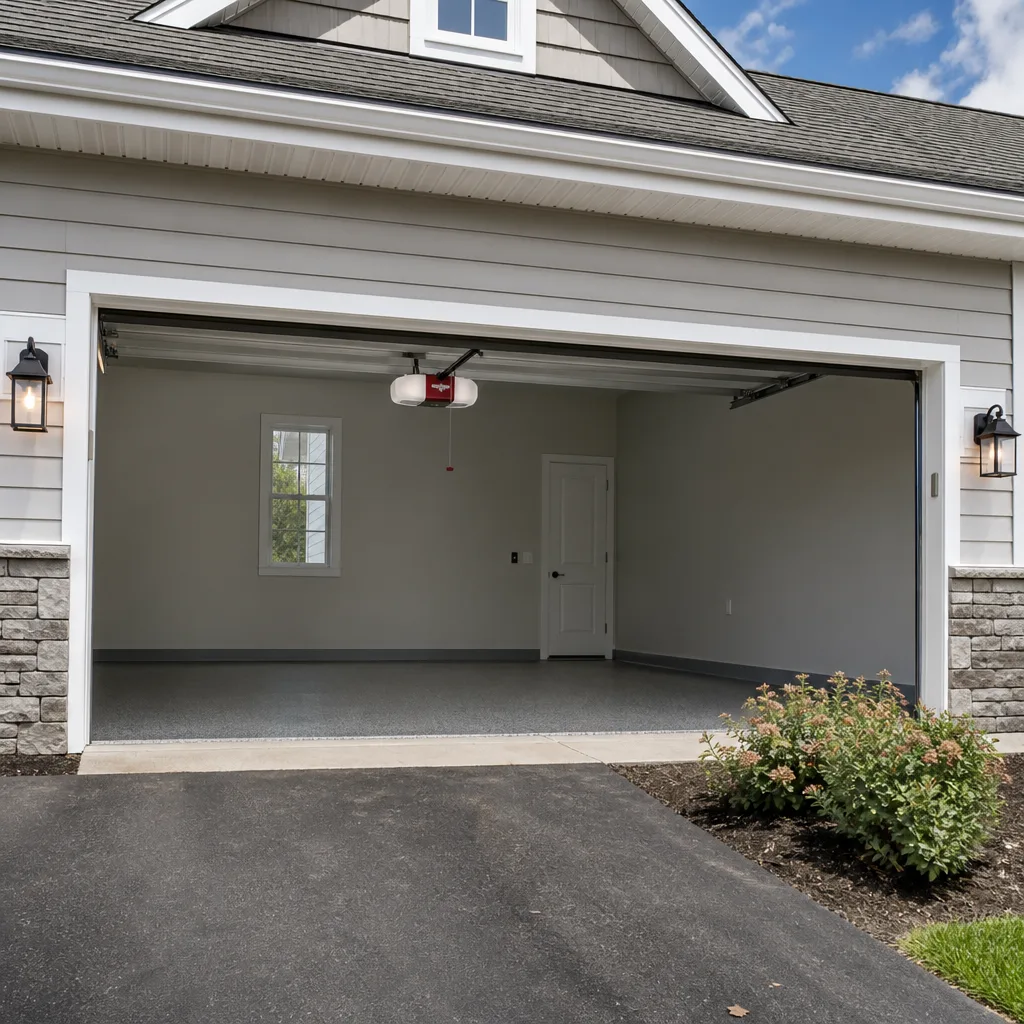 LiftMaster openers
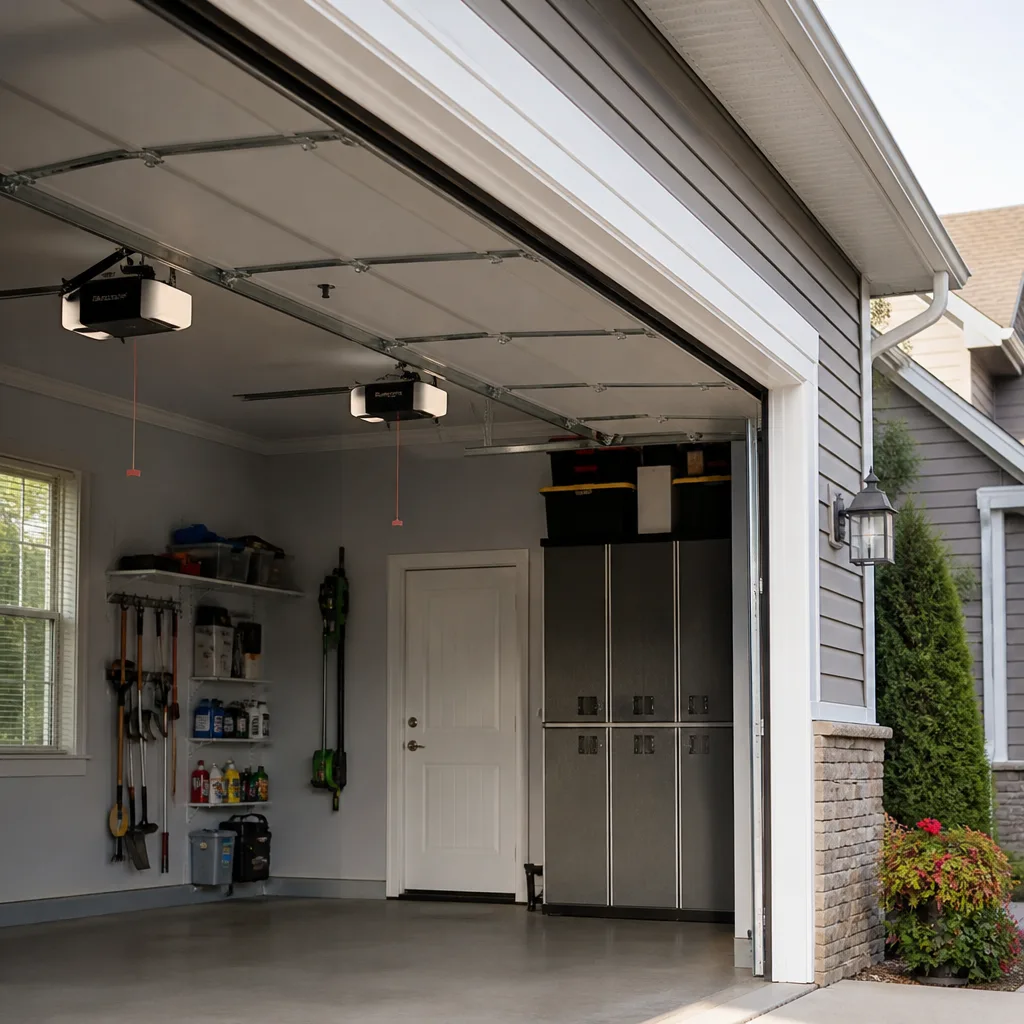 Chamberlain openers
Full 25-point door and opener safety check with every visit - springs, cables, rollers, tracks, and your LiftMaster or Chamberlain opener included
You get a price before we start. It does not change when the truck arrives.
Get your free estimateThe Complete Guide to Garage Doors in San Carlos
Most garage door guides read like they were written for a generic American suburb, and that’s exactly the problem. San Carlos sits on the Peninsula where coastal fog rolls up against valley heat, and the housing stock swings from 1950s ranch homes with surprisingly tight garage clearances to newer hillside builds with their own set of quirks. This guide maps garage door decisions directly to San Carlos realities: the fog, the heat, the clearances, and the truth about which doors actually work here. You’ll learn how to match a door to your home’s era, what materials hold up, what fails first, and when to stop diagnosing and call a specialist.
Quick Answer
The right garage door for a San Carlos home depends on your house’s era, garage headroom, and exposure to Peninsula fog versus valley heat. Older ranch homes often need low-headroom track systems, while newer hillside builds can support insulated sectional doors with smart openers. Material choice matters more here than in drier inland zip codes because the fog-to-heat swing stresses springs, hardware, and wood differently. A specialist who works across major brands like Clopay, Amarr, Wayne Dalton, and Genie can match the door to the structure rather than forcing a catalog pick onto the wrong footprint.
Styles & brands we work with
- Raised-panel steel
- Carriage house
- Modern flush
- Full-view glass
- LiftMaster openers
- Chamberlain openers
Table of Contents
- San Carlos Housing Stock and What It Means for Your Door
- Material Choice: Fog, Heat, and the San Carlos Microclimate
- Clearance Realities in Older San Carlos Ranch Homes
- Which Door Types Fit San Carlos Garage Footprints
- Why Hardware Corrodes Faster on the Peninsula
- A Decision Framework That Starts With the Structure
- Opener Selection: Matching Motor to Door and Home
- Maintenance Cadence for San Carlos Conditions
San Carlos Housing Stock and What It Means for Your Door
San Carlos wasn’t built all at once, and your garage door tells the story of when your house went up. The city has three dominant residential eras: mid-century ranch homes from the 1950s and 1960s, subdivision builds from the 1970s through 1990s, and newer hillside homes that climb toward the western edge of town. Each era came with its own door standards, rough opening dimensions, and clearance assumptions.
The mid-century ranch stock is where we see the most avoidable mistakes. These garages were framed when a single-piece tilt-up door was common, and the headroom between the top of the opening and the ceiling can run 2 to 3 inches less than a modern sectional track assumes. That doesn’t sound like much until a standard-radius track gets ordered and the installer discovers the top panel won’t clear the ceiling joists. A homeowner who doesn’t know their garage’s era ends up with a door that can’t be installed as quoted.
The 1980s and 1990s subdivision homes are more forgiving. Most were framed for 7-foot sectional doors with standard 12-inch radius tracks, and a good portion already have steel doors from the Chamberlain-era explosion in opener-driven convenience. The hinges and rollers may be tired, but the opening itself usually fits standard hardware without modification.
Newer hillside builds introduce a different variable: these garages are often deeper and taller, with room for 8-foot doors or even full-view aluminum, but the driveways and approach angles can make width a constraint. We’ve worked on San Carlos properties where a 16-foot door was framed but the approach made a 9-foot single door more practical for daily use. The takeaway: don’t assume your garage takes a “standard” door until you’ve measured what era gave you.
Material Choice: Fog, Heat, and the San Carlos Microclimate
San Carlos doesn’t get the brutal inland heat of Livermore or the constant marine layer of Pacifica, but it gets enough of each to matter. Morning fog that burns off by noon, followed by afternoon sun, means daily expansion and contraction cycles on every garage door surface. That swing is harder on materials than a stable climate, and it should drive your material decision more than any catalog photo.
Steel doors dominate San Carlos garages for good reason: they’re dimensionally stable, and a 24-gauge or 25-gauge panel with a polyurethane core handles the fog-to-heat cycle without warping. The failure point isn’t the panel; it’s the paint film, and that’s where the fog does its work. Moisture sits on the lower panels in the morning, and if the paint has even a hairline scratch, surface rust starts at the panel edges. A door with a factory-applied prime coat and a baked-on finish will outlast a cheaper door with a single coat of paint, no matter what the warranty says.
Wood doors are beautiful and period-correct for some San Carlos ranch homes, but they punish inattention. A solid wood door that faces afternoon sun will move: panels swell in fog season and shrink in dry heat, and the paint or stain becomes a maintenance line item rather than a one-time choice. If you’re committed to wood, a door with a moisture-resistant core and a factory finish beats site-finished lumber, and it should be sealed on all six sides, including the bottom edge, before it ever hangs.
Aluminum full-view doors, common on newer hillside builds, perform well in San Carlos’s specific climate because aluminum doesn’t rust the way steel does. But raw aluminum oxidizes, and a powder-coated finish is the difference between a door that still looks new at year three and one with chalky white bloom at panel seams. The fog accelerates oxidation at any cut edge, so a full-view door with uncoated cut edges will show clouding faster than the same door in a drier climate.
Clearance Realities in Older San Carlos Ranch Homes
Headroom is the quiet variable that decides whether a quote actually holds. In a modern garage, the ceiling sits high enough that a standard 12-inch radius track has room to arc the door panels from vertical to horizontal without conflict. In a 1950s San Carlos ranch, the ceiling may sit only 10 to 11 inches above the top of the opening. That’s not enough for standard track, and the fix isn’t a smaller door: it’s what the trade calls low-headroom track, and it changes the hardware package entirely.
Low-headroom track uses a double-track configuration that lets the door sit closer to the ceiling as it opens, and it requires different springs, different cable lengths, and a different operator bracket than standard track. A door installed with low-headroom hardware works fine, but the parts aren’t interchangeable with what’s on a standard door, and a technician who only carries one track profile will either walk away or, worse, install something that binds.
Side clearance matters too. Older San Carlos garages often have less than the 3.5 to 4 inches a torsion spring assembly wants on each side. The workaround is a rear-torsion setup that moves the springs to the back of the track, which adds cost and changes the balance point of the door. We’ve measured San Carlos garages where the side room was fine on paper but the water heater or an electrical panel sat exactly where the torsion tube needed to go. None of this appears in a generic guide, and it’s why a San Carlos-specific measurement is the only measurement that counts.
The practical step: before you pick a door style, have someone put a tape on your actual headroom, side room, and backroom. If headroom is under 12 inches, plan for low-headroom hardware from the start. If side room is under 4 inches, ask about rear-torsion or extension-spring alternatives. The door that fits your opening is the door that fits your house, not the one that looked right in a brochure.
Which Door Types Fit San Carlos Garage Footprints
San Carlos garages break into roughly three footprints, and the door type that works in one won’t necessarily work in the other. Matching door type to footprint is where most San Carlos homeowners get steered wrong, usually by a salesperson who sells one door style and tries to make it fit every garage in the city.
Sectional doors are the default for most San Carlos homes, and for the 1980s-and-newer stock they’re usually the right call. A sectional door travels on vertical and horizontal track, doesn’t swing into the driveway, and works with every opener platform on the market. The panels are replaceable individually, which matters when a car bump dents one section on an otherwise healthy door. Sectional doors also accommodate insulation well, and an insulated steel sectional is the most practical door for a San Carlos garage that does double duty as storage or a workspace.
Roll-up doors, the kind with a coil that sits above the opening, exist in San Carlos but they’re rare on single-family homes. They make sense where headroom is so tight that even low-headroom sectional track won’t fit, or where a garage has been carved into a hillside with essentially no ceiling above the opening. Roll-up doors sacrifice insulation and residential aesthetics, but they solve a clearance problem nothing else solves. If your garage sits under a low hillside overhang, a roll-up may be your only practical option.
Swing-out carriage doors, the ones that look like barn doors and open outward, are a design choice more than a clearance solution. They require a flat driveway approach and enough apron space that opening the doors doesn’t block the street or the sidewalk, which rules them out for many San Carlos lots with short driveways. They also don’t play well with standard openers, since they need a linear actuator or a specialty carriage-door opener, and that adds cost and a second service relationship. Carriage doors look right on a craftsman or ranch restoration, but they’re a lifestyle commitment, not a simple swap.
Why Hardware Corrodes Faster on the Peninsula
Springs, cables, hinges, and bolts on a San Carlos garage door age faster than the same parts in Walnut Creek or Fremont. The reason isn’t coastal salt spray; it’s the daily moisture cycle. Fog settles on cold metal overnight, burns off by mid-morning, and leaves a thin film of condensation in the hinges and spring coils just long enough to start oxidation. Repeat that a few hundred times a year and a galvanized spring that would last a decade inland starts showing surface rust in six or seven years here.
We see the accent in specific places: the spring coil itself, the cable drums, and the bottom brackets, which sit closest to the slab and catch drips from the door. A spring that rusts doesn’t snap because of the rust alone; it snaps because the rust eats at the coil surface and changes the spring’s fatigue behavior under tension. In San Carlos, a spring that’s visually rusted should be inspected sooner than the same spring in a dry climate, because the environment has already been doing mileage the odometer doesn’t show.
What helps is mechanical, not chemical. Galvanized or powder-coated hardware is the baseline; oil-tempered springs are standard, and the coating matters more than the spring’s rated cycle count in a moisture-heavy garage. Hinges with sealed bearings and nylon rollers resist the morning moisture better than cheap steel-on-steel rollers. And the single best thing you can do for a San Carlos garage door is keep the garage itself ventilated: a small vent or a brief morning airing cuts the condensation load dramatically. Hardware that stays dry lasts longer, full stop.
This is also where insulation plays a bonus role. An insulated door doesn’t just hold heat; it damps the temperature difference between the garage air and the outside air, which reduces the condensation cycle on the door’s interior face. The less the metal swings in temperature, the less moisture it collects, and the slower the hardware degrades. In San Carlos, insulation is a longevity decision as much as an energy decision.
A Decision Framework That Starts With the Structure
The right order of operations for a San Carlos garage door project is: structure first, door second, opener third. Most people start with a photo of a door they like and work backward, and that’s how you end up with a beautiful door that doesn’t fit the opening or a heavy door paired with an opener that can’t lift it. Here’s the sequence we use when we walk a San Carlos garage:
- Measure the opening and the clearances. Width and height of the opening, headroom above it, side room on both sides, and backroom depth. Write these down. If headroom is under 12 inches, low-headroom hardware is already on the list before you look at a single door style.
- Determine the door weight class. A non-insulated steel single door runs lighter than a wood or full-view aluminum panel. Weight drives spring sizing, and spring sizing drives opener duty. You can’t pick an opener until you know how much door it has to move.
- Choose the door material for your exposure. West-facing and fog-heavy? Steel with a quality paint warranty beats raw wood. Heavy tree shade and period restoration? Wood with a factory finish and sealed edges is defensible. Same climate, same budget: insulated steel wins on maintenance-to-longevity ratio in San Carlos.
- Match the track profile to the clearances you measured. Standard, low-headroom, or rear-torsion. This decision is made for you by the garage, not by preference.
- Pick the opener last. Belt-drive for attached garages where noise carries into the house, chain-drive for detached garages where a little noise doesn’t matter, and a jackshaft opener only where side room and the door type allow it. The opener’s job is to move the door you chose, not the other way around.
This sequence sounds rigid, but it’s the only one that prevents the two most common San Carlos outcomes: a quote that dies at measurement because the door won’t clear the headroom, and a door that’s installed but strains the opener because the weight class was guessed instead of measured. Start with the structure and every downstream choice gets easier.
Opener Selection: Matching Motor to Door and Home
The opener conversation deserves its own section because San Carlos garages are attached to the house more often than not, and the difference between a belt-drive and a chain-drive opener is something you’ll hear every morning the door cycles. A chain-drive opener on an attached garage transmits vibration straight into the ceiling joists, and in a 1950s ranch with a bedroom over the garage, that’s an alarm clock nobody asked for.
Belt-drive openers, with a steel-reinforced rubber belt instead of a metal chain, are quieter and smoother, and they’ve become the sensible default for attached San Carlos garages. The tradeoff is modest: belt-drives cost a little more up front and the belt is a wear item over a very long horizon. For a detached garage, a chain-drive is perfectly fine, and its lower cost makes sense when noise doesn’t travel into living space.
Brand compatibility is where specialists earn their keep. A home built in the 1990s may have a Genie opener with a legacy rail system that a new Chamberlain remote won’t pair to without a receiver swap. A newer build may have a LiftMaster with MyQ connectivity and a homeowner who wants a simple wall button. The opener is a system, not a commodity part, and matching the motor to the existing rail, the door weight, and the homeowner’s actual use pattern prevents a new opener from becoming an orphaned component.
Jackshaft openers, which mount on the wall beside the door instead of on the ceiling, solve real problems in San Carlos: garages with no headroom for a trolley rail, or owners who want to reclaim the ceiling for storage. But jackshaft openers need a door that stays balanced without opener assist, and they don’t work with every track profile. We’ve seen jackshaft openers recommended for low-headroom doors where they were the right idea poorly applied. The opener has to match the door’s balance behavior, and that’s something a generic installer won’t always check.
Maintenance Cadence for San Carlos Conditions
In a dry inland climate, a garage door might get away with lubrication every two years and a hardware check every three. In San Carlos, the fog-to-heat swing and the condensation it produces compress that schedule. Here’s a maintenance cadence that matches what we see in San Carlos garages month to month:
- Every six months: spray the hinges, rollers, and springs with a garage-door-specific lubricant. Don’t use WD-40 as a lubricant; it’s a solvent and it strips the existing lubricant film. A white lithium grease on metal-to-metal contact points and a silicone spray on nylon rollers works. Six months matches San Carlos’s fog season and dry season handoff.
- Once a year: check the door’s balance by disconnecting the opener and lifting the door manually. A balanced door stays at half height without drifting up or crashing down. If it doesn’t, the springs are tired and the door is overworking the opener.
- Once a year: inspect the spring coils and cable drums for surface rust. In San Carlos, rust is the earliest warning sign, and catching it before the spring fatigues is cheaper than a broken-spring call.
- Every two years: have a technician check the opener’s force settings and safety reversal. The force setting drifts as a door’s balance changes, and a reversal that doesn’t trip is a safety hazard, not just a maintenance item.
- After any noticeable change: if the door gets louder, jerks on the way up, or the opener runs longer than it used to, don’t wait for the next scheduled check. That’s the door telling you something changed, and in San Carlos’s moisture-heavy air the window between “noisy” and “failed” is shorter than it is inland.
Maintenance matters more here because the environment does more to the door. The same door on a San Carlos garage and a Tracy garage will age differently, and the maintenance schedule should acknowledge that. Half an hour twice a year is cheap insurance against a spring snapping or an opener burning out a gear at the worst possible moment.
Common Mistakes to Avoid
- Buying a door by style before measuring headroom. You wouldn’t buy a couch without measuring the doorway, but San Carlos homeowners order a door and discover the ceiling is 2 inches too low after the boxes are already in the driveway. Measure first, pick second.
- Lubricating with WD-40. It’s the most common maintenance mistake we see, and it actively makes the problem worse by washing out the lubricant film. Use a garage-door-specific lubricant, not a household spray.
- Ignoring rust on springs. In a dry climate you might get a year of warning. In San Carlos’s fog cycle, rusted springs snap with little notice because the moisture has been working on the metal for months before the visible rust appears.
- Assuming a “standard” opener fits any door. Door weight, rail length, and track profile all determine whether a given opener can actually lift the door. A heavy wood door on a light-duty opener is a gear failure waiting to happen, and a jackshaft opener on the wrong track profile never works right.
- Replacing one spring instead of both. When one spring snaps, the other has the same age and the same mileage. Replacing one leaves the door unbalanced and puts a new spring next to a tired one. A matched pair is the standard for a reason, and in San Carlos conditions the older spring is further along than it looks.
- Choosing the cheapest quote without comparing hardware assumptions. Two quotes for the “same” door aren’t the same if one assumes standard track and one includes low-headroom hardware, or if one prices a 24-gauge panel and the other a 26-gauge. The written estimate should state the hardware, the gauge, and the spring cycle rating, not just a door style and a price.
- Skipping the safety reversal check. The reversal mechanism is the only thing between a closing door and a person or pet underneath it. A door that closes on a piece of lumber and doesn’t reverse is a safety failure, and it needs attention immediately, not at the next tune-up.
See the difference
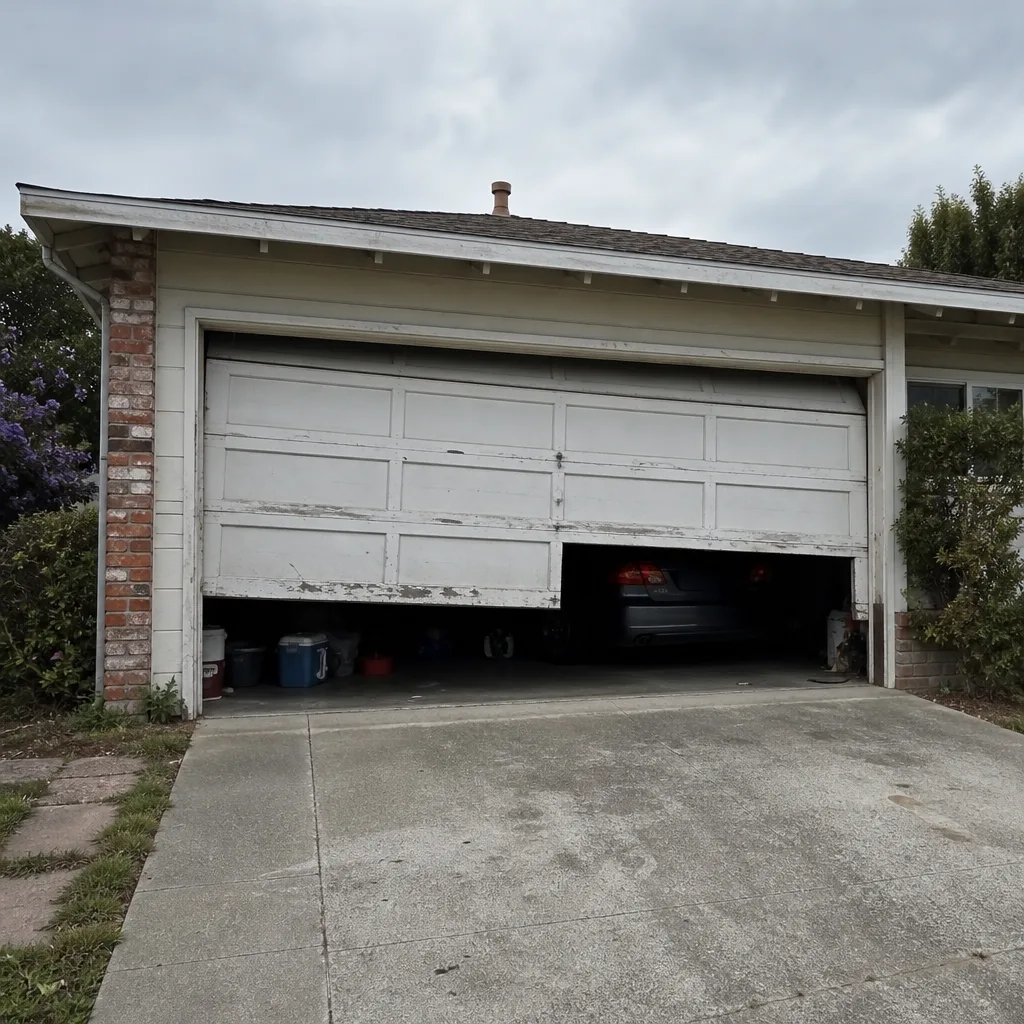 Before
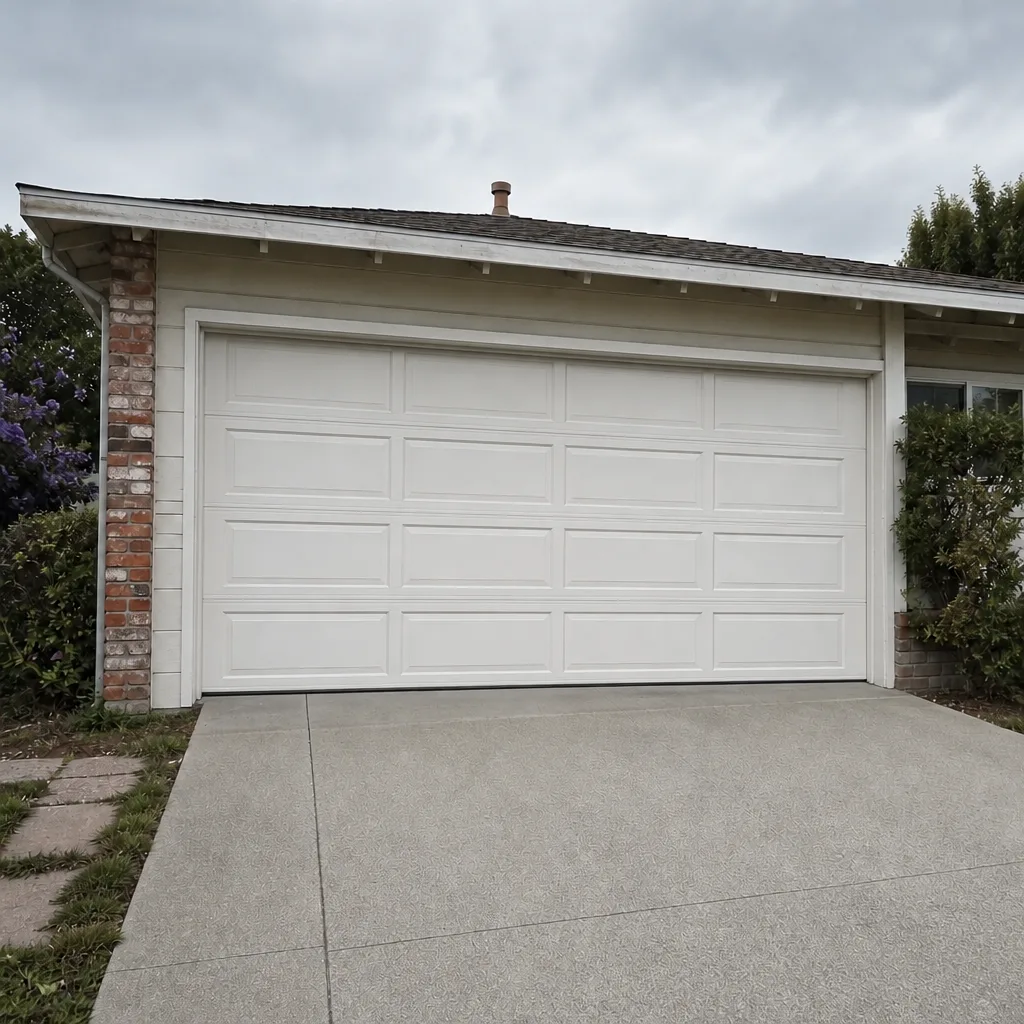 After
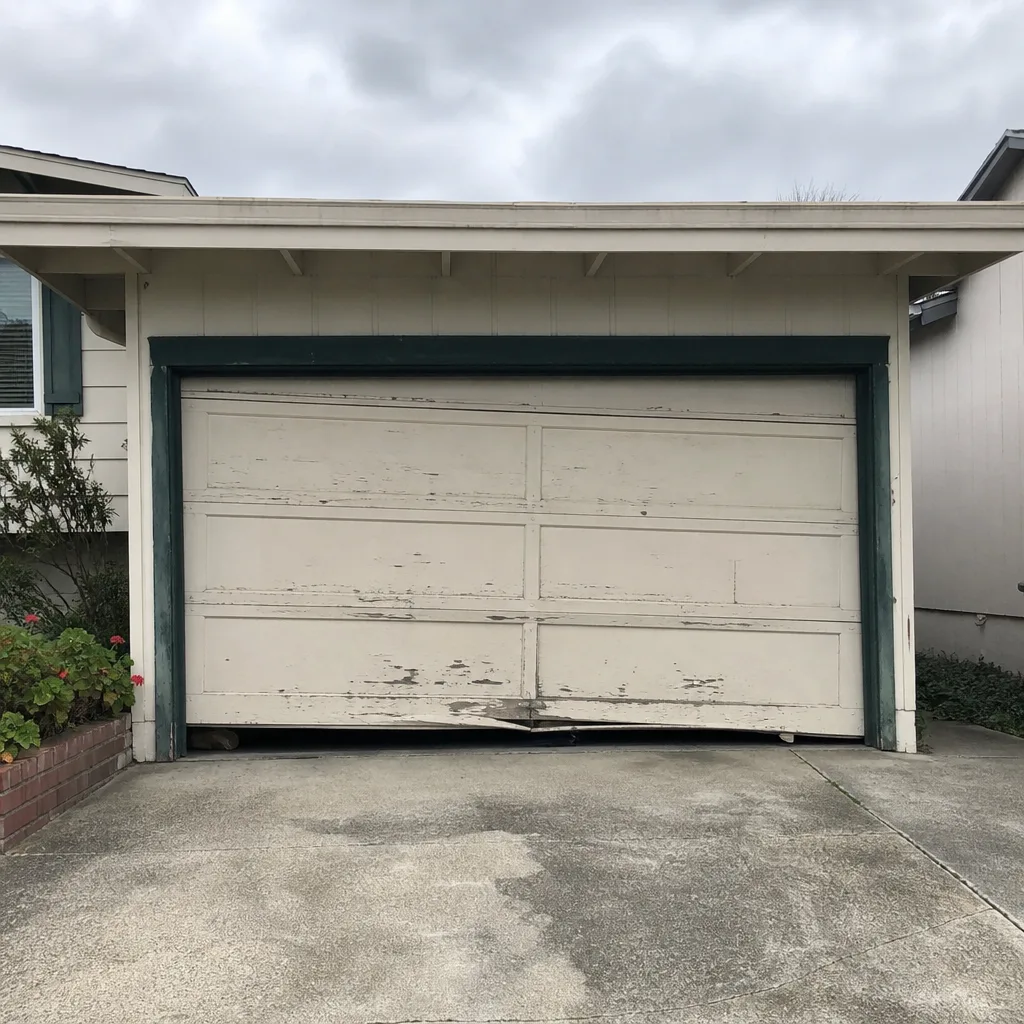 Before
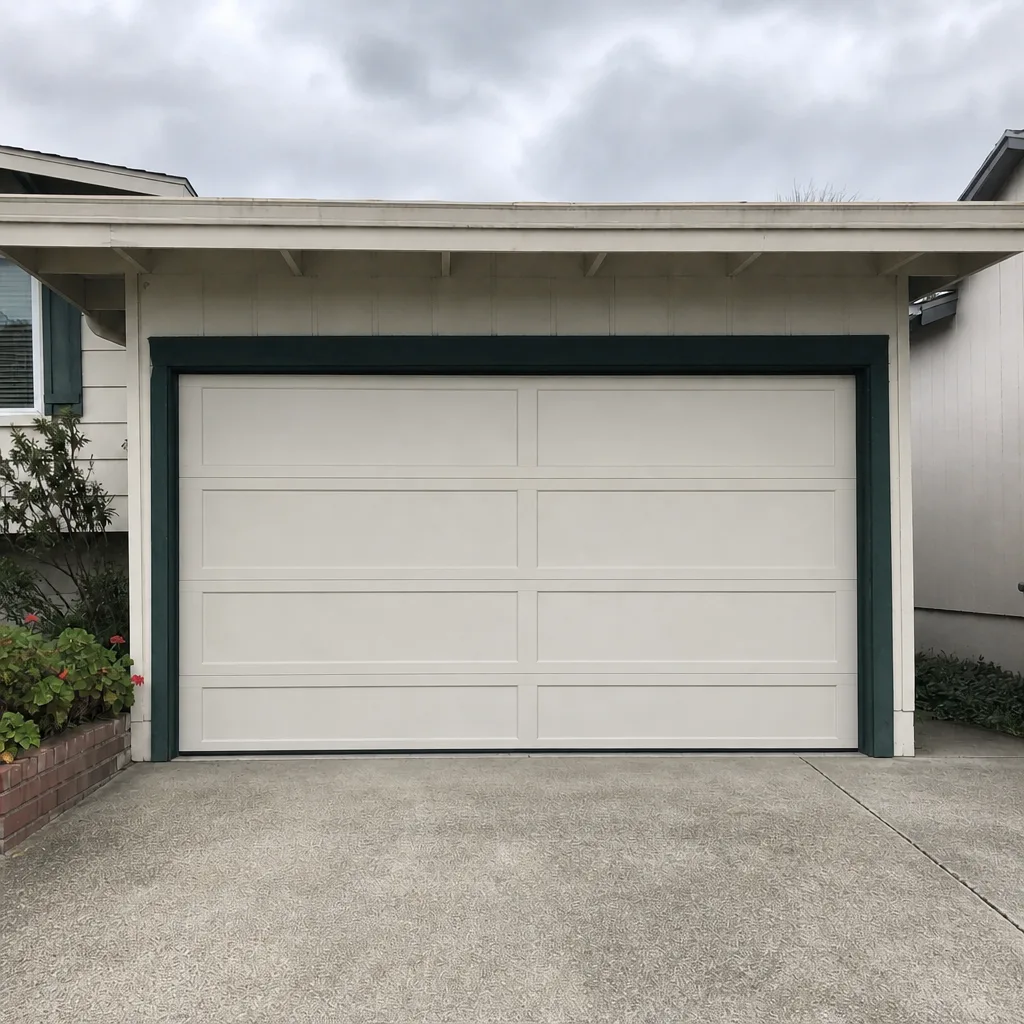 After
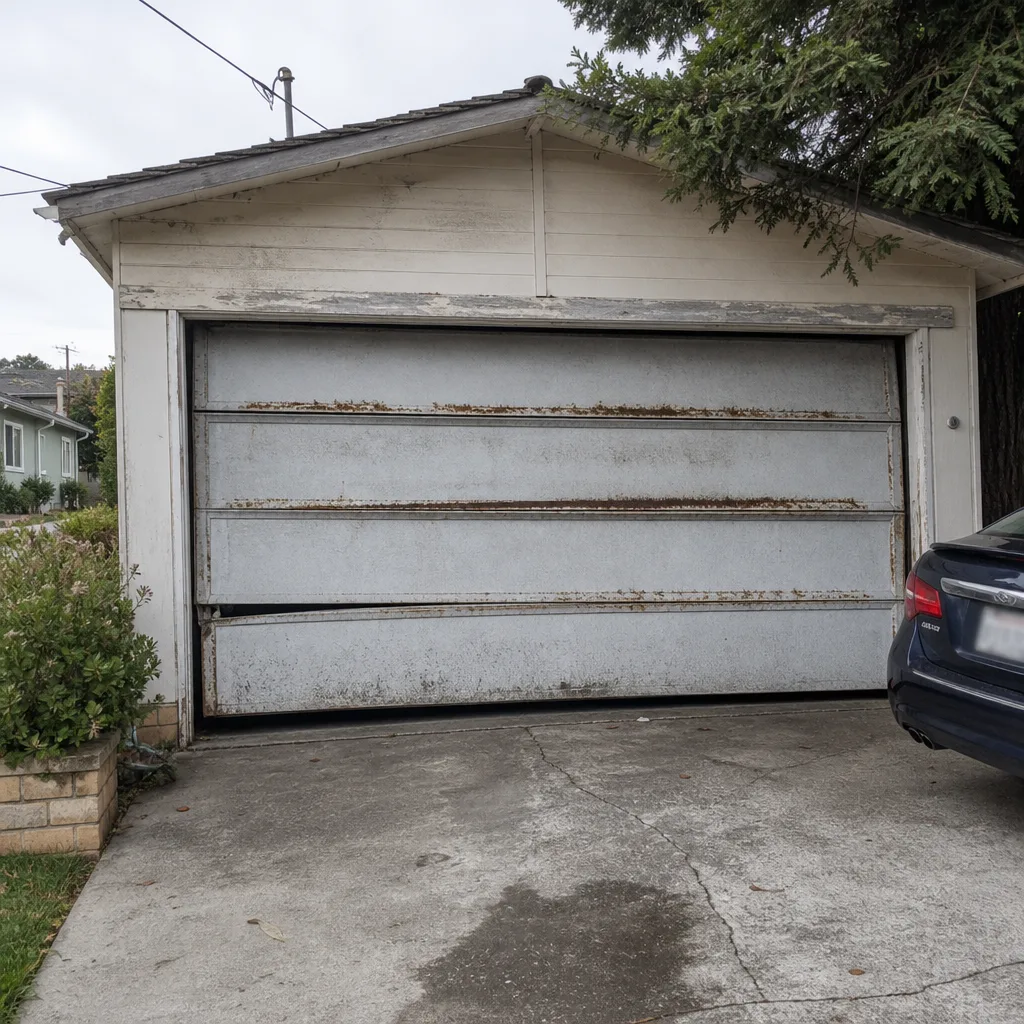 Before
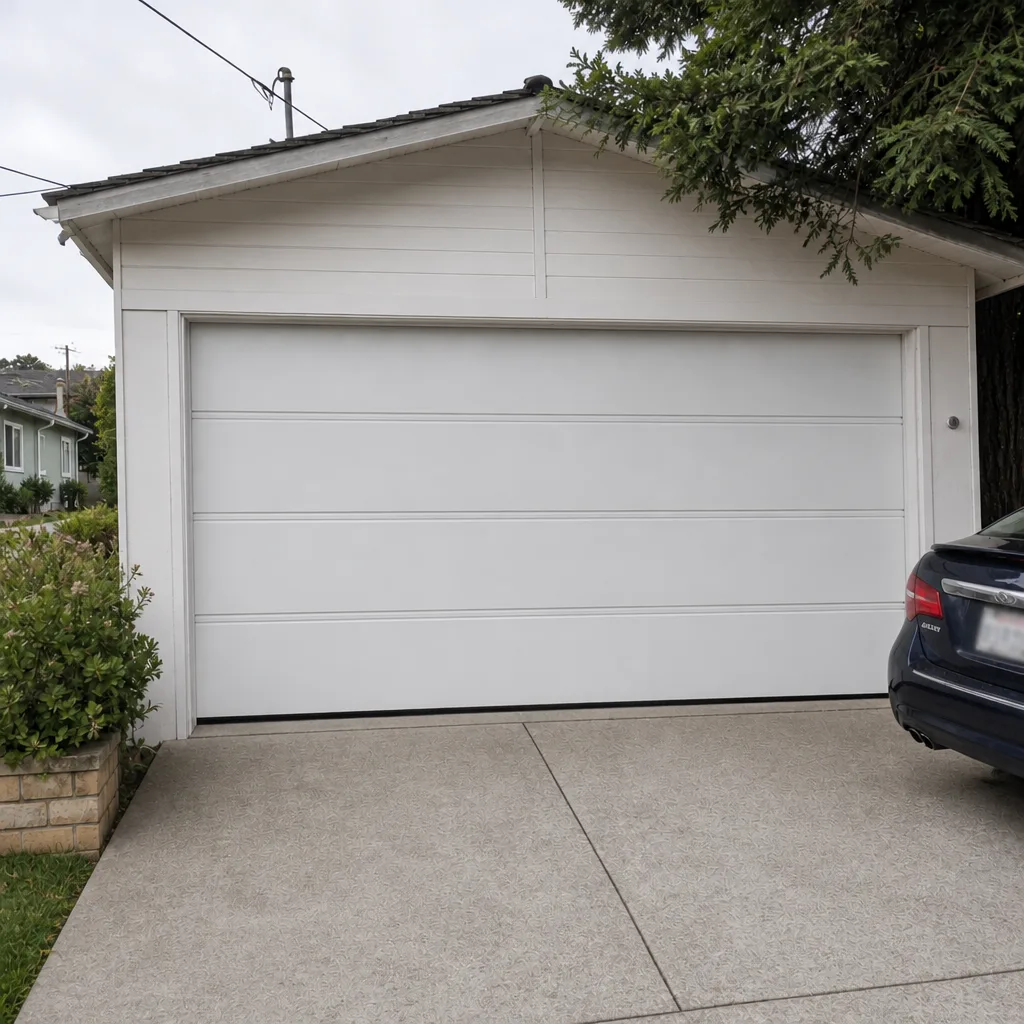 After
When to Call a Professional
Some garage door work is genuinely safe to handle yourself: lubricating hinges, checking balance by hand, and tightening visible bolts. But springs, cables, and any repair under tension are not DIY territory. A torsion spring holds enough energy to cause serious injury if it lets go, and a cable under load can cut through gloves like they aren’t there. If the door doesn’t open smoothly, the spring shows visible rust or an uneven coil gap, or the door hangs crooked in the opening, stop using it and get a trained eye on it. Rockport Garage Door Repair is a Rockport Garage Door Repair specialist, not a general handyman service, and we work on the brand you already have. For San Carlos homeowners, we offer free estimates on repairs, openers, and full installations. Call (855) 393-4573. We answer 24/7. Fast dispatch from 7am to 7pm, Sunday through Friday.
Frequently Asked Questions
Costs are set per job by the written estimate, and the range depends on the door type, insulation level, and whether low-headroom hardware is required. A single spring replacement is priced per spring, and springs are usually replaced as a matched pair, which costs about twice the single-spring price. We quote the full price before any work starts, so the number on the estimate is the number you approve. Call (855) 393-4573 for a free estimate.
If your garage has less than 12 inches of headroom above the opening, low-headroom track is likely required to make a sectional door travel without hitting the ceiling. San Carlos ranch homes from the 1950s and 1960s often have 10 to 11 inches, which is below the standard-track assumption. Have a technician measure before ordering hardware, because a door ordered for standard track may not install as quoted. Call us and we’ll measure and confirm what your garage actually needs.
Insulated steel with a quality factory finish generally offers the best longevity-to-maintenance ratio in San Carlos, because steel doesn’t warp in the fog-to-heat swing and a good paint film resists the moisture cycle. Wood doors need more maintenance in San Carlos’s daily condensation cycle, and raw aluminum will oxidize at cut edges if not properly coated. The best choice depends on your garage’s exposure, and we can walk through the tradeoffs for your specific home.
Yes, most repairs are completed same day. We answer 24/7, and we dispatch from 7am to 7pm, Sunday through Friday. If the door is bound up, making a grinding sound, or one side is hanging lower than the other, call (855) 393-4573 and we’ll get a technician to your San Carlos home on the next available dispatch.
The written estimate is the price you approve before any work starts. If we open the job and find something materially different from what was quoted, we stop and explain what changed before doing anything else. Nothing gets added to the invoice without your approval. That’s how we run every San Carlos job.
We work on the brand you already have. Our technicians are certified on eight of the most widely installed garage door and opener brands in residential use, including Clopay, Amarr, Wayne Dalton, Genie, LiftMaster, Chamberlain, Craftsman, and Raynor. Whether it’s the door, the drive, or the opener, we diagnose the system and fix what’s failing rather than pushing a replacement you don’t need.
The Bottom Line
Your San Carlos garage door is a system shaped by your house’s era, your garage’s clearances, and the Peninsula’s fog-and-heat rhythm. A door that works in Phoenix advice doesn’t work on a 1950s ranch with 10 inches of headroom and daily condensation on the springs. The right sequence is structure first, door second, opener third, and the smartest move is to measure before you shop. If the door is failing, don’t push it: springs and cables under tension don’t forgive mistakes. garage door repair in San Carlos starts with a proper diagnosis, and garage door opener repair covers the motor and drive side when the door itself is sound. We’re a dedicated garage door company serving San Carlos, and we’ll give you a free estimate and a straight answer. Call (855) 393-4573. We answer 24/7. Fast dispatch from 7am to 7pm, Sunday through Friday.
Written by the team at Rockport Garage Door Repair, serving San Carlos since 2014.