
Last updated November 4, 2026
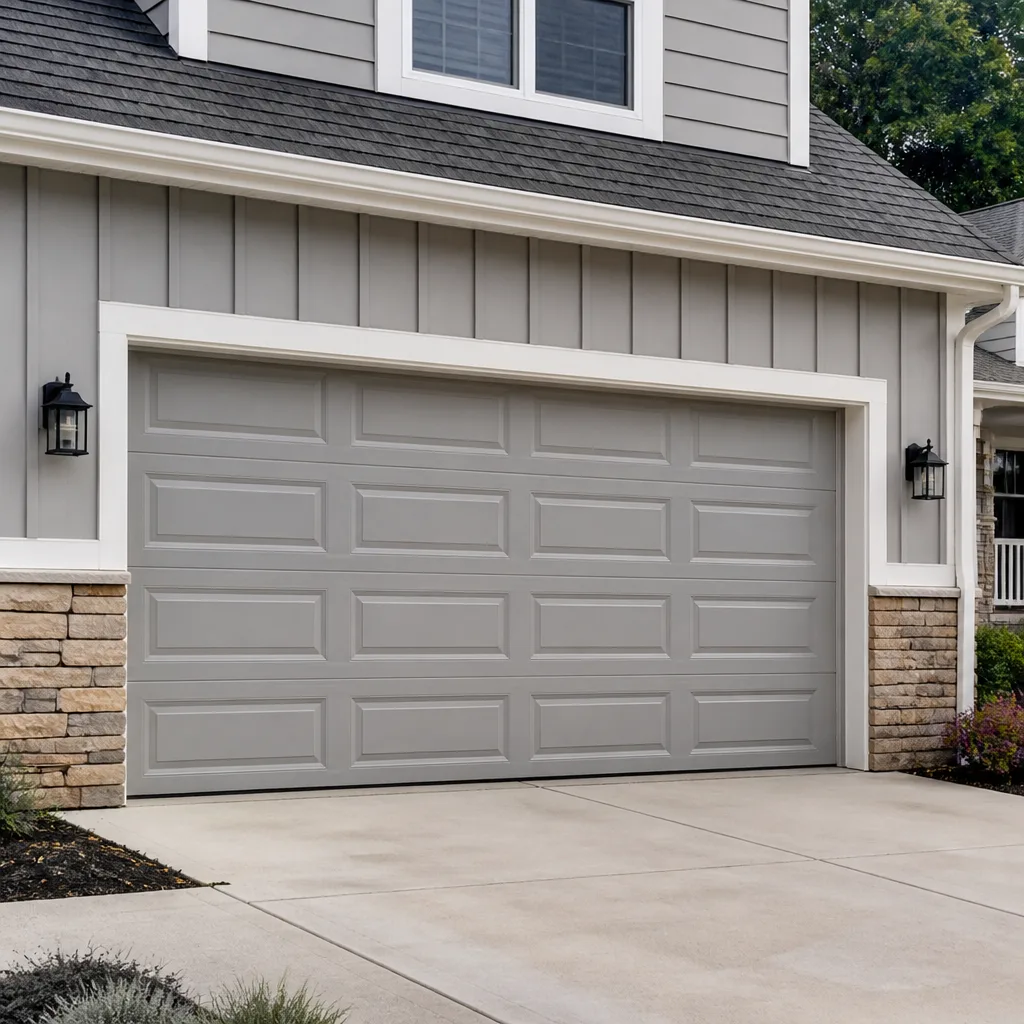 Raised-panel steel
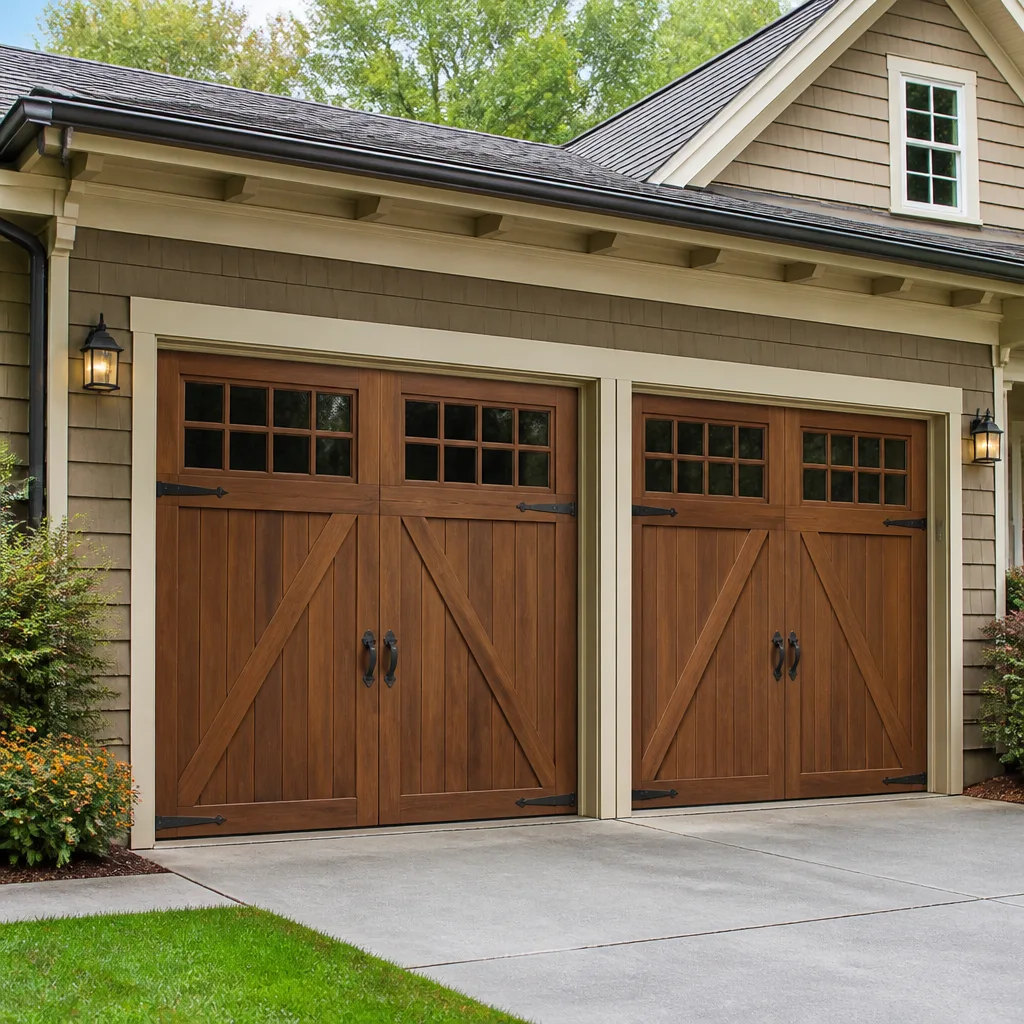 Carriage house
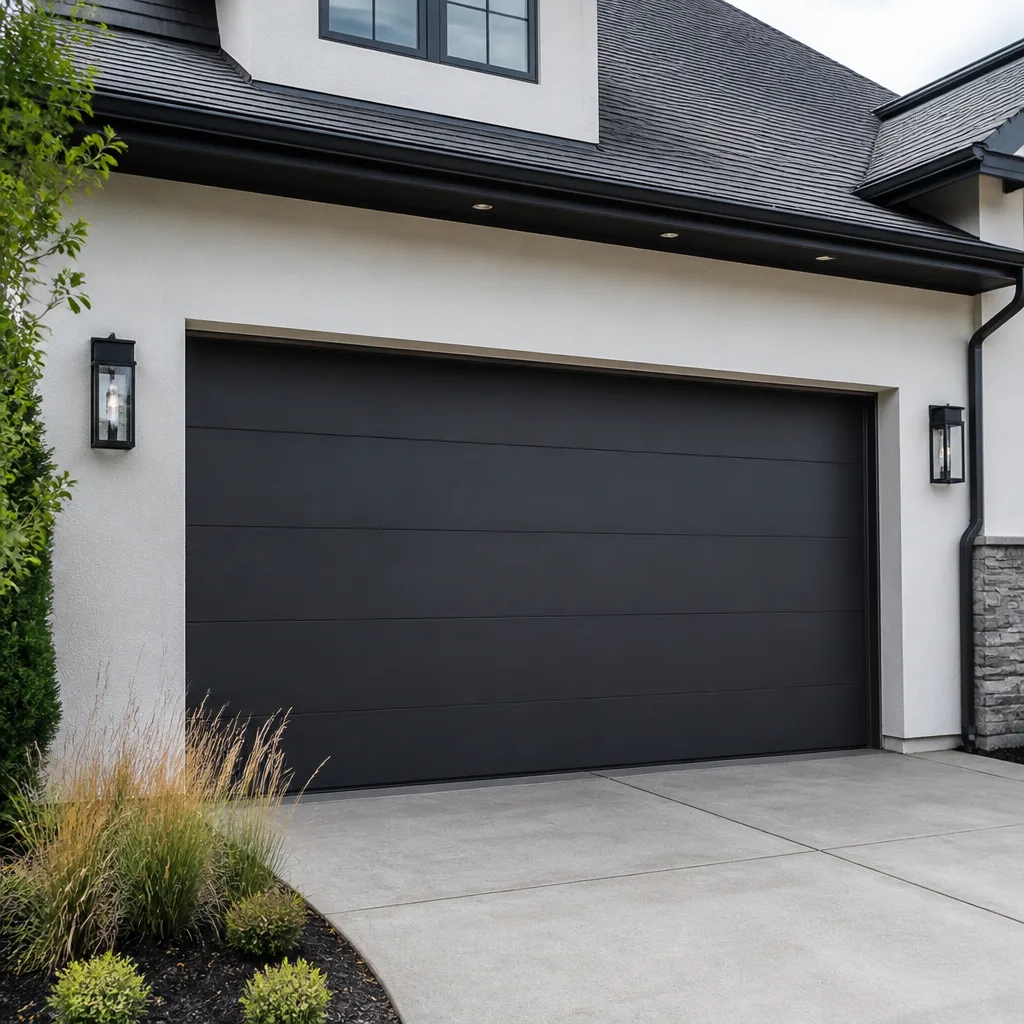 Modern flush
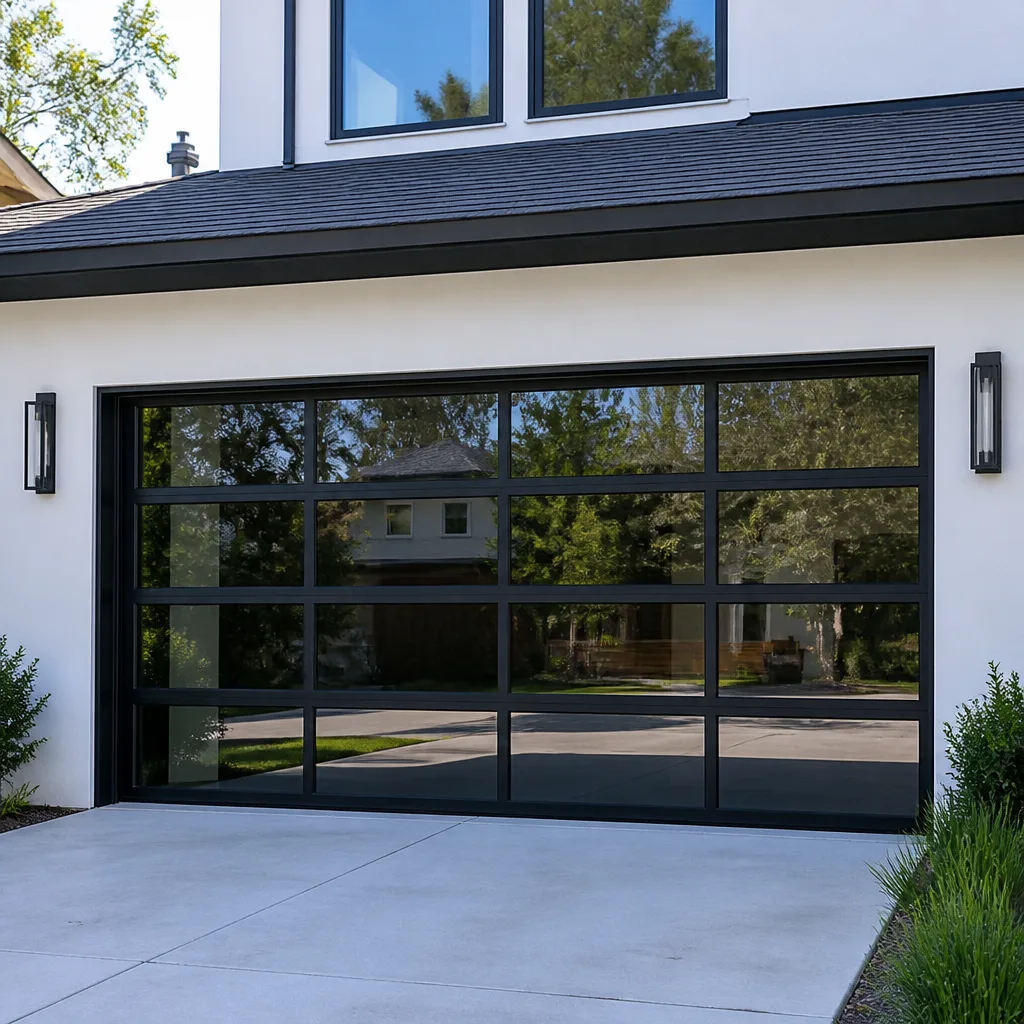 Full-view glass
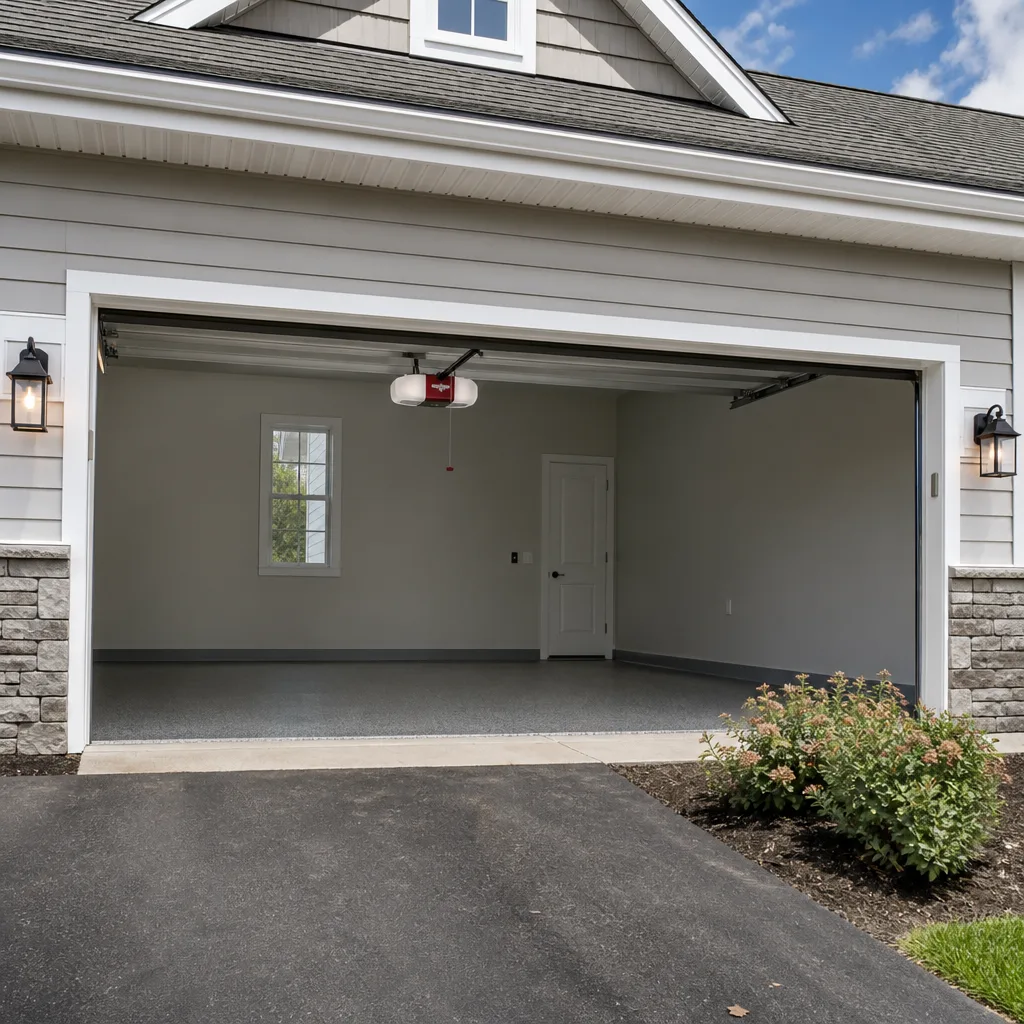 LiftMaster openers
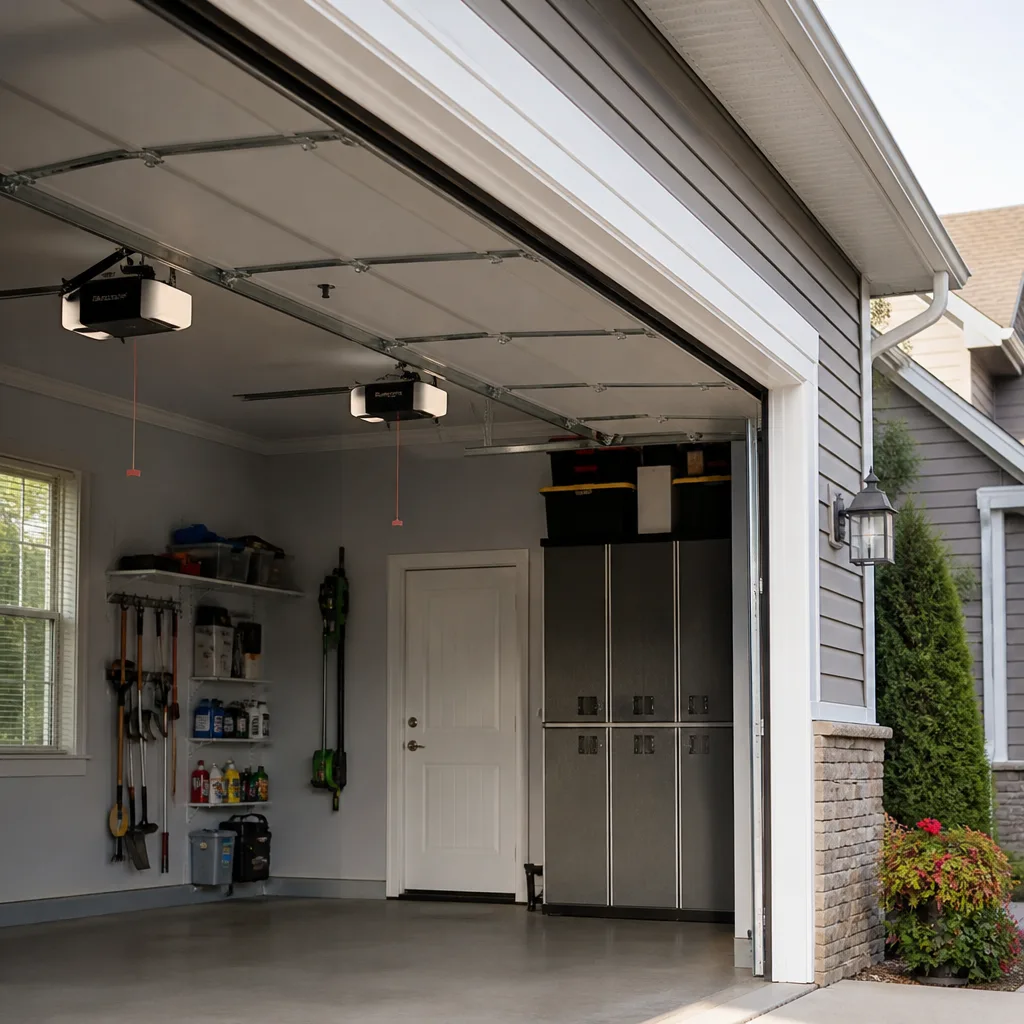 Chamberlain openers
Full 25-point door and opener safety check with every visit - springs, cables, rollers, tracks, and your LiftMaster or Chamberlain opener included
You get a price before we start. It does not change when the truck arrives.
Get your free estimateGarage Door Emergency Preparedness Guide for San Carlos Homes
Most San Carlos homeowners think about earthquake preparedness in terms of water heaters, gas lines, and bookshelves. The garage door rarely makes the list. That’s a blind spot, because the largest moving object in your house is also the one most likely to trap your car inside exactly when you need it. After a quake or a major power outage, the difference between a manageable inconvenience and a genuine emergency often comes down to one thing: whether you know how to open your garage door manually. This guide covers the steps to take now, the inspection protocol to follow after shaking stops, and the upgrades worth considering for San Carlos specifically.
Quick Answer
Garage door emergency preparedness for San Carlos homes means knowing how to manually disengage and operate your door during a power outage, inspecting the door and tracks for damage after an earthquake before attempting to operate them, and understanding seismic risks specific to older soft-story construction in the area. Have an emergency release plan, know your door’s balance point, and keep a professional contact on hand for structural issues.
Styles & brands we work with
- Raised-panel steel
- Carriage house
- Modern flush
- Full-view glass
- LiftMaster openers
- Chamberlain openers
Table of Contents
- How to Manually Operate Your Garage Door During a Power Outage
- Post-Earthquake Inspection Protocol for San Carlos Homes
- Seismic Sensor Options for Garage Door Openers
- Soft-Story Garage Risk in Older San Carlos Homes
- Emergency Contact and Documentation Prep
- Common Mistakes to Avoid
- When to Call a Professional
- Frequently Asked Questions
How to Manually Operate Your Garage Door During a Power Outage
The single most useful skill any San Carlos homeowner can learn is how to disengage the opener and lift the door by hand. Power outages happen here for reasons that have nothing to do with earthquakes: strained grid days during heat waves, equipment failures, and PG&E public safety power shutoffs during high fire risk periods. When the opener has no power, the door is still operable, but only if you know the sequence and your door is in reasonable balance.
Step 1: Locate the Emergency Release Cord
Look for a red cord hanging from the opener rail that runs along the ceiling. It’s usually within arm’s reach when you stand just inside the door. This cord disconnects the door from the opener carriage. Familiarize yourself with it now, in daylight, not during an outage in the dark. Keep a flashlight near the interior garage door entry, or know where your phone is.
Step 2: Ensure the Door Is Fully Closed
Pull the release cord only when the door is fully closed. If the door is open and you pull the cord, the door can crash down. The spring system is under tension, and a door that’s partially open and disconnected from the opener is unpredictable. If the door is stuck open during an outage, leave it and call a professional.
Step 3: Pull the Cord Straight Down
Pull firmly down toward the floor. You’ll hear a click or feel the carriage release. The door is now in manual mode. Some older openers require pulling back toward the opener, but most residential units release with a straight downward pull.
Step 4: Lift the Door by the Handle or Bottom Edge
Bend your knees, grip the door’s emergency release handle or the bottom edge, and lift evenly. A properly balanced door should feel heavy but manageable, roughly 40 to 60 pounds. If you can’t lift it with one arm using reasonable effort, the springs may be broken or the door is off track. Do not force it. Garage door springs under tension are dangerous and should never be adjusted by hand.
Step 5: Close and Secure the Door
Once your car is out or you’ve retrieved what you need, pull the door down. Use a C-clamp or locking pliers on the track just above a roller to keep it closed if you’re leaving the house with the door in manual mode. You can also use the slide lock if your door has one. When power returns, pull the release cord again while the door is closed, then run the opener once to re-engage the carriage.
Walk through this sequence once a year. It takes five minutes. Knowing it by muscle memory means you won’t be reading instructions by phone light while your family waits.
Post-Earthquake Inspection Protocol for San Carlos Homes
After an earthquake, the instinct to open the garage door and check on things is strong. Resist it until you’ve done a quick visual inspection. The door is heavy and connected to a track system that may have shifted. Operating a damaged door can turn a minor problem into a significant repair or a safety hazard.
- Look before you touch. Stand back and check the door itself. Is it seated evenly in the opening? Are there visible bends, buckles, or gaps between panels? A door that looks fine can still be off balance.
- Check the tracks. Vertical tracks on either side should be parallel, with no visible twisting. Horizontal tracks near the ceiling should be straight. Loose bolts or pulled fasteners where the track meets the wall are red flags.
- Listen for creaking or scraping. If the door is still connected to the opener and you try to move it, a new scraping sound means a roller is off or a track shifted. Stop immediately.
- Test balance manually. Disengage the opener using the red cord. Lift the door about halfway and let go. It should stay in place. If it drops or rises, the springs have a problem. Don’t try to adjust springs yourself.
- Inspect the opener. Look at the motor unit for any signs it pulled away from the ceiling mounts. Check that the rail is still aligned. Do not run the opener until you’ve manually confirmed the door moves freely.
In San Carlos, many homes sit on fill or near the San Andreas and Hayward fault zones, which means ground shaking can be amplified depending on soil type. Even a moderate quake can shift a door that’s been installed for 15 years. Rockport Garage Door Repair has worked on Rockport Garage Door Repair systems in homes across the Peninsula and we see a pattern: doors that survive a quake often fail quietly a week later because a track was subtly knocked out of true. If anything about your post-quake door feels different, treat it as damaged until a specialist says otherwise.
Seismic Sensor Options for Garage Door Openers
Most San Carlos homeowners know about earthquake shut-off valves for gas lines. Far fewer know that a garage door opener can be equipped with a seismic sensor that triggers the door to open or lock out after a quake. These devices aren’t standard, but they address a real problem: after strong shaking, an automatic opener may not work, and the door may be too jammed to open manually if the structure shifted.
How They Work
A seismic sensor mounts near the opener and detects ground acceleration. When shaking passes a threshold, the sensor sends a signal to the opener. Depending on the model and how it’s wired, it can either disengage the door and lock it in place, preventing it from crushing a car or person if the tracks fail, or trigger a controlled open so the garage remains accessible as an exit. The logic varies by manufacturer. Some are designed for commercial fire doors and adapted for residential use.
Who Should Consider One
If your garage is attached to the house and contains your only vehicle, or if you park in a garage with living space above it, a seismic sensor is a reasonable investment. It’s also worth considering if your garage door is the primary entry point for a family member with limited mobility. For a detached garage with a manual overhead door, the value drops because there’s no opener to control.
Compatibility
Sensors are generally compatible with major opener brands including LiftMaster, Chamberlain, Genie, and Raynor, but the wiring method varies. Some connect to the opener’s dry-contact input. Others require a relay or a smart-home controller. We recommend asking a garage door specialist about compatibility before buying a sensor, since installing one on the wrong opener can void the warranty or create a false-trigger problem.
We work on the brand you already have. If you’re not sure whether your opener supports a seismic sensor, that’s a diagnosis call, not a sales call.
Soft-Story Garage Risk in Older San Carlos Homes
Some of the most charming streets in San Carlos are lined with homes built before the 1960s, and many of those homes have a configuration called a soft-story garage. This means the garage is at street level with living space above it, and the garage door opening takes up a large portion of the front wall. Without proper bracing, that large opening acts like a hinge point during an earthquake.
What a Soft-Story Situation Looks Like
- Original construction from the 1940s through the 1960s, common in the White Oaks and Howard Park neighborhoods of San Carlos.
- Living space directly above the garage, often with a bedroom or kitchen over the door opening.
- Minimal wall space on either side of the garage door, sometimes less than two feet.
- A garage door that faces the street and takes up most of the front elevation.
Why It’s the Highest-Priority Risk
During lateral shaking, the wall containing the garage door has far less shear strength than a solid wall. If the opening racks, the door can bind, jam, or pop out of its tracks. The structure above it can settle unevenly. The garage door itself becomes part of the bracing problem because it’s the only flexible element in an otherwise rigid wall. When the door jams, it also blocks the most obvious exit path.
This is a structural engineering question, not a garage door repair question. The fix typically involves adding steel moment frames, plywood shear panels, or posts at the corners of the opening. A garage door company can tell you if the door, tracks, and opener are compromised, but the structural retrofit is a licensed contractor’s scope. What you should do before that retrofit is make sure the door itself is properly maintained and balanced, because a balanced door is less likely to bind against a racking opening.
San Carlos homeowners in older flatland neighborhoods should know if their garage falls into this category. If it does, and the door hasn’t been checked in years, start there. A door that moves freely in normal conditions is one less variable in an earthquake scenario.
Emergency Contact and Documentation Prep
Before an emergency happens is when you should assemble a small but specific set of items. This takes 20 minutes and costs almost nothing. Keep these together in a folder in the garage or stored digitally where every family member can reach them.
- A photo of your garage door from outside and inside. After an earthquake, you’ll use these to compare against the current condition. Images of the panel alignment, the tracks, and the spring assembly help a specialist understand what changed without being there.
- The brand and model of your opener. Write down the manufacturer name and model number from the motor unit. LiftMaster, Chamberlain, Genie, Raynor all have different release mechanisms and sensor compatibility. Having this written down saves time on the phone.
- A photo of the door brand label. Panel manufacturers stamp a label on the edge of a section or on the inside of the door. Clopay, Amarr, Wayne Dalton, and others put model numbers there. This helps with ordering parts and identifying spring requirements.
- Your garage door professional’s number. Write down (855) 393-4573, or save it in your phone. Rockport Garage Door Repair offers garage door opener repair and full door service throughout San Carlos.
- A note on where the emergency release cord is and how to use it. Not for you. For a house sitter, a family member who doesn’t use the garage, or a neighbor helping after a quake.
- Your homeowner’s insurance policy number and claims phone number. Garage door components are often covered as part of the dwelling, but the deductible may exceed the repair cost. Knowing the numbers now means less scrambling later.
Think of this as the garage door version of the earthquake kit in your hall closet. You hope not to need it. You’ll be glad it’s there.
Common Mistakes to Avoid
- Pulling the emergency release cord while the door is open. This is the most common and most dangerous mistake. The door can slam down with enough force to injure someone. Always close the door first.
- Testing the door’s balance by watching it open automatically. An opener can mask a broken spring for weeks because the motor is doing the lifting. The manual test, lifting the door halfway by hand, is the only way to know for sure.
- Assuming a working opener means the door is fine after an earthquake. The opener only moves the door. If the tracks shifted or the panels bent, the opener will strain against the damage, worsening it. Do a visual check before running the opener.
- Waiting until a hot day with a power shutoff to learn the manual release. San Carlos gets occasional PSPS events during fire season. Learning the manual sequence now, when there’s no pressure, protects you later.
- Using a garage door stuck open as an all-night entrance. If your door fails open and you can’t close it, treat the house as unsecured until the door is fixed. Don’t leave it open with the interior door unlocked.
- Ignoring a door that’s slightly slower on one side. That’s often the first sign of a track problem or a failing spring. Small issues become emergency issues when an earthquake adds lateral force.
When to Call a Professional
Some things are safe to handle yourself. The manual release sequence, basic visual inspections, and keeping documentation are all homeowner-level tasks. But garage door springs, cables, tracks, and openers are not DIY territory. If your door doesn’t lift manually with reasonable effort after an outage, if you see a visible kink in a track or a gap between panels after an earthquake, or if the door moves unevenly, call a specialist. If you hear a loud bang from the garage and find a broken spring, stay away from the door and call. Don’t try to climb under or around a partially open door on a floor jack. Rockport Garage Door Repair offers garage door repair in San Carlos, working on LiftMaster, Chamberlain, Genie, and other brands already installed in Peninsula homes. Call (855) 393-4573 for a free estimate. We answer 24/7. Fast dispatch from 7am to 7pm, Sunday through Friday.
Frequently Asked Questions
Pull the red emergency release cord while the door is fully closed, then lift the door by hand using the bottom handle or edge. It should take moderate effort. Then close it and secure it with a clamp on the track if you’re leaving. Run the opener once after power returns to re-engage it. Call (855) 393-4573 if you can’t lift the door, because that usually means a broken spring.
Check that the door is seated evenly in the opening, the tracks on both sides look straight and fastened to the wall, and the opener rail hasn’t pulled from the ceiling. Then try the manual lift test at the halfway point. If anything looks shifted, scrapes, or creaks, don’t run the opener. Call for a professional inspection instead.
If you have an attached garage with living space above it or you rely on the garage as your main exit, a seismic sensor is a reasonable upgrade. It can be wired to a LiftMaster, Chamberlain, Genie, or Raynor opener. Check compatibility with a specialist before buying, since installation requirements vary.
If your garage is at street level with living space above it, the garage door takes up most of the front wall, and the home was built before the 1960s, you likely have a soft-story configuration. Neighborhoods like White Oaks and Howard Park have many of these. A structural engineer evaluates the retrofit, but a garage door specialist can tell you if the door and tracks are in shape to handle the added stress.
Usually, yes, but only if the door is properly balanced and the tracks are undamaged. A well-maintained door should open manually during an outage and operate normally once power returns. A door with broken springs or shifted tracks won’t work and shouldn’t be forced. We answer 24/7. A call outside dispatch hours is booked into the next opening, Sunday through Friday, 7am to 7pm.
Have photos of the door from outside and inside, the brand and model of your opener, and a description of what you observed after the earthquake or outage. This helps the specialist bring the right parts and diagnose faster. Call (855) 393-4573. Estimates are free, and the price is set per job by written estimate before any work starts.
The Bottom Line
Garage door emergency preparedness in San Carlos comes down to three things: knowing how to manually operate your door, knowing what to inspect after an earthquake, and knowing your home’s structural situation, especially if you have a soft-story garage. The manual release sequence takes five minutes to learn and should be practiced once a year. The post-quake inspection is mostly visual and can prevent a small problem from becoming a major repair. Document your door and opener now, and keep a specialist’s number handy. In a town where seismic risk is a fact of life, a prepared garage is one less thing to worry about when the shaking starts.
Written by the team at Rockport Garage Door Repair, serving San Carlos since 2014.
See the difference
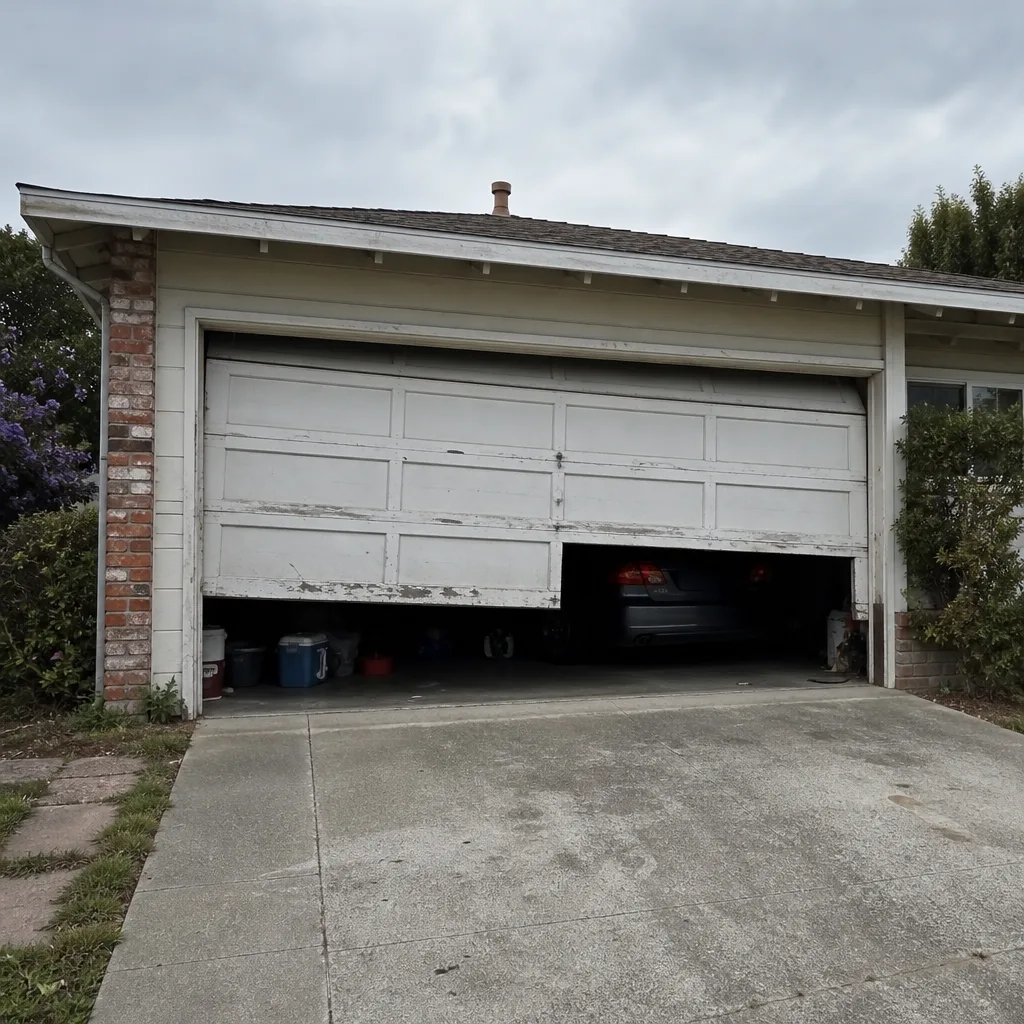 Before
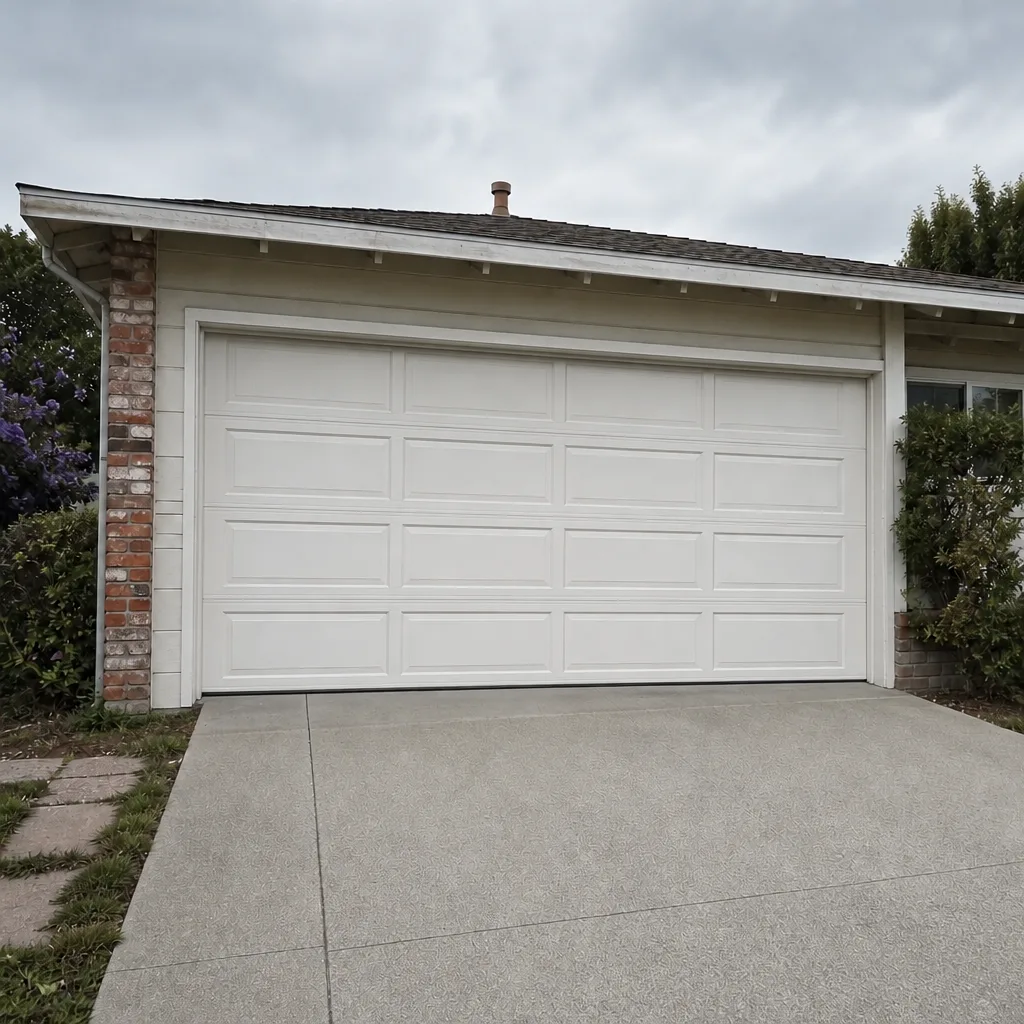 After
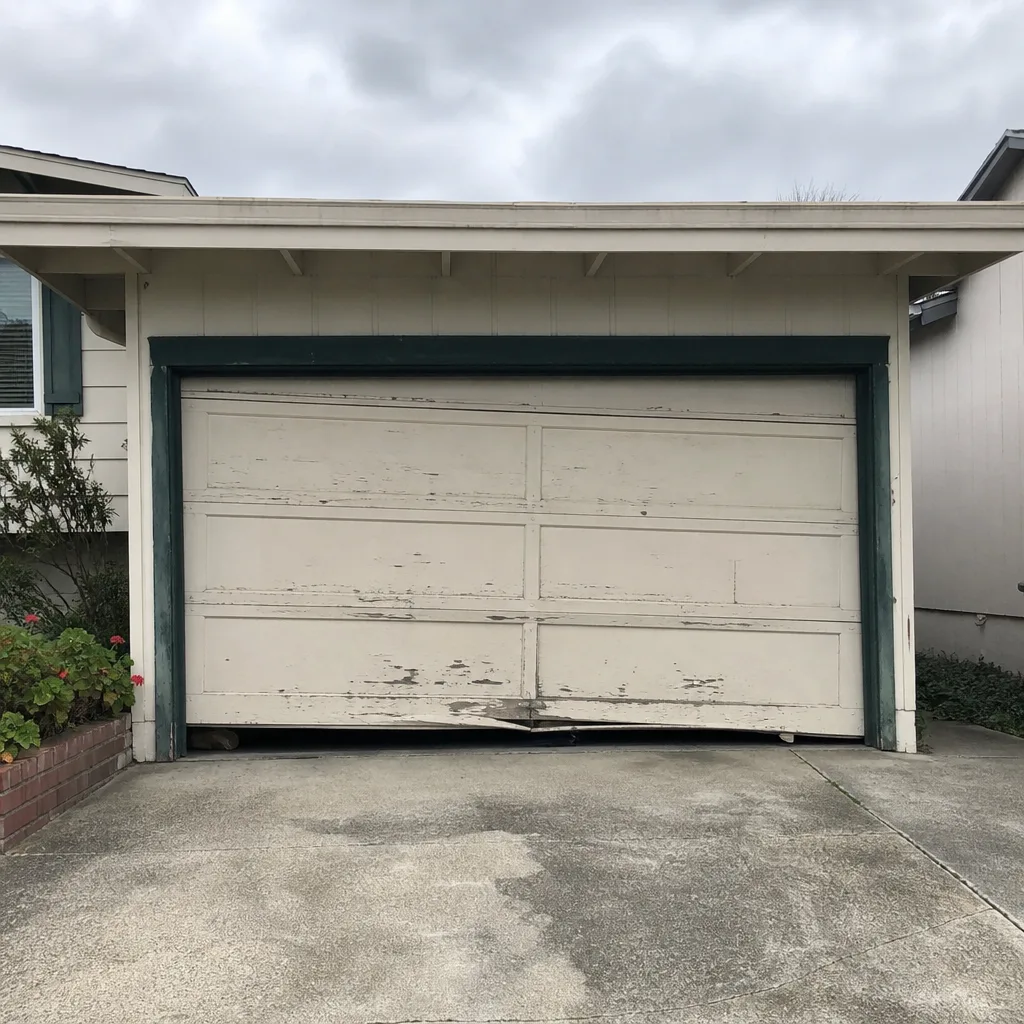 Before
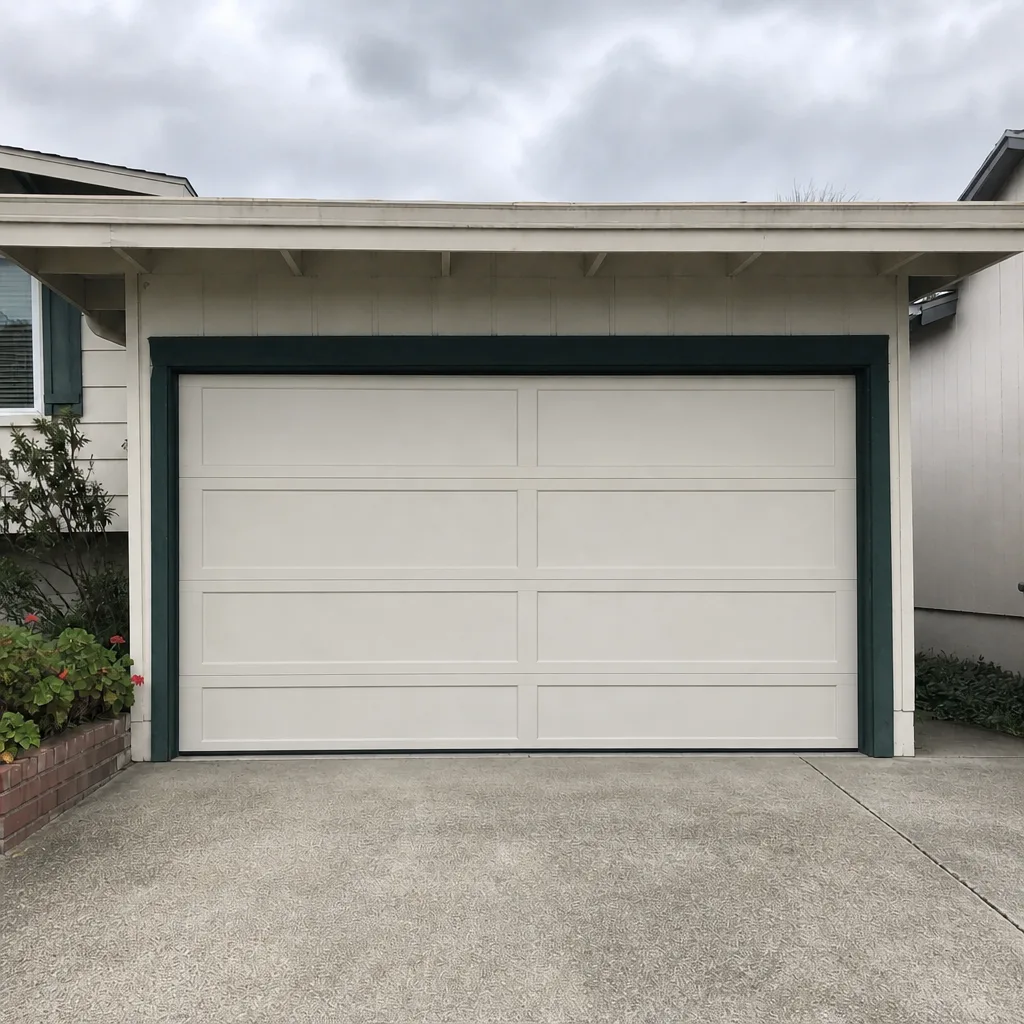 After
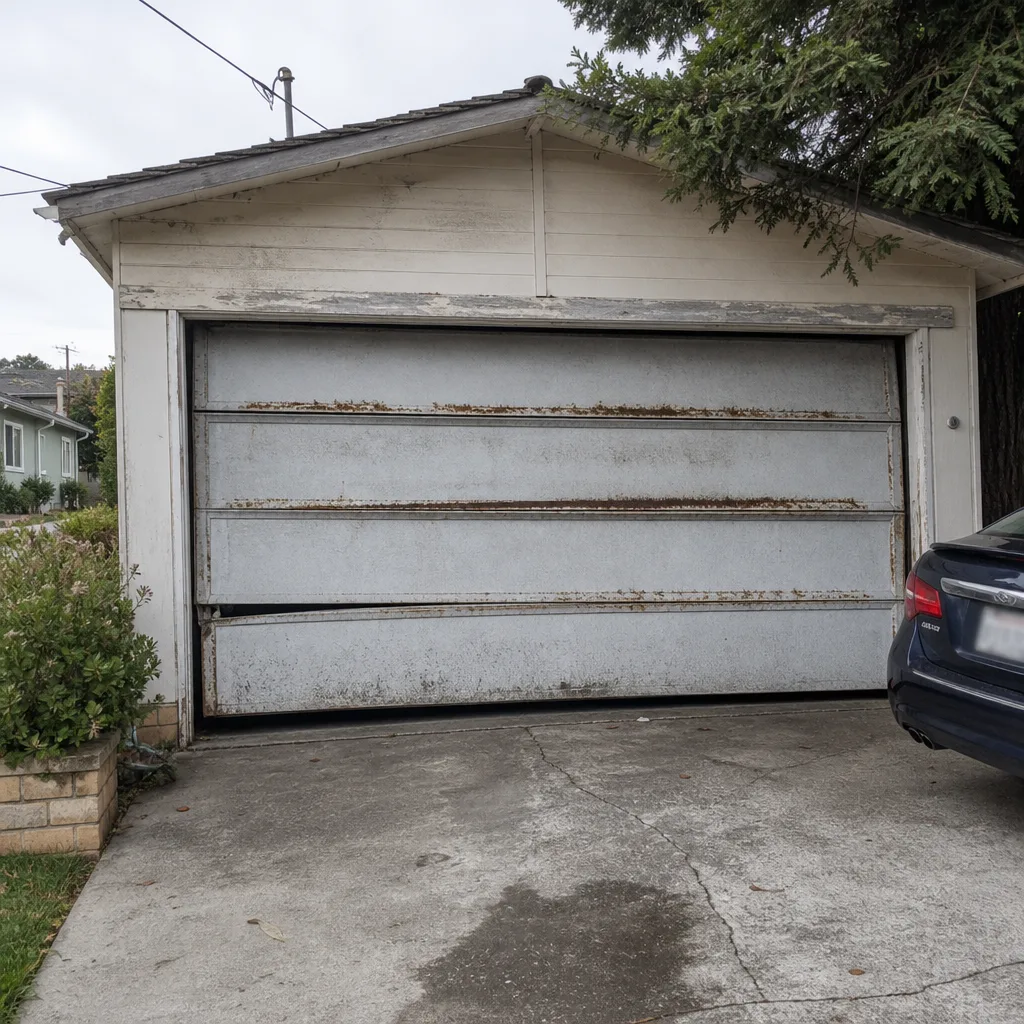 Before
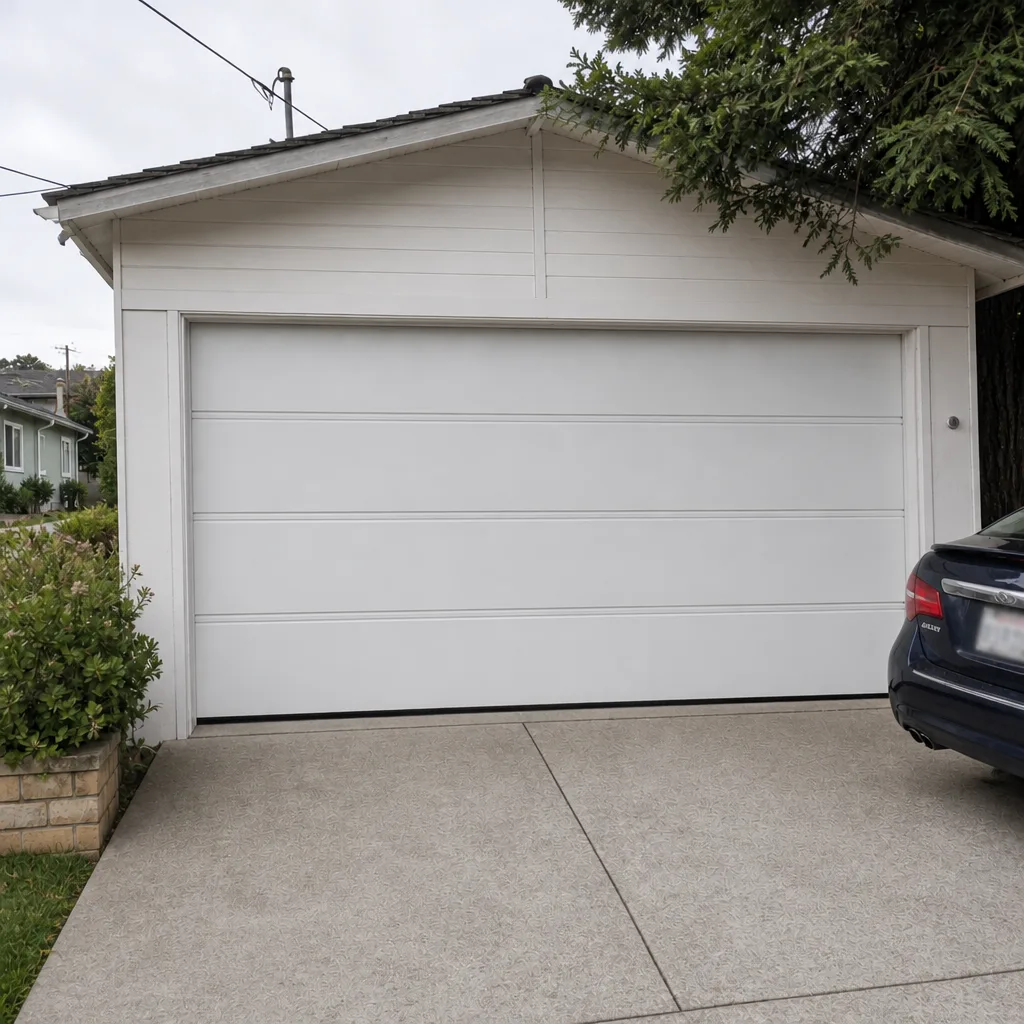 After